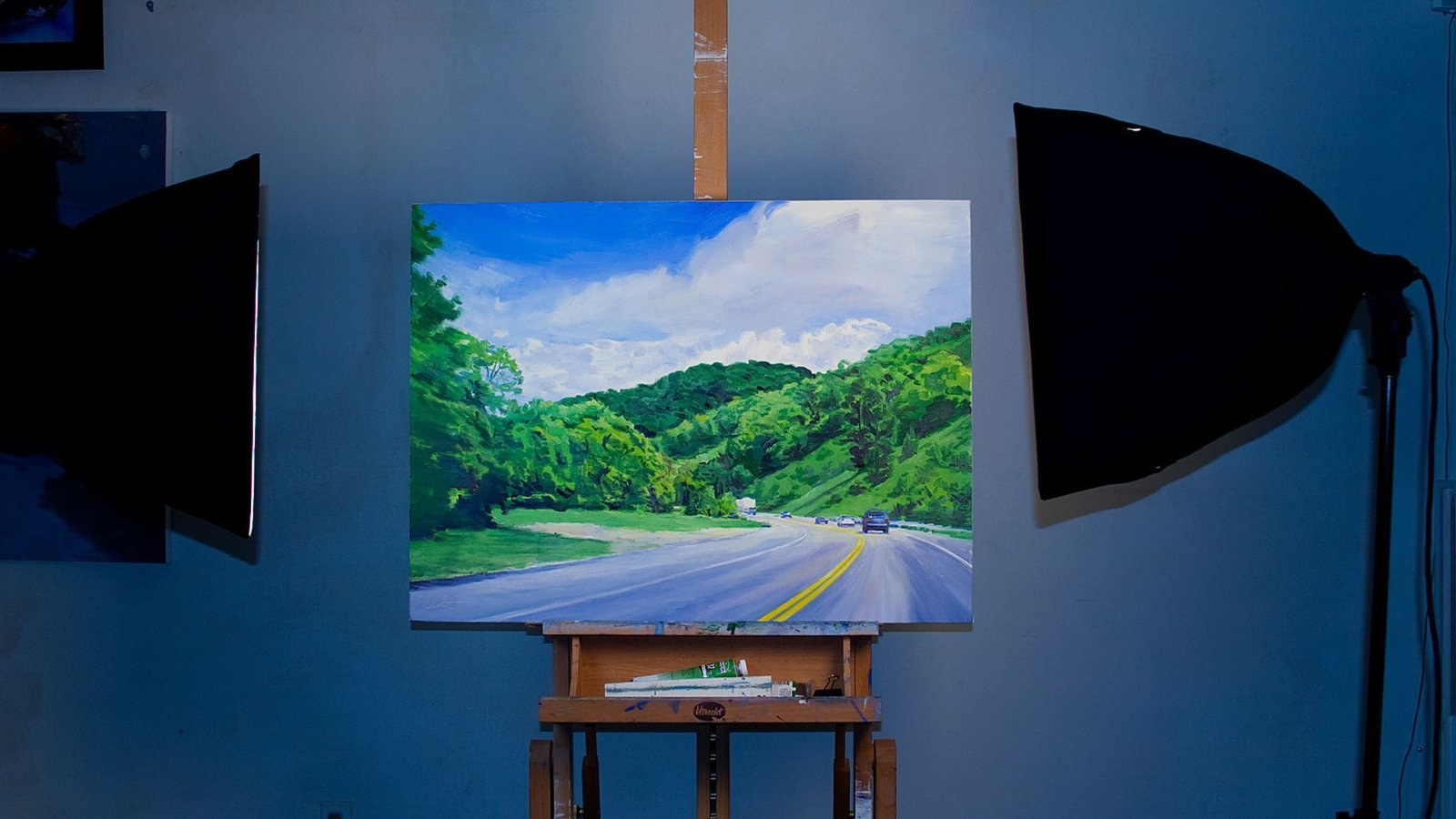
Selling your artwork online can open doors to a global audience, giving you the opportunity to turn your passion into profit. With the right strategies, you can showcase your talent and attract art buyers worldwide. Here’s a comprehensive guide to help you navigate the world of online art sales.
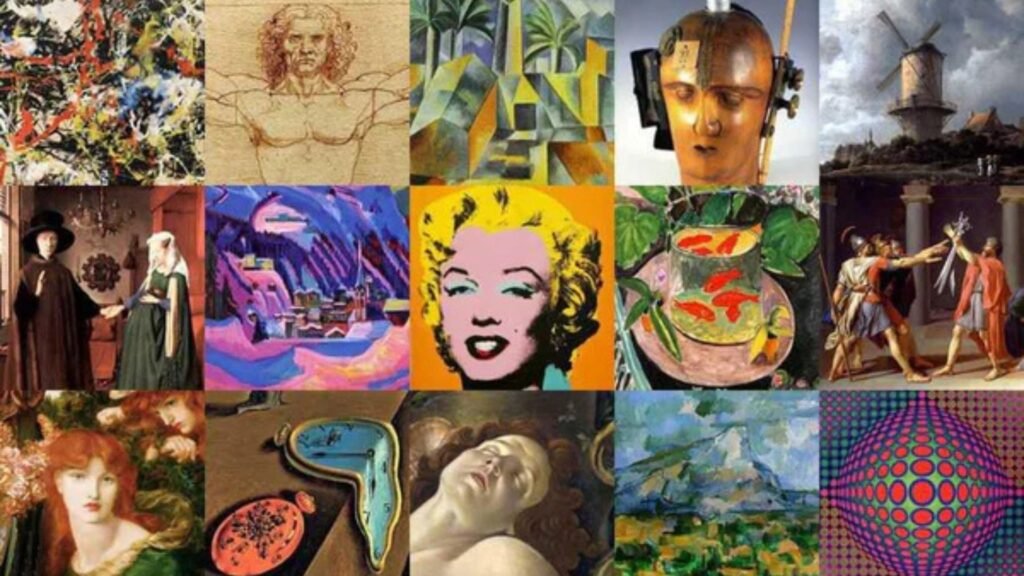
Exploring Different Art Styles and Movements
Create High-Quality Images of Your Artwork
1.1 Why Images Matter
Your artwork’s presentation online is key to attracting buyers. High-quality images convey professionalism and accurately represent your work.
1.2 Tips for Photography
Use natural lighting to capture true colors.
Avoid shadows and reflections.
Photograph your work against a clean, neutral background.
Include close-ups to highlight textures and details.
Choose the Right Online Platform
2.1 Dedicated Art Marketplaces
Websites like Etsy, Saatchi Art, and Artfinder are popular for artists to sell their work. They provide built-in audiences and tools for marketing.
2.2 Build Your Own Website
Creating your own website gives you full control over branding and sales. Use platforms like Squarespace or Wix to design a professional-looking site.
2.3 Social Media Platforms
Platforms like Instagram and Pinterest are great for visually showcasing your art. Pair your posts with a link to your shop or website.
Set Up an Online Store
3.1 Pricing Your Artwork
Research the Market: Check similar artists to understand pricing trends.
Consider Costs: Include material costs, time, and platform fees.
Offer a Range: Have both affordable and premium options to cater to different buyers.
3.2 Shipping Considerations
Use sturdy packaging to protect your artwork.
Offer tracking for peace of mind.
Research shipping options to provide competitive rates.
Optimize Your Online Presence
4.1 Use SEO Techniques
Keyword Optimization: Use terms like “original paintings for sale” or “custom digital art” in descriptions and titles.
Image Alt Text: Add descriptive text to your images for better search visibility.
4.2 Write Compelling Descriptions
Include details about:
The medium and materials used.
The inspiration behind the piece.
The size and framing options.
Promote Your Artwork
5.1 Leverage Social Media
Post consistently to engage your audience.
Share behind-the-scenes content like your creative process.
Collaborate with influencers or other artists for greater reach.
5.2 Email Marketing
Build an email list of potential buyers and fans. Send updates about:
New artwork releases.
Exclusive discounts.
Behind-the-scenes insights.
5.3 Participate in Online Communities
Join forums and groups dedicated to art. Share your work and interact with potential buyers.
Offer Customization and Commissions
Providing custom pieces or taking commissions can set you apart. Let customers request personalized artwork based on their preferences.
Build Trust with Buyers
7.1 Showcase Reviews and Testimonials
Positive reviews build credibility and encourage new buyers to purchase from you.
7.2 Offer Secure Payment Options
Use trusted payment processors like PayPal, Stripe, or Shopify Payments.
Stay Consistent and Adapt
Selling artwork online requires patience and consistency. Track your progress and adapt your strategies based on what works best for you.
Conclusion
Selling your artwork online is an exciting way to share your creativity with the world. By choosing the right platform, presenting your work professionally, and promoting it effectively, you can turn your passion into a thriving business. Start small, stay consistent, and watch your art reach buyers across the globe.
Art movements have shaped the landscape of art history, challenging perceptions, pushing boundaries, and redefining what art can be. From the realism of the Renaissance to the abstract expressionism of the 20th century, each movement has left a lasting mark on both the art world and society at large. In this blog post, we’ll explore some of the most influential art movements throughout history and how their legacies continue to influence contemporary art today.
1. The Renaissance: Rebirth of Classical Ideals
The Renaissance, which began in the 14th century, was a period of revival for classical Greek and Roman art and philosophy. Artists like Leonardo da Vinci, Michelangelo, and Raphael brought realism, perspective, and human emotion to the forefront of their work. The movement’s emphasis on humanism, naturalism, and the celebration of the human form laid the groundwork for modern Western art.
Influence Today
The Renaissance’s influence is still evident in today’s art, especially in the focus on realism, perspective, and the exploration of human emotions. Artists continue to draw inspiration from Renaissance techniques, using light, shadow, and anatomy to create lifelike representations. The Renaissance also helped shape the concept of the “artist as genius,” a notion that remains central in today’s understanding of artistic expression.
2. Impressionism: Breaking Away from Tradition
In the late 19th century, artists like Claude Monet, Edgar Degas, and Pierre-Auguste Renoir rejected the rigid academic standards of art. Instead, they sought to capture the fleeting effects of light and color, often painting outdoors to observe the world in its natural state. The movement’s use of broken brushstrokes and an emphasis on the transient nature of everyday life revolutionized art.
Influence Today
Impressionism’s emphasis on light and color continues to inspire modern artists, especially in the realm of plein air painting and photography. Many contemporary artists still experiment with loose brushwork and an impressionistic approach to capturing natural scenes. The movement also paved the way for abstract art by demonstrating that representation could be more about the mood and atmosphere rather than precise detail.
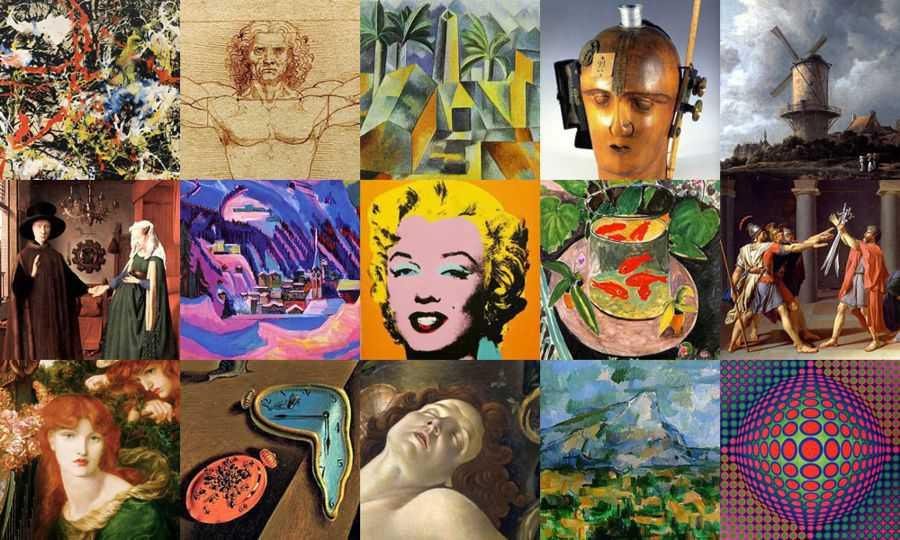
Exploring Famous Art Movements and Their Influence Today
3. Cubism: Redefining Perspective
Pioneered by Pablo Picasso and Georges Braque in the early 20th century, Cubism broke away from traditional perspectives by depicting subjects from multiple angles at once. This fragmented approach challenged conventional views of reality and paved the way for abstract art. Artists like Juan Gris and Fernand Léger further developed the movement, using geometric forms and a limited color palette to convey depth and dimension.
Influence Today
Cubism’s influence is still prominent in contemporary abstract art and design. Its focus on geometry and fragmented imagery can be seen in modern architecture, graphic design, and digital art. The movement encouraged artists to see beyond the literal representation of subjects, opening the door for experimentation in style and form that continues to inspire artists today.
4. Surrealism: Exploring the Unconscious Mind
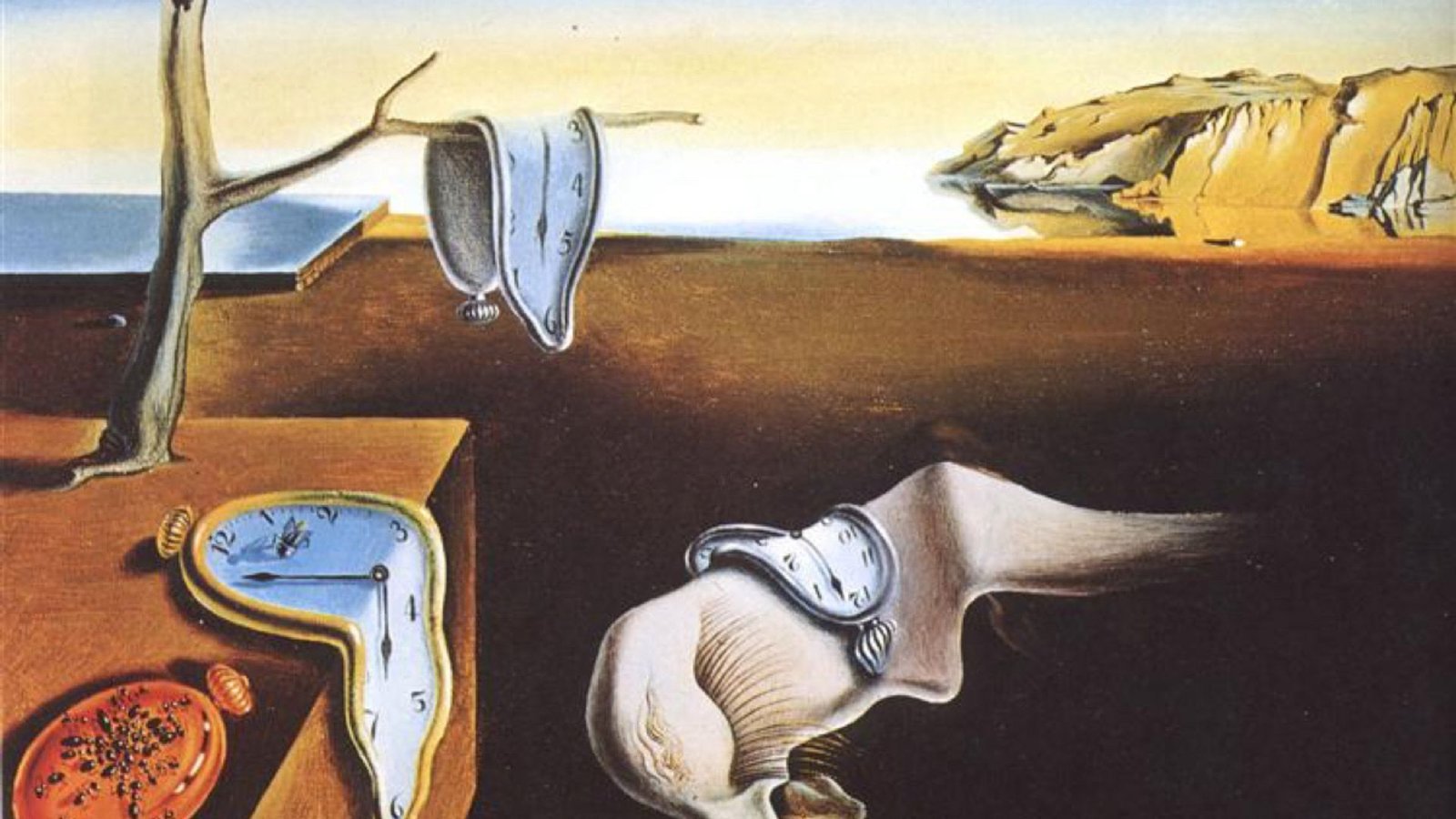
In the 1920s, Surrealism emerged as a reaction against rationalism and conventional art. Led by figures like Salvador Dalí, René Magritte, and André Breton, Surrealists sought to explore the unconscious mind, dreams, and the irrational aspects of human existence. Their work often featured bizarre and fantastical imagery, creating dream-like landscapes and strange juxtapositions that challenged the viewer’s perception of reality.
Influence Today
The Surrealist emphasis on dream logic and the subconscious is evident in contemporary art, especially in the work of modern conceptual artists and filmmakers. Surrealism has influenced fashion, advertising, and even pop culture, with elements of the movement’s style appearing in music videos, movies, and contemporary design. The exploration of the unconscious mind remains a key theme in both visual art and literature.
5. Abstract Expressionism: Emotions Through Color and Form
Abstract Expressionism, which flourished in the mid-20th century, focused on conveying emotional intensity and individuality through abstract forms and vibrant color. Artists like Jackson Pollock, Mark Rothko, and Willem de Kooning used spontaneous, gestural brushwork and unconventional techniques to express their inner emotions. The movement emphasized the process of creation itself, as well as the artist’s personal experience.
Influence Today
Abstract Expressionism laid the groundwork for modern art by pushing the boundaries of what could be considered art. Today, artists continue to explore non-representational forms, using color and texture to evoke emotion. The movement’s emphasis on personal expression and the act of creation continues to inspire contemporary artists, particularly in the realm of performance art, installation art, and experimental painting.
6. Pop Art: Bridging Fine Art and Consumer Culture
Pop Art emerged in the 1950s as a reaction against the seriousness of Abstract Expressionism. Artists like Andy Warhol, Roy Lichtenstein, and Richard Hamilton used imagery from popular culture, including advertisements, comic strips, and mass-produced products. Pop Art blurred the boundaries between fine art and commercial culture, embracing the aesthetic of consumerism.
Influence Today
Pop Art’s legacy can be seen in the works of contemporary artists who use consumer culture and media to comment on social issues. The movement’s playful approach to mass production and celebrity culture has influenced design, fashion, and advertising. Pop Art also paved the way for modern digital art and multimedia work, where the lines between high art and popular culture continue to merge.
7. Minimalism: Art in Its Simplest Form
Minimalism emerged in the 1960s as a response to the emotional intensity of Abstract Expressionism. Artists like Donald Judd, Dan Flavin, and Frank Stella stripped art down to its basic forms, using geometric shapes, industrial materials, and simple color palettes. Minimalism sought to remove personal expression and instead focused on the object itself.
Influence Today
Minimalism continues to influence contemporary art, architecture, and design. The emphasis on simplicity, clean lines, and functional form can be seen in modern interior design, graphic design, and even fashion. The minimalist philosophy of “less is more” has permeated various creative fields, encouraging a return to simplicity and efficiency.
Conclusion: The Lasting Legacy of Art Movements
The impact of these famous art movements continues to shape the way we understand and appreciate art today. From the Renaissance’s focus on humanism to the experimental nature of modern movements like Minimalism and Pop Art, each movement has contributed to the evolution of artistic expression. As contemporary artists continue to explore new mediums and ideas, the influence of these movements remains a vital part of the ongoing conversation about art and culture. By understanding their history and legacy, we gain a deeper appreciation for the dynamic world of modern art.
Art has been a cornerstone of human expression for centuries, evolving through various styles and movements that reflect the cultural, political, and emotional landscapes of their time. Understanding these styles helps deepen our appreciation for art and the stories it tells. Let’s dive into the most significant art styles and movements and explore what makes them unique.
Exploring Different Art Styles and Movements
What Are Art Styles and Movements?
Art styles refer to distinctive techniques or approaches artists use to create their work, while movements represent a collective response to cultural or societal influences during specific periods. Together, they shape the evolution of art.
Why Explore Different Art Styles?
Expand Your Knowledge: Learn about the history and context behind famous works.
Find Inspiration: Discover which styles resonate with you the most.
Understand Art’s Evolution: Trace how art reflects changes in society and culture.
Classical and Traditional Art Styles
1. Renaissance (14th–17th Century)
Key Features: Focus on realism, perspective, and human emotion.
Notable Artists: Leonardo da Vinci, Michelangelo, Raphael.
Famous Works:Mona Lisa by Leonardo da Vinci, The Creation of Adam by Michelangelo.
The Renaissance was a rebirth of classical knowledge and art techniques, emphasizing harmony and balance.
2. Baroque (17th–18th Century)
Key Features: Dramatic lighting, intense emotion, and grandeur.
Notable Artists: Caravaggio, Rembrandt, Peter Paul Rubens.
Famous Works:The Night Watch by Rembrandt, Judith Beheading Holofernes by Caravaggio.
Baroque art captures movement and energy, often used in religious and royal contexts.
Modern Art Movements
3. Impressionism (Late 19th Century)
Key Features: Loose brushwork, focus on light and color, everyday scenes.
Notable Artists: Claude Monet, Edgar Degas, Pierre-Auguste Renoir.
Famous Works:Impression, Sunrise by Claude Monet, The Dance Class by Degas.
Impressionists broke from tradition, painting scenes as they appeared in the moment.
Famous Works:Les Demoiselles d’Avignon by Picasso, Violin and Candlestick by Braque.
Cubism challenged conventional notions of perspective, influencing modern design.
Contemporary Art Movements
5. Abstract Expressionism (Mid-20th Century)
Key Features: Spontaneity, emotional intensity, and abstraction.
Notable Artists: Jackson Pollock, Mark Rothko, Willem de Kooning.
Famous Works:Number 1A by Pollock, Orange and Yellow by Rothko.
This movement emphasized personal expression through non-traditional forms.
6. Pop Art (1950s–1970s)
Key Features: Bold colors, commercial imagery, and cultural commentary.
Notable Artists: Andy Warhol, Roy Lichtenstein.
Famous Works:Marilyn Diptych by Warhol, Whaam! by Lichtenstein.
Pop Art celebrated and critiqued consumer culture using recognizable imagery.
Global Art Styles
7. Asian Art
Key Features: Intricate details, symbolism, and natural themes.
Styles: Japanese Ukiyo-e, Chinese Ink Wash, Indian Miniatures.
Notable Artists: Katsushika Hokusai (The Great Wave off Kanagawa), Zhang Daqian.
Asian art emphasizes harmony with nature and spiritual elements.
8. African Art
Key Features: Bold colors, geometric patterns, and storytelling.
Mediums: Sculpture, textiles, masks.
African art often reflects cultural traditions, rituals, and community values.
Emerging Art Trends
9. Digital Art
Key Features: Created using software and digital tools.
Forms: 3D modeling, NFT art, video installations.
Digital art is reshaping how we create and consume visual media.
10. Street Art
Key Features: Public murals, graffiti, and urban themes.
Notable Artists: Banksy, Shepard Fairey.
Street art transforms everyday spaces into vibrant canvases, often with social messages.
How to Identify Your Favorite Art Style
1. Visit Galleries and Museums
Explore different styles in person to see what resonates.
2. Research and Experiment
Dive into books, online resources, and documentaries.
3. Try Creating Art
Experiment with various techniques to better understand each style.
Conclusion
Exploring different art styles and movements opens a window into the past and future of human creativity. From the precision of Renaissance masterpieces to the innovation of digital art, each style offers something unique. Whether you’re an art enthusiast or a budding collector, understanding these movements enriches your appreciation and deepens your connection to the world of art.
Creating a personal art collection is an exciting way to express your taste and style. Whether you’re an experienced collector or a beginner, curating your own collection involves careful thought and intentional choices. This guide will help you navigate the process, offering practical steps and tips to start and grow a meaningful collection.
How to Curate Your Own Art Collection
Why Curate Your Own Art Collection?
1. Express Your Unique Style
Collecting art allows you to showcase your personality and preferences through the pieces you choose.
2. Create a Legacy
An art collection can be a lasting legacy, something to pass on to future generations or even donate to a museum.
3. Support Artists and Communities
Buying art supports artists and contributes to the cultural ecosystem.
Step 1: Define Your Vision
What Inspires You?
Think about the themes, styles, or mediums that resonate with you. Inspiration can come from:
Nature
History
Abstract forms
Cultural heritage
Set Goals for Your Collection
Decide what you want to achieve with your collection:
Decorative purposes
Investment value
Emotional connection
Step 2: Research and Learn
1. Study Art Movements and Styles
Understanding art movements like Impressionism, Modernism, or Contemporary Art can guide your preferences.
2. Visit Galleries and Museums
Explore local galleries, museums, and art fairs to get a sense of what appeals to you.
3. Learn from Experts
Read books, attend lectures, or follow art critics to deepen your knowledge.
Step 3: Set a Budget
How Much Should You Spend?
Art doesn’t have to be expensive to be meaningful. Start with a budget you’re comfortable with, whether it’s $100 or $10,000.
Tips for Budgeting:
Allocate funds for framing and maintenance.
Consider emerging artists for affordable yet unique pieces.
Look for prints or limited editions if originals are out of reach.
Step 4: Begin Your Search
1. Explore Diverse Sources
Art Galleries: Great for discovering curated pieces.
Online Platforms: Websites like Artsy or Saatchi Art offer a vast selection.
Local Markets: Find hidden gems at art fairs or flea markets.
2. Build Relationships
Connect with artists, gallery owners, and curators to learn more about the stories behind the art.
Step 5: Evaluate and Select Pieces
What to Look For in Art:
Emotional Resonance: Does the piece speak to you?
Quality and Technique: Assess the craftsmanship and medium.
Authenticity: Ensure the work is genuine, especially for high-value items.
Ask Questions:
What inspired the artist?
What is the story behind the piece?
Is it a one-of-a-kind work or part of a series?
Step 6: Display Your Collection
1. Choose the Right Space
Ensure adequate lighting to highlight the art.
Avoid direct sunlight to prevent fading.
2. Frame and Protect Your Art
Invest in quality framing and protective measures, especially for fragile or valuable pieces.
3. Create Visual Flow
Arrange pieces by theme, color, or size to create harmony.
Step 7: Maintain and Grow Your Collection
Care for Your Artwork:
Regularly clean and inspect pieces for damage.
Store unused art in a climate-controlled environment.
Expand Thoughtfully:
Add new pieces that align with your evolving taste.
Diversify your collection by exploring different mediums, such as sculpture, photography, or digital art.
Pro Tips for Aspiring Collectors
Start Small: Begin with a few pieces that you love, then expand gradually.
Trust Your Instincts: Choose art that resonates with you, even if it’s unconventional.
Document Your Collection: Keep records of purchase details, artist information, and appraisals.
Stay Curious: Continue learning about art and artists to refine your collection.
Conclusion
Curating your own art collection is a deeply personal and enriching journey. By defining your vision, educating yourself, and making thoughtful choices, you can build a collection that brings joy and meaning to your life. Whether you’re drawn to paintings, sculptures, or digital creations, each piece will reflect your unique story.
The digital era has reshaped many industries, and the art world is no exception. With the advent of digital art platforms, emerging artists now have unprecedented access to global audiences, sales opportunities, and recognition. These platforms have become essential for artists looking to expand their careers and connect with art lovers around the world. But what exactly are digital art platforms, and how are they changing the landscape for new and emerging artists?
What Are Digital Art Platforms?
Digital art platforms are online marketplaces or galleries where artists can showcase, sell, and promote their artwork to a global audience. These platforms often provide a range of services, from hosting digital art portfolios to offering secure payment processing for artwork sales. Many platforms also provide artists with tools to connect with potential buyers, collectors, and other artists, fostering a sense of community.
Unlike traditional galleries, which may have limited space and a localized audience, digital art platforms can display works from artists across the globe, making it easier for art lovers and collectors to discover new talent. Artists, in turn, can use these platforms to reach an audience that would have been previously inaccessible.
How Digital Art Platforms Benefit Emerging Artists
1. Increased Exposure and Reach
One of the most significant advantages of digital art platforms is the exposure they provide. Artists can upload their work to a global audience, bypassing the need for gallery representation or physical exhibitions. Whether it’s a digital painting, 3D rendering, or graphic design, artists can showcase their work to people worldwide.
The ability to reach a wider audience gives emerging artists the chance to build a fan base, receive feedback, and attract potential buyers from markets that were once out of reach.
2. Lower Barriers to Entry
Traditional art galleries can be difficult for new artists to break into. Physical gallery spaces often require a significant investment and might not offer the same opportunities for newcomers. Digital art platforms eliminate these barriers by providing an accessible, affordable space for artists to display their work. With many platforms offering free or low-cost membership options, artists can upload their work without incurring the high costs typically associated with gallery representation.
3. Opportunities for Sales and Monetization
Many digital art platforms offer built-in ecommerce features, allowing artists to sell their work directly to buyers. This opens up new revenue streams for artists, especially those who may not have the resources or connections to sell through traditional channels. Some platforms even offer features like print-on-demand services, which let artists monetize their digital creations by selling prints, merchandise, or licensing their art.
Top Digital Art Platforms for Emerging Artists
Several digital art platforms have gained popularity and provide emerging artists with valuable resources. Here are a few to consider:
1. Behance
Behance, a platform owned by Adobe, is a popular site where artists, designers, photographers, and other creatives can showcase their portfolios. It offers a range of tools for building an online presence, from customizable portfolios to networking features that allow artists to connect with potential clients and collaborators.
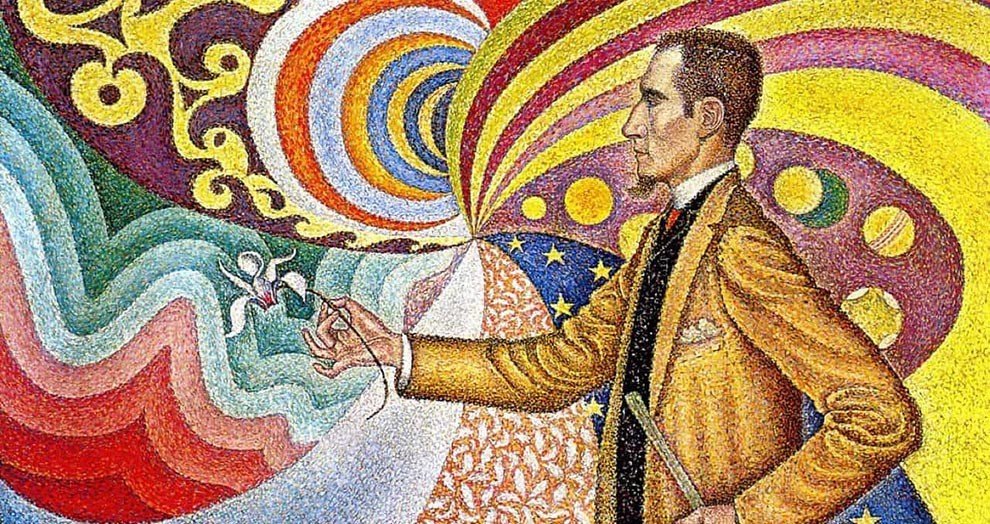
The Rise of Digital Art Platforms for Emerging Artists
2. ArtStation
ArtStation is a platform tailored to digital artists, particularly those in the fields of game design, animation, and concept art. The platform allows artists to showcase their work, connect with industry professionals, and even sell digital downloads and prints.
3. Saatchi Art
Saatchi Art is an online art gallery that connects emerging artists with collectors. Artists can upload high-quality images of their artwork and have the opportunity to be featured in global exhibitions. Saatchi Art also offers a secure online payment system, making it easier for artists to manage sales.
4. DeviantArt
DeviantArt is one of the largest online communities for artists, offering a platform where users can share their work, get feedback, and sell prints. The community is especially popular among illustrators, digital painters, and fan artists, offering a social and interactive space for emerging talent.
The Future of Digital Art Platforms
As the world becomes increasingly digital, the future of art and creativity is intertwined with technology. Digital art platforms are likely to continue growing in both scale and diversity, offering more specialized services and features for artists. We may see even greater integration of augmented reality (AR) and virtual reality (VR) in the online art world, providing immersive experiences for collectors and artists alike.
Additionally, as blockchain technology continues to evolve, we may witness the rise of non-fungible tokens (NFTs), which are transforming the way digital art is bought and sold. NFTs offer artists a way to monetize their digital works while ensuring authenticity and ownership.
The growing trend of virtual exhibitions, online communities, and direct-to-collector sales will likely reshape the traditional gallery model. For emerging artists, this means more opportunities for creative expression, audience engagement, and career growth.
Conclusion
Digital art platforms have revolutionized the way emerging artists share their work, connect with audiences, and monetize their talent. These platforms offer new opportunities for visibility, financial success, and community building, making it easier than ever for artists to thrive in the global art market. As technology continues to evolve, the art world will undoubtedly become even more accessible, with digital platforms playing a central role in the growth of new and diverse artistic voices. Whether you’re an emerging artist looking to showcase your work or an art enthusiast seeking fresh talent, these platforms offer something exciting for everyone.
Limited edition art prints have grown in popularity in recent years, with collectors, art enthusiasts, and investors all seeking to acquire unique pieces. These prints, often produced in smaller quantities than open edition prints, hold significant value due to their rarity and exclusivity. But what exactly makes them so valuable, and how can you determine if a limited edition print is worth your investment? Let’s dive into the importance of limited edition art prints and why they hold such appeal.
What Are Limited Edition Art Prints?
Limited edition art prints are reproductions of an original work of art that are produced in a specific, finite quantity. Each print in the series is numbered, such as “5/100,” indicating that it is the fifth print in a limited series of 100 prints. The number of prints in each edition is predetermined by the artist or the printing studio, ensuring that only a set number will ever exist.
This scarcity is one of the primary factors that make limited edition prints highly sought after. Once the edition limit is reached, no more prints of that particular image will be produced, which increases the rarity and perceived value of each piece.
Why Limited Edition Prints Are Valuable
The value of a limited edition art print is largely determined by factors such as rarity, demand, and the artist’s reputation. Here’s a closer look at why these prints are considered valuable:
1. Rarity and Exclusivity
The limited nature of these prints means they are not mass-produced like open edition prints. As a result, they offer a level of exclusivity that appeals to collectors. Owning one of the few copies in existence adds a sense of prestige and uniqueness. The lower the number of prints in an edition, the more valuable it is likely to be, as fewer collectors will be able to own it.
2. Artist’s Reputation
The artist behind the print is another key factor in determining value. If the print is by a well-known or established artist, its value is likely to appreciate over time. The higher the demand for the artist’s work, the more likely it is that the prints will retain or increase in value. Prints by famous or highly regarded artists can fetch higher prices at auctions or in private sales.
Understanding the Value of Limited Edition Art Prints
3. Investment Potential
Many collectors view limited edition prints as an investment opportunity. Because of their rarity and the association with notable artists, these prints often increase in value as time passes. This makes them an attractive option for people looking to diversify their investment portfolios, especially those interested in art as an asset class. However, it’s important to note that not all limited edition prints will increase in value, and the art market can be unpredictable.
How to Assess the Value of a Limited Edition Print
When evaluating the potential value of a limited edition print, several factors should be considered:
1. Edition Size and Number
As mentioned earlier, the smaller the edition size, the more valuable the print is likely to be. If you’re purchasing a print, check its edition number and overall quantity. A print numbered “1/10” (the first of only ten prints) is likely to be worth more than one numbered “50/100” (the fiftieth print in a series of one hundred).
2. Condition of the Print
The condition of the print is crucial when determining its value. Prints should be well-preserved, free from damage such as creases, discoloration, or fading. Prints that are framed or stored properly are more likely to maintain their value.
3. Authenticity and Certification
Always ensure that the print comes with proper documentation, such as a certificate of authenticity. This certificate verifies that the print is part of the limited edition and confirms its authenticity. Additionally, an artist’s signature on the print can greatly enhance its value, as it directly links the print to the creator.
4. Artist’s Signature and Collaboration
Prints signed by the artist are generally more valuable than unsigned ones. Signed prints demonstrate that the artist took part in the production, adding to their rarity and prestige. In some cases, prints may be a collaborative effort between the artist and a master printer, further increasing their worth.
Collecting Limited Edition Prints: Tips for New Collectors
If you’re new to collecting limited edition art prints, here are some tips to help you get started:
1. Research the Artist
Before purchasing a print, research the artist’s background and previous works. Familiarize yourself with their artistic style, career trajectory, and how their work is perceived in the art world. The reputation of the artist will play a big role in the print’s future value.
2. Understand Market Trends
The art market can fluctuate, so it’s important to stay informed about trends and demand. Keep track of auctions, sales, and exhibitions to gain insights into the value of prints from different artists.
3. Buy from Trusted Sources
Purchase prints from reputable galleries, dealers, or auction houses to ensure authenticity. Be cautious of counterfeit or unauthorized reproductions, which can hurt the value of your collection.
4. Consider Your Personal Preferences
While the potential for financial gain is a key factor, don’t forget to buy art that speaks to you personally. Art collecting should bring joy and fulfillment, so choose prints that resonate with your tastes and style.
Conclusion
Limited edition art prints offer both aesthetic enjoyment and the potential for investment. Their rarity, coupled with the artist’s reputation and the authenticity of the print, makes them valuable to collectors and art enthusiasts. By understanding the factors that contribute to their value and taking steps to assess each print’s condition and provenance, you can make informed decisions when adding limited edition prints to your collection. Whether you are an art lover, an investor, or both, these prints provide a unique and lasting way to experience the world of art.
The world of art is constantly evolving, with new exhibitions showcasing both timeless masterpieces and cutting-edge contemporary works. Whether you’re a seasoned art collector or a casual admirer, 2025 promises a year filled with unmissable art exhibitions that celebrate creativity, history, and cultural expression. Here are some of the most famous and exciting art exhibitions to look forward to in 2025.
1. The Van Gogh Museum, Amsterdam: “Van Gogh in the Modern World”
This landmark exhibition at the Van Gogh Museum in Amsterdam will explore the profound influence of Vincent van Gogh on modern and contemporary art. Visitors will see how his innovative use of color, brushstroke, and emotional depth inspired some of the 20th century’s most influential artists. Featuring works from Van Gogh alongside pieces by artists like Picasso, Kandinsky, and Monet, this exhibition offers a fresh perspective on the artist’s legacy.
Location: Van Gogh Museum, Amsterdam
Dates: March 2025 – August 2025
2. The Louvre Museum, Paris: “Masterpieces of Ancient Egypt”
The Louvre Museum in Paris will host an extraordinary exhibition in 2025 showcasing the splendor of ancient Egypt. This exhibition will feature over 200 artifacts, including rare statues, mummies, and jewelry, offering a deep dive into one of the world’s most fascinating civilizations. The show will highlight the advances in art, culture, and science during the time of the Pharaohs, providing an immersive experience for visitors.
Location: The Louvre Museum, Paris
Dates: May 2025 – September 2025
3. The Tate Modern, London: “Contemporary Icons”
In 2025, the Tate Modern in London will present an exhibition titled “Contemporary Icons,” which will celebrate the works of some of today’s most influential living artists. This exhibition will feature immersive installations, large-scale sculptures, and thought-provoking multimedia works that challenge conventional ideas of art. The show will include pieces by international artists such as Banksy, Yayoi Kusama, and Ai Weiwei, offering a glimpse into the future of contemporary art.
Location: Tate Modern, London
Dates: February 2025 – July 2025
Famous Art Exhibitions to Visit in 2025
4. Museum of Modern Art (MoMA), New York: “The Evolution of American Art”
MoMA in New York will feature an extensive exhibition in 2025 that chronicles the evolution of American art from the 19th century to the present day. This show will span a wide array of artistic movements, from the Hudson River School to Abstract Expressionism, and will include works by renowned American artists like Georgia O’Keeffe, Andy Warhol, and Jackson Pollock. “The Evolution of American Art” promises to be a deep exploration of the nation’s artistic heritage.
Location: Museum of Modern Art (MoMA), New York
Dates: March 2025 – December 2025
5. The Guggenheim Museum, New York: “Futurism and Innovation in Art”
The Guggenheim Museum will present an exhibition focused on the intersection of art and technology in 2025. Titled “Futurism and Innovation in Art,” this show will highlight how artists are using new technologies—like artificial intelligence, virtual reality, and digital media—to create groundbreaking works. The exhibition will feature works by pioneers of digital art, alongside more traditional artists who are pushing the boundaries of creativity.
Location: The Guggenheim Museum, New York
Dates: June 2025 – November 2025
6. The National Gallery, London: “The Renaissance Rediscovered”
In 2025, The National Gallery in London will host an incredible exhibition dedicated to the art of the Renaissance. “The Renaissance Rediscovered” will showcase masterpieces from key artists of the period, such as Leonardo da Vinci, Michelangelo, and Raphael. The exhibition will also explore the cultural and historical context of the time, offering an in-depth look at the transformative era that shaped Western art.
Location: The National Gallery, London
Dates: January 2025 – May 2025
7. Venice Biennale, Italy: “Art and the Environment”
Every two years, the Venice Biennale draws artists, collectors, and art enthusiasts from all over the world. In 2025, the theme for the Biennale will focus on “Art and the Environment,” exploring the relationship between art, climate change, and sustainability. This exhibition will feature works by artists who are addressing environmental issues through innovative installations, sculptures, and multimedia works. It promises to be a thought-provoking and timely show in the heart of Venice.
Location: Venice, Italy
Dates: May 2025 – November 2025
8. Art Basel, Miami Beach: “Global Art Trends”
Art Basel’s Miami Beach edition is one of the largest and most influential contemporary art fairs in the world. In 2025, Art Basel will feature the latest global art trends, with works from cutting-edge galleries, emerging artists, and established names in contemporary art. Expect to see a vibrant mix of paintings, sculptures, installations, and digital works, providing a snapshot of the contemporary art landscape.
Location: Art Basel, Miami Beach
Dates: December 2025
9. The Getty Museum, Los Angeles: “Impressionism and Beyond”
The Getty Museum will present an exciting exhibition that takes a deep dive into the world of Impressionism in 2025. Featuring works by Claude Monet, Edgar Degas, and Pierre-Auguste Renoir, this show will explore how the movement revolutionized the art world. Additionally, the exhibition will showcase the artists who followed in the footsteps of the Impressionists, demonstrating how the movement influenced modern art.
Location: The Getty Museum, Los Angeles
Dates: April 2025 – October 2025
10. The Rijksmuseum, Amsterdam: “Dutch Masters Reimagined”
The Rijksmuseum in Amsterdam will present a stunning exhibition that reinterprets the works of Dutch Masters like Rembrandt, Vermeer, and Frans Hals. “Dutch Masters Reimagined” will feature both the original masterpieces and contemporary artworks inspired by these iconic pieces. Visitors will see how the legacy of the Dutch Golden Age continues to inspire modern artists today.
Location: The Rijksmuseum, Amsterdam
Dates: July 2025 – December 2025
Conclusion: The Year of Art
2025 promises to be an exciting year for art lovers around the world. With exhibitions that span centuries of art history and innovative contemporary works, these famous art shows offer something for everyone. Whether you’re exploring the history of the Renaissance, delving into environmental themes, or experiencing the cutting edge of digital art, 2025’s exhibitions will undoubtedly inspire and engage visitors from all over the globe.
In today’s digital age, marketing your art online is essential for reaching a larger audience and increasing sales. Whether you’re an emerging artist or have been creating for years, knowing how to market your art online can help you grow your business and gain recognition. Here’s a simple guide on how to market your art online effectively in 2025.
How To Market Your Art Online Effectively
1. Build a Professional Website
A well-designed website is the foundation of your online presence. It’s where potential buyers can learn more about you and view your portfolio. Creating a professional website allows you to showcase your work, provide contact details, and even sell art directly.
Why is it important?
Credibility: A professional website establishes you as a serious artist.
Control: You have complete control over your content and sales.
24/7 Access: Your website acts as a digital gallery that is always available to potential buyers.
Make sure your website is easy to navigate, mobile-friendly, and includes clear calls to action (e.g., “Buy Now” or “Contact Me”).
2. Leverage Social Media Platforms
Social media is one of the most powerful tools for marketing your art online. Platforms like Instagram, Facebook, TikTok, and Pinterest are visual-centric and perfect for showcasing your work to a wide audience.
Why is it important?
Reach: Social media allows you to connect with art lovers globally.
Engagement: You can engage directly with your followers by posting behind-the-scenes content, works-in-progress, or personal stories.
Hashtags: Using the right hashtags can help your art get discovered by new audiences.
Post regularly, interact with your followers, and use the platform’s features like Instagram Stories or Facebook Live to engage with potential buyers. Also, collaborate with influencers or other artists to expand your reach.
3. Create a Strong Brand Identity
A clear and consistent brand identity helps you stand out in a crowded art market. Your brand includes your art style, the message you convey, and how you communicate with your audience. It’s important to make sure your brand is reflected across your website, social media profiles, and even the way you present your artwork.
Why is it important?
Consistency: A strong brand makes you recognizable and memorable.
Attraction: It helps you attract the right audience who resonate with your art.
Trust: People are more likely to buy from artists who have a strong, authentic brand identity.
Develop a unique visual style and voice that reflects your art, and make sure to keep it consistent in all your marketing materials.
4. Use Online Marketplaces
Selling your art on popular online marketplaces like Etsy, Saatchi Art, or Redbubble can give you exposure to a broader audience. These platforms have a built-in customer base, and many are actively searching for new art to purchase.
Why is it important?
Exposure: You can tap into a wider audience who may not have discovered you otherwise.
Ease: Marketplaces provide a user-friendly setup for selling art and handling payments.
Trust: These platforms often have established reputations, which can give buyers confidence in purchasing your art.
Make sure to optimize your listings with great photos, detailed descriptions, and accurate pricing. Be sure to follow the marketplace’s guidelines for best results.
5. Optimize Your Online Content with SEO
Search Engine Optimization (SEO) is the process of optimizing your website and online content to rank higher in search engine results. By using the right keywords and optimizing your content, your website or art can be found more easily by people searching for art online.
Why is it important?
Visibility: Good SEO practices can drive more organic traffic to your website.
Targeting: You can attract the right audience who are actively searching for art like yours.
Long-Term Results: SEO has long-term benefits that continue to bring in traffic without ongoing costs.
Use relevant keywords in your website content, blog posts, and social media profiles. For example, if you create abstract paintings, include terms like “abstract art,” “contemporary paintings,” or “modern art.”
6. Offer Limited Editions or Special Offers
Creating a sense of exclusivity can encourage potential buyers to act quickly. Offering limited edition prints or special discounts can make your art more desirable.
Why is it important?
Urgency: Limited editions can encourage collectors to purchase before they miss out.
Value: Offering special offers or discounts can attract new buyers who might be hesitant about pricing.
Exclusivity: It adds a sense of exclusivity to your art, making it feel more special.
Promote these offers via your website and social media, and make sure to highlight any special deals in your email marketing campaigns.
7. Connect with Art Communities
Joining online art communities and forums can help you gain exposure and connect with potential customers. Platforms like DeviantArt, ArtStation, or Reddit have active communities of artists and art buyers. Engaging with these groups can help you grow your network and increase your visibility.
Why is it important?
Networking: You can meet other artists and industry professionals who may help promote your work.
Support: Art communities offer valuable feedback and support to help you improve your craft.
Collaboration: Collaborating with other artists or participating in challenges can help increase your visibility.
Join discussions, participate in challenges, and share your art with the community to build relationships that benefit your marketing efforts.
8. Build an Email List
Email marketing is one of the most effective ways to reach your audience directly. Building an email list allows you to keep your fans updated on new releases, upcoming exhibitions, and special offers.
Why is it important?
Direct Access: Emails go straight to your audience’s inbox, making it a powerful tool for communication.
Personalized Content: You can send personalized offers or content to specific segments of your audience.
Engagement: Regular emails can keep your audience engaged and remind them to check out your latest work.
Offer a freebie (such as a downloadable art print or exclusive content) in exchange for email sign-ups. Then, send regular updates that provide value to your subscribers, not just promotional content.
9. Collaborate with Influencers or Bloggers
Collaborating with influencers or bloggers can help you reach new audiences. Many influencers or bloggers specialize in art and culture, and they can help promote your work to their followers.
Why is it important?
New Audience: Influencers bring exposure to new groups of potential buyers.
Credibility: Being featured by a trusted influencer or blogger can help you build credibility and trust.
Engagement: Influencers and bloggers can help generate conversations around your art.
Reach out to influencers who align with your art style and values, and offer to collaborate on posts, giveaways, or even live streams.
10. Utilize Paid Advertising
While organic methods are important, paid advertising can give your art the extra push it needs to gain visibility. Platforms like Instagram, Facebook, and Google Ads allow you to target specific demographics, ensuring your ads reach the people who are most likely to buy your art.
Why is it important?
Targeted Reach: You can target specific audiences based on their interests, location, and online behavior.
Increased Traffic: Paid ads can drive more visitors to your website and art listings.
Start with a small budget and experiment with different ads to see which ones work best for your art. Track the results and adjust your strategy as needed.
Conclusion
Marketing your art online is an ongoing process that requires time, effort, and strategy. By building a professional website, leveraging social media, and utilizing platforms like email marketing and online marketplaces, you can increase your reach and attract more buyers. Remember to stay consistent, be creative, and adapt to new marketing trends in 2025 to ensure your art gets the exposure it deserves.
The world of art offers countless career opportunities for those passionate about creativity. Whether you’re interested in painting, design, or technology, there are many exciting art careers you can pursue. In 2025, the possibilities are growing as the art world continues to evolve, with new technologies and industries expanding the scope of creative professions. Let’s explore some of the best art careers you can pursue today!
Art Careers You Can Pursue
1. Graphic Designer
Graphic design is one of the most popular art careers in today’s digital world. Graphic designers create visual concepts using software to communicate ideas that inspire, inform, or captivate an audience. From creating logos to designing websites and social media content, this career allows for endless creative possibilities.
Why Pursue This Career?
Versatile Opportunities: Graphic designers work in a variety of industries, including advertising, fashion, technology, and more.
Growing Demand: As businesses increasingly rely on digital marketing, the need for skilled graphic designers continues to grow.
Creative Freedom: You can work in many different styles, from minimalist to bold and colorful designs.
If you have a passion for visual art and enjoy working with technology, graphic design is an ideal career to pursue in 2025.
2. Art Therapist
Art therapy combines the power of art with psychology to help individuals express their emotions and cope with mental health issues. Art therapists guide patients through creative activities, allowing them to explore their feelings through visual art.
Why Pursue This Career?
Helping Others: Art therapy is a rewarding career where you make a direct impact on people’s well-being.
Growing Field: The demand for mental health professionals, including art therapists, is on the rise.
Creative Healing: You get to combine your artistic skills with a deep sense of empathy and compassion.
Art therapy is perfect for those who want to combine their passion for art with a desire to help others. It’s a fulfilling career that promotes emotional healing and mental health.
3. Animator
Animation is a booming industry, and animators are in high demand to create animated films, TV shows, video games, and digital content. Whether you’re creating 3D models or 2D animations, being an animator offers a lot of room for creative growth.
Why Pursue This Career?
Expanding Industry: The entertainment, gaming, and advertising industries all rely on animation, making it a versatile career.
Innovation: Animators work with the latest software and technology to create stunning visuals.
Creative Projects: Animators get to work on a wide range of creative projects, from movies to educational content.
If you love storytelling and bringing characters to life through art, animation could be your ideal career path.
4. Fashion Designer
For those with a keen sense of style and an eye for trends, fashion design is an exciting career choice. Fashion designers create clothing and accessories, balancing creativity with functionality. Whether designing haute couture or streetwear, this profession offers endless opportunities to express personal style.
Why Pursue This Career?
Creative Expression: Fashion designers have the freedom to bring their artistic vision to life.
High Demand: The fashion industry is always evolving, with constant opportunities for new designers to make their mark.
Diverse Roles: Fashion design offers different paths, including costume design, ready-to-wear collections, and sustainable fashion.
Fashion design is perfect for those passionate about both art and trends, offering an exciting and fast-paced career in the fashion world.
5. Illustrator
Illustrators create images for books, advertisements, websites, and more. Whether working in children’s books, editorial illustrations, or digital media, illustrators use their art to tell stories and visually communicate messages.
Why Pursue This Career?
Variety of Projects: Illustrators work on a wide range of creative projects, from publishing to advertising.
Creative Independence: Many illustrators work as freelancers, giving them control over their schedules and projects.
Endless Opportunities: With the rise of digital media, illustrators can now create work for online platforms, social media, and video games.
If you have a talent for drawing and a love for storytelling, illustration could be a fulfilling career to pursue.
6. Art Director
Art directors are responsible for overseeing the visual elements of a project. In industries such as advertising, film, and publishing, art directors manage a team of designers and visual artists to bring a cohesive artistic vision to life.
Why Pursue This Career?
Leadership Role: Art directors are responsible for guiding a creative team, making it a great choice for those who enjoy managing projects.
High-Earning Potential: Art directors are well-compensated for their expertise and leadership.
Creative Control: They have the opportunity to shape the overall look and feel of a project.
Art direction is a rewarding career for those who enjoy overseeing creative processes and making big decisions about the direction of visual projects.
7. Set Designer
Set designers create the physical environments for film, theater, and television productions. They work with directors to design sets that enhance the storytelling and create the right atmosphere for scenes.
Why Pursue This Career?
Creative Challenge: Set designers work to bring scripts and ideas to life through physical spaces.
Collaboration: This career involves working closely with directors, producers, and other creative professionals.
Unique Art: Set design is a perfect blend of architecture, art, and storytelling.
For those who love working with physical spaces and collaborating on large-scale projects, set design offers a rewarding and dynamic career.
8. Art Curator
Art curators are responsible for managing art collections in museums, galleries, or private collections. They work on selecting, organizing, and displaying artwork, often organizing exhibitions and ensuring that collections are properly maintained.
Why Pursue This Career?
Cultural Impact: Curators play a key role in preserving and presenting art for the public to enjoy.
Knowledgeable Role: Curators are experts in art history and often specialize in specific art movements or periods.
Job Satisfaction: Curators often work in prestigious institutions and have the opportunity to create meaningful exhibitions.
If you have a deep passion for art history and enjoy working with collections, becoming an art curator could be your ideal career.
9. Video Game Designer
With the rise of interactive entertainment, video game design is one of the most exciting and lucrative art careers today. Video game designers create the visual elements of a game, including characters, environments, and gameplay features.
Why Pursue This Career?
Innovative Industry: The video game industry continues to grow rapidly, with constant advancements in technology.
Creative Opportunities: Designers work on a variety of projects, including character design, environment art, and UI design.
Collaboration: Video game designers often work in teams, collaborating with programmers and writers.
If you’re passionate about gaming and technology, a career in video game design offers the chance to combine art with interactive storytelling.
10. Fine Artist
A fine artist creates artwork for galleries, exhibitions, or private collections. This profession encompasses many mediums, such as painting, sculpture, photography, and printmaking. Fine artists often have the freedom to pursue their creative vision.
Why Pursue This Career?
Artistic Freedom: Fine artists create original pieces that reflect their style and ideas.
Creative Expression: This career allows you to explore various mediums and techniques in depth.
Self-Made: Many fine artists work as independent creators, building their brands andcareersr.
Becoming a fine artist offers the opportunity to make a unique mark on the world, but it requires dedication, passion, and perseverance.
Conclusion
Art offers a wealth of career options for those with a passion for creativity. Whether you choose to become a graphic designer, fashion designer, art therapist, or pursue a career in fine art, there are endless opportunities to turn your artistic skills into a fulfilling career. As the art world evolves in 2025, new and exciting paths continue to emerge, making it a great time to pursue a career that aligns with your creative passion.
Art is ever-evolving, with new movements emerging each year. In 2025, several exciting art movements are pushing boundaries and challenging traditional notions of creativity. Whether you are an artist, an art lover, or someone looking for fresh inspiration, these movements are worth watching. Let’s dive into the latest art movements you should follow in 2025.
Latest Art Movements You Should Follow
1. Digital Art and NFTs
Digital art has been around for some time, but in 2025, it’s reaching new heights. With the rise of NFTs (Non-Fungible Tokens), artists are embracing new technologies to create and sell their work. Digital art involves creating artwork using software and digital tools, often blurring the lines between traditional mediums and modern tech.
Why Follow This Movement?
Innovation: Digital artists use cutting-edge tools like virtual reality and 3D software.
Access: NFTs make it easier for artists to reach global audiences and sell their work online.
Inclusion: Digital platforms provide a more accessible and inclusive way for artists to share their work.
Digital art is becoming a major part of the contemporary art world, and as NFTs continue to gain traction, expect even more exciting developments in this space.
2. Eco-Art and Sustainability
With increasing awareness of climate change and environmental issues, eco-art is one of the most important movements in 2025. Sustainable art focuses on using eco-friendly materials and creating pieces that reflect the artist’s concern for the planet.
Why Follow This Movement?
Environmental Impact: Artists are using recycled materials, organic paints, and eco-friendly processes.
Social Relevance: This movement encourages dialogue about sustainability and the environment.
Creativity: Eco-art challenges artists to think outside the box and create with limited resources.
Whether it’s using recycled plastic to create sculptures or creating thought-provoking works that speak to environmental issues, eco-art is shaping how we think about our planet and the future of art.
3. Augmented Reality Art
Augmented Reality (AR) art is transforming the way we experience art. By blending physical and digital worlds, AR allows artists to create interactive and immersive artworks that can be experienced through your phone or AR glasses.
Why Follow This Movement?
Immersive Experience: AR art brings artwork to life in new and dynamic ways.
Interactive: Viewers can engage with the art in real-time, adding a layer of interactivity.
Future-Focused: This movement is paving the way for the future of art and technology.
Artists are creating AR pieces that exist in the physical world but can be experienced in a completely new way when viewed through digital devices. This innovative art form is breaking new ground in both the tech and art worlds.
4. Post-Internet Art
As the internet continues to dominate our lives, post-internet art explores how technology shapes our perception of reality. This movement questions the relationship between the physical world and the digital space, often using online culture, memes, and social media as inspiration.
Why Follow This Movement?
Tech-Centric: Post-internet art critiques the overwhelming presence of technology in our daily lives.
Cultural Relevance: Artists use online culture to create pieces that reflect our digital existence.
Innovative Mediums: This art form often uses digital platforms, websites, and social media as part of the artwork itself.
Artists involved in post-internet art explore the ever-growing role of the internet in shaping both our lives and creative expressions. This movement’s exploration of memes, data, and cyberculture is increasingly important in 2025.
5. Biophilic Design Art
Biophilic design focuses on incorporating natural elements into art, reflecting the growing human desire to connect with nature. This movement merges art and nature by integrating plant life, natural materials, and organic shapes into artwork.
Why Follow This Movement?
Health and Well-being: Biophilic design is shown to have positive effects on mental health and well-being.
Nature Integration: Artists use plants, natural textures, and patterns to bring the outdoors inside.
Sustainability: Many artists use sustainable and natural materials to create their works.
Biophilic design art is a refreshing and grounding movement that brings nature into art, highlighting the healing power of the natural world. As we become more aware of the importance of the environment, this movement will continue to grow.
6. Neo-Surrealism
Neo-surrealism is a contemporary twist on the surrealist movement, combining dream-like imagery with modern techniques. Unlike traditional surrealism, neo-surrealism often incorporates elements of pop culture, digital tools, and current events.
Why Follow This Movement?
Dreamlike Imagery: Neo-surrealists blend fantasy and reality in visually striking ways.
Social Commentary: Many neo-surrealist works reflect on current political and societal issues.
Diverse Mediums: This movement uses everything from painting to digital media to create its otherworldly effects.
Neo-surrealism offers a fresh and thought-provoking take on the surrealist tradition. By incorporating modern technologies and themes, artists create works that speak to the complexities of today’s world.
7. Intersectional Art
Intersectional art explores issues of race, gender, sexuality, and identity through the lens of art. This movement highlights the importance of diversity and the representation of marginalized voices in the art world.
Why Follow This Movement?
Empowerment: Intersectional art gives marginalized communities a voice and platform.
Social Justice: Artists in this movement often create work that advocates for social change.
Rich Perspectives: The artwork reflects the multifaceted nature of identity and experience.
This movement invites deeper conversations about the intersection of identity, society, and culture, making it an essential part of the art landscape in 2025.
8. Minimalism and Conceptual Art
Though minimalism has been around for decades, it is experiencing a resurgence in 2025. Minimalism and conceptual art emphasize simplicity, focusing on the idea behind the work rather than the object itself. These movements strip away excess and encourage viewers to focus on the core message.
Why Follow This Movement?
Simplicity: Minimalism reduces the artwork to its most essential form.
Intellectual Engagement: Conceptual art challenges the viewer to think critically about the work’s meaning.
Timelessness: These movements remain influential due to their focus on universal themes and concepts.
Minimalism and conceptual art remain powerful because they challenge conventional notions of what art is and can be. Their ability to evoke deep thought through simplicity makes them highly relevant today.
9. Socially Engaged Art
Socially engaged art focuses on creating works that engage with and address social issues. Artists involved in this movement often work in collaboration with communities, tackling topics such as politics, inequality, and environmentalism.
Why Follow This Movement?
Activism: Socially engaged artists use their work to promote social change and raise awareness.
Community-Centered: These artists often collaborate with marginalized communities to amplify their voices.
Powerful Impact: The art is created to have a direct impact on society.
Socially engaged art is powerful because it pushes art beyond the gallery walls and into real-world issues, making it a movement that will continue to grow in importance.
Conclusion
The world of art in 2025 is filled with exciting and innovative movements. From digital art to eco-art, the boundaries of creativity are constantly being redefined. Whether you’re drawn to the immersive experiences of augmented reality, the social activism of socially engaged art, or the reflection on identity in intersectional art, there’s something for every art enthusiast to follow. Keep an eye on these trends and get inspired by the artists who are shaping the future of art today!