Category: Property

  • How to Choose the Right Real Estate Agent

    How to Choose the Right Real Estate Agent

    Choosing the right real estate agent is one of the most important decisions you’ll make when buying or selling a property. A good agent can guide you through the entire process, negotiate the best deal, and help you avoid potential pitfalls. In this article, we’ll break down the key factors to consider when selecting a real estate agent to ensure that you make an informed choice.

    How to Choose the Right Real Estate Agent
    How to Choose the Right Real Estate Agent

    Your Path of Exile Resource Hub

    PoeBook.com provides comprehensive guides and tools for Path of Exile players, covering builds, items, and game mechanics. Enhance your gameplay with expert insights, and for a different kind of gaming experience, try https://www.gambling360.com/casino-games/free/.

    Understand the Role of a Real Estate Agent

    Before you begin your search for the perfect real estate agent, it’s essential to understand their role. A real estate agent helps you buy or sell a property by:

    • Advising on market trends: Providing insights into current market conditions.
    • Negotiating deals: Ensuring you get the best price for your property.
    • Handling paperwork: Managing all legal documents, contracts, and forms.
    • Guiding throughout the process: Offering expert advice from listing to closing.

    With so many agents available, selecting the right one can make a huge difference in your real estate experience.

    Exploring the Sounds of POEBOK

    POEBOK.com seems to be related to music, possibly featuring unique sounds and compositions. For a different kind of engaging pastime, explore the world of australian blackjack online. This site offers a unique auditory experience.

    Look for Experience and Expertise

    2.1 Experience in the Local Market

    One of the most critical factors to consider when choosing a real estate agent is their experience in your local market. A local agent has knowledge of neighborhood trends, property values, and local amenities. They’ll be better equipped to find properties that meet your needs or help you price your home competitively when selling.

    2.2 Specialization in Your Type of Transaction

    Real estate agents may specialize in specific types of transactions, such as residential, commercial, or luxury properties. Make sure to select an agent who has experience in the type of property you’re buying or selling. For example, if you’re purchasing a home, seek out an agent with expertise in residential real estate.

    Poe Bok and Online Entertainment

    PoeBok.com appears to be related to academic research and post-occupancy evaluation of buildings. For a change of pace, explore online entertainment options, such as wolfwinner blackjack. Stay updated on building research and leisure activities.

    Research Their Reputation

    3.1 Check Online Reviews and Testimonials

    A great way to gauge an agent’s reputation is by reading online reviews and testimonials. Websites like Zillow, Realtor.com, and Google reviews provide feedback from previous clients. Positive reviews highlight a strong track record, professionalism, and successful transactions.

    3.2 Ask for References

    Don’t hesitate to ask the agent for references from past clients. A reliable agent should be happy to provide you with names and contact information of previous buyers or sellers they’ve worked with. Talking to these references can give you a sense of what it’s like to work with the agent.

    Evaluate Communication Skills

    4.1 Responsiveness

    Effective communication is essential in any real estate transaction. A good agent should be responsive and quick to reply to calls, texts, and emails. Test the agent’s communication by reaching out to them and noting how long it takes for them to respond.

    4.2 Availability

    Consider how available the agent is. If you’re buying, you may need someone who is flexible and can show homes on weekends or during evenings. For sellers, it’s important that the agent can accommodate your schedule for listing appointments, open houses, and meetings.

    Assess Their Negotiation Skills

    Negotiation is at the core of any real estate transaction, and your agent should be a skilled negotiator who will fight for your best interests. Whether you’re buying or selling, a strong negotiator can help secure a better deal, reduce closing costs, or ensure that repairs are made before you move forward.

    Ask the agent about their experience in negotiations. Have they successfully navigated complex negotiations before? How do they plan to approach offers and counteroffers? A confident and experienced agent will be able to answer these questions with clarity.

    Consider Their Fees and Commission Structure

    Real estate agents typically work on commission, which is usually a percentage of the sale price. The standard commission is around 5-6%, but it can vary. Be sure to discuss the agent’s fees upfront and clarify any additional costs, such as marketing fees or administrative charges.

    While it may be tempting to choose an agent with a lower commission, remember that quality service often comes at a price. Consider whether the agent’s experience and service justify the commission they charge.

    Trust Your Instincts

    Ultimately, choosing the right real estate agent comes down to personal comfort and trust. You should feel confident in your agent’s abilities and have clear, open communication. Trust your instincts when selecting an agent—if something doesn’t feel right, don’t hesitate to continue your search.

    Meet Multiple Agents Before Making a Decision

    It’s a good idea to meet with a few agents before making your final choice. Conduct interviews with potential candidates, ask about their experience, and discuss your goals and expectations. This will allow you to compare agents and find someone who aligns with your needs.

    Red Flags to Watch Out For

    While most agents are reputable professionals, there are a few red flags to look out for:

    • Lack of local knowledge: If an agent doesn’t have experience in your area, they may struggle to give you the best advice or find suitable properties.
    • Pressure tactics: Beware of agents who pressure you into making quick decisions or signing contracts without reviewing the details.
    • Poor communication: If an agent isn’t responsive or transparent about their process, it may be a sign that they’re not the right fit.

    iPhone Gaming Thrills

    Experience seamless online gameplay with rewarding opportunities. Casino Wolf Winner iPhone offers smooth mechanics and exciting prizes. Every session is engaging and fun. Start playing today and test your luck!

    Conclusion

    Choosing the right real estate agent can make all the difference in ensuring a smooth, successful transaction. Take your time to research potential agents, ask the right questions, and consider factors like experience, communication skills, and reputation. By following these guidelines, you can find an agent who will represent your interests, negotiate on your behalf, and help you achieve your real estate goals.

  • How to Invest in Rental Properties

    How to Invest in Rental Properties

    Investing in rental properties can be a lucrative way to generate steady income and build long-term wealth. Whether you’re considering buying a single-family home, a multi-family building, or a commercial property, rental properties offer both short-term returns and long-term appreciation. However, like any investment, there are risks involved. In this article, we’ll break down the key steps you need to take to successfully invest in rental properties.

    How to Invest in Rental Properties
    How to Invest in Rental Properties

    Understand the Basics of Rental Property Investment

    Before you start investing in rental properties, it’s important to understand the fundamentals. A rental property investment typically involves purchasing real estate to rent it out to tenants, generating a consistent income stream through rental payments.

    Some of the main benefits of investing in rental properties include:

    • Steady cash flow: Monthly rent payments provide a reliable income source.
    • Property appreciation: Over time, the value of the property may increase, allowing you to sell for a profit.
    • Tax benefits: Rental property owners can deduct expenses like mortgage interest, property taxes, and maintenance costs.

    However, you should also be aware of the potential risks, such as property damage, market fluctuations, and tenant issues.

    Poe Bok and Online Games

    PoeBok.com appears to be related to post-occupancy evaluation. For a change of pace, explore online entertainment options, such as wolf winner casino games. Stay updated on building research and leisure activities.

    Explore Online Casino Options

    While you’re exploring the literary world and resources on Poebok.com here in Harare on this Tuesday afternoon, you might also find interest in discovering online entertainment options for your leisure time. For comprehensive reviews and recommendations on various platforms, you can explore options at this casino. Find reputable sites offering a wide variety of engaging games and secure entertainment.

    Decide on Your Investment Strategy

    2.1 Choose the Type of Rental Property

    There are several types of rental properties you can invest in:

    • Single-family homes: Ideal for first-time investors. They are easier to manage but may have lower rental yields.
    • Multi-family homes: Duplexes, triplexes, and apartment buildings allow for multiple tenants, which can increase your rental income.
    • Commercial properties: Office buildings, retail spaces, or industrial properties offer higher returns but come with more complex management requirements.
    • Vacation rentals: Properties like short-term vacation homes or Airbnb rentals can offer high income potential, but they require active management.

    2.2 Decide on Location

    The location of your rental property is crucial. Research areas with strong rental demand, good job markets, and growing populations. Look for neighborhoods with low vacancy rates, as these will typically offer better returns on investment.

    Exploring Creative Connections and Smart Entertainment

    Poebok is all about sharing ideas, creativity, and meaningful interactions in a digital space. For those who enjoy a bit of entertainment alongside their creative pursuits, jokacasino offers an engaging online experience. Taking time to relax and recharge can inspire new ideas and keep your creativity flowing.

    Music and Digital Entertainment

    POEBOK appears to be related to music. For those seeking other forms of digital engagement, exploring options like kingjohnnie can provide a different kind of experience. Whether it’s enjoying music or exploring online games, diverse activities enrich our lives.

    Secure Financing for Your Property

    Investing in rental properties often requires significant upfront capital, especially if you’re purchasing multiple units or a commercial property. There are several ways to finance your investment:

    • Conventional mortgages: If you’re buying a single-family home or multi-family property, you can apply for a mortgage through a bank or credit union.
    • Government loans: FHA or VA loans offer favorable terms for certain buyers, including first-time investors.
    • Private lenders: Private individuals or companies may be willing to lend money for property purchases, especially if traditional financing is not available.
    • Hard money loans: These are short-term loans with high interest rates, typically used for property flips or renovations.

    Ensure that you can afford the monthly mortgage payments and other expenses before committing to a loan. Don’t forget to account for property management fees, maintenance costs, insurance, and taxes.

    Find the Right Property

    4.1 Conduct Thorough Research

    Once you have financing in place, start looking for properties in your chosen location. Work with a real estate agent who specializes in investment properties, or search listings on real estate websites. Make sure to evaluate:

    • Rental yields: Calculate the potential rental income compared to the cost of the property to ensure a good return on investment (ROI).
    • Property condition: Inspect the property’s condition and check for any necessary repairs. Major renovations can be costly and eat into your profits.
    • Local rental demand: Consider factors like local schools, public transportation, and crime rates, as these will affect tenant demand.

    Explore Aussie Casino Options

    While you’re here exploring the world of poetry and literature at Poebok, you might also find interest in discovering online entertainment options. For comprehensive reviews and recommendations on casinos available to players in Australia, you can explore gambling360 aussie casino. Find reputable platforms offering a wide variety of engaging games and secure entertainment for your leisure time here in Harare on this pleasant Monday afternoon.

    4.2 Perform Due Diligence

    Before finalizing the purchase, make sure to conduct due diligence. This includes reviewing the title, understanding zoning laws, checking the property’s history, and ensuring that there are no hidden liens or legal issues. You may also want to get a home inspection to avoid unexpected repair costs.

    Manage the Property or Hire a Property Manager

    5.1 Self-Management

    Managing the property yourself can save you money on property management fees, but it also requires significant time and effort. Some of your responsibilities will include:

    • Finding tenants: Advertise the property, screen potential tenants, and ensure that leases are signed.
    • Rent collection: Make sure rent is collected on time and follow up on late payments.
    • Property maintenance: Handle regular maintenance, repairs, and upkeep of the property.
    • Tenant communication: Be available for tenant issues, complaints, and emergencies.

    5.2 Hiring a Property Manager

    If you prefer a hands-off approach, hiring a property management company can make your life easier. These professionals handle everything from tenant screening to maintenance and rent collection. While they charge a fee (typically 8-12% of monthly rent), they can save you time and help keep the property running smoothly.

    Market the Property and Screen Tenants

    6.1 Advertising the Property

    To attract reliable tenants, create an appealing property listing that includes high-quality photos, a detailed description, and key features of the property. Advertise the listing on popular rental platforms like Zillow, Realtor.com, or local classifieds. You can also use social media or work with a property management company to increase visibility.

    6.2 Screening Tenants

    Tenant screening is essential for protecting your investment. Use a thorough application process to evaluate potential tenants based on:

    • Credit history: Ensure they have a strong credit score and history of paying bills on time.
    • Income verification: Confirm that the tenant can afford the rent by reviewing their income and employment history.
    • References: Contact previous landlords to check for any history of eviction or property damage.
    • Background check: Look for any criminal history that could make them a risky tenant.
    Welcome to Poebok — your gateway to arts, tech, shopping, and storytelling combined in one dynamic space. We continuously curate content that speaks to diverse interests and brings community-driven topics to the forefront.

    Featured External Connection

    We sometimes include curated external links like jackpotjillvip to demonstrate how outside perspectives can enhance our network of references.

    By integrating select external links thoughtfully, we aim to maintain Poebok’s integrity while expanding its reach.

    Maximize Your Rental Income

    Once your property is rented out, your goal is to maximize rental income while minimizing expenses. Here are some strategies:

    • Increase rent gradually: Be mindful of market rates, but consider raising rent every year within reasonable limits to keep up with inflation.
    • Reduce vacancies: A tenant who stays longer means more consistent income. Offer incentives for long-term leases and maintain the property to keep tenants happy.
    • Cut costs where possible: Look for ways to lower operational costs, such as using energy-efficient appliances, which can help both you and your tenants save on utility bills.

    Monitor and Adjust Your Investment Strategy

    The rental market can change over time, so it’s important to periodically review your investment and make adjustments. This could include raising rent, upgrading the property, or even selling if the market conditions are favorable. As your portfolio grows, consider diversifying into different types of rental properties or expanding to new locations.

    Enhance Your Online Entertainment Options

    Poebok is dedicated to offering insightful content that connects with modern lifestyles and interests. For those interested in exploring trusted and exciting gaming platforms, https://www.casinocorner.ca/real-money-casinos/ provides a comprehensive guide to the best real money casinos. This resource ensures a safe and enjoyable online gaming experience. Integrating leisure with reliable information enriches your digital engagement.

    Light Entertainment for Readers and Creators

    Poebok is a space where creativity, literature, and storytelling come together. When taking a break from reading or writing, exploring a bit of fun can spark fresh inspiration. Platforms offering internet pokies provide engaging, quick entertainment that fits easily into your day. It’s a modern way to relax while staying in a creative mindset.

    Conclusion

    Investing in rental properties offers significant potential for steady income and long-term wealth. By following these steps—understanding the basics, securing financing, choosing the right property, and managing it effectively—you can build a successful rental property portfolio. With time, patience, and the right strategy, real estate investing can provide a solid foundation for financial independence and wealth-building.

    Poe Book and More

    Explore the works and legacy of Edgar Allan Poe at PoeBook.com. For a different kind of engaging online experience, try gambling360 online baccarat.

  • Sustainable Property Developments to Watch

    Sustainable Property Developments to Watch

    As the world continues to face climate change and environmental challenges, sustainable property developments are gaining momentum. These projects not only aim to reduce the environmental impact but also focus on creating healthier, more efficient living and working spaces. From eco-friendly buildings to innovative urban planning, the shift towards sustainability in property development is not just a trend but a necessary response to the growing environmental crisis. In this article, we’ll explore some of the most exciting sustainable property developments that are leading the way in 2025 and beyond. These projects highlight the shift towards greener construction practices, energy-efficient technologies, and environmentally conscious designs that are shaping the future of real estate.

    Sustainable Property Developments to Watch
    Sustainable Property Developments to Watch

    Discover Trusted Entertainment Options

    Poebok.com provides valuable insights and resources, just as crazy vegas casino online offers trusted reviews to enhance your online gaming experience. Stay informed and enjoy the best in digital entertainment.

    Green Building Materials and Technologies

    Sustainable Materials in Construction

    One of the key trends in sustainable property development is the use of green building materials. These materials are sourced and produced in ways that minimize their environmental impact. Materials like recycled steel, sustainable timber, and low-emission concrete are becoming increasingly popular for construction. Developers are also turning to bio-based materials such as bamboo and hempcrete, which offer excellent durability and carbon sequestration benefits.

    These materials help reduce the carbon footprint of buildings and provide a more sustainable alternative to traditional construction methods. As awareness around sustainability grows, builders are also implementing zero-waste construction techniques, which minimize material waste during the building process.

    Discover the Music of POEBOK

    PoeBok.com may be related to the artist POEBOK, who creates engaging music. For a different kind of engaging online experience, discover australian blackjack online. Experience the strategic thrill of online card games.

    Energy-Efficient Building Designs

    Modern property developments are increasingly incorporating energy-efficient design elements. High-performance windows, better insulation, and smart HVAC systems help optimize energy use and reduce waste. For example, the Passivhaus standard—a building standard that requires minimal energy consumption—has become a benchmark for sustainable homes and commercial buildings.

    Buildings designed to take advantage of natural light, passive heating, and cooling systems can drastically cut energy costs. Developers are also turning to green roofs and living walls to improve air quality, reduce urban heat islands, and enhance the aesthetics of buildings.

    Renewable Energy Integration

    Solar-Powered Buildings

    Solar energy is a key component of sustainable property developments, and many new projects are incorporating solar panels into their designs. Whether it’s through solar rooftop installations or integrated solar glass windows, developers are increasingly harnessing the power of the sun to reduce reliance on non-renewable energy sources. These solar-powered buildings can significantly lower energy bills and reduce a property’s carbon footprint.

    In some urban developments, solar communities are emerging where entire neighborhoods are powered by solar energy, creating a sustainable, renewable energy ecosystem. These communities not only provide affordable energy but also help foster a sense of environmental responsibility.

    Wind and Geothermal Energy

    Beyond solar power, developers are also looking to other forms of renewable energy, such as wind and geothermal energy. In areas with favorable wind conditions, wind turbines can supplement energy use, particularly for larger residential or commercial developments. Similarly, geothermal heating and cooling systems are being integrated into new buildings, offering efficient, low-carbon alternatives to traditional HVAC systems.

    Sustainable Urban Planning

    Mixed-Use Developments

    Sustainable urban planning focuses on reducing urban sprawl and creating communities that allow residents to live, work, and play in the same area. Mixed-use developments are gaining popularity, where commercial, residential, and recreational spaces are integrated into a single development. These spaces promote a walkable and bike-friendly environment, reducing the need for cars and decreasing emissions.

    Developers are also focusing on creating vibrant green spaces within urban areas, which provide areas for recreation, improve air quality, and help manage stormwater runoff. Cities like Copenhagen and Vancouver are leading the way with innovative sustainable urban designs that prioritize green spaces, public transport, and energy efficiency.

    Explore Trusted Casino Options

    Finding reliable information is key to enjoying a safe and engaging gaming experience. Stay informed with Latest insights on reputable casino brands to make confident choices. Utilizing expert guidance ensures better decision-making for players seeking quality options. These insights help enhance security and enjoyment across online platforms.

    Conclusion

    Sustainable property developments are reshaping the future of real estate. By focusing on eco-friendly materials, renewable energy sources, energy efficiency, and water conservation, developers are building homes and commercial spaces that are better for both the environment and the people who live in them. As the demand for sustainable living spaces grows, these developments will continue to be at the forefront of property innovation, paving the way for a greener, more sustainable future. Keep an eye on these exciting trends and be ready to witness how the real estate industry transforms with sustainability in mind.

  • How to Increase the Value of Your Home

    How to Increase the Value of Your Home

    Whether you’re looking to sell your home in the near future or simply want to improve its value for your own enjoyment, there are several ways you can increase your home’s market value. From small improvements to larger renovations, making the right upgrades can make your home more appealing to potential buyers or simply enhance your living experience. Here’s a detailed guide on how to increase the value of your home.

    How to Increase the Value of Your Home
    How to Increase the Value of Your Home

    Maximize Your Wins with Online Casino Bonus Offers

    Take advantage of the latest online casino bonus deals to boost your gameplay and enjoy more chances to win big today.

    Unlocking Opportunities with Australia’s Best Bonuses

    For players looking to maximize their gaming experience without upfront costs, finding reliable bonus offers is key. The australia no deposit bonus codes provide an excellent way to start playing with added value and minimal risk. These promotions make it easier to explore new games and platforms confidently.

    Boost Curb Appeal

    Landscaping and Lawn Care

    First impressions matter, and the exterior of your home is the first thing people see. To increase your home’s value, start with improving the curb appeal. A well-maintained lawn, trimmed bushes, and vibrant flowers can make a big difference. Consider adding a new coat of paint to the front door or upgrading the mailbox for a modern touch.

    Poebok: Bringing Stories to Life

    Poebok.com brings stories to life with articles on sustainable property developments, smart shopping tips, and choosing a real estate agent. The website also provides insights into investing in rental properties. For more information, visit our partner site at gambling360.

    Clean and Paint the Exterior

    If the exterior of your home looks worn or outdated, consider a fresh coat of paint. This simple upgrade can give your home a brand-new look and is a relatively inexpensive way to increase value. Make sure the color is neutral to appeal to a wide range of buyers.

    Exciting Online Entertainment for Everyone

    Whether you’re exploring new games or looking for fun ways to unwind, Wolfwinner Casino offers an engaging and accessible gaming experience for all players.

    Focus on the Kitchen

    Update Appliances

    The kitchen is often the heart of the home and one of the most important rooms for potential buyers. If your appliances are old or outdated, consider upgrading them. Stainless steel appliances are a popular choice and can make your kitchen look modern and sleek. Replacing an old stove, refrigerator, or dishwasher can significantly boost the value of your home.

    Freshen Up Cabinets and Countertops

    If replacing your cabinets is not in the budget, try refinishing or repainting them. A fresh coat of paint or new hardware can give them a new look without the hefty cost of a full replacement. Upgrading your countertops to materials like granite, quartz, or marble can also add significant value to your kitchen.

    Explore the Best Online Gaming

    While you’re exploring the literary works and resources on Poebok.com here in Harare on this Tuesday afternoon, you might also find interest in discovering online entertainment options for your leisure time. For comprehensive reviews and recommendations on various platforms offering top-tier digital entertainment, you can explore best online gaming. Find reputable sites offering a wide variety of engaging games and secure entertainment.

    Improve the Bathrooms

    Modernize Fixtures and Finishes

    Bathrooms are another key area that can dramatically increase the value of your home. Replacing outdated fixtures like faucets, lighting, and mirrors can give your bathroom an updated look. Consider adding features like a rain showerhead or modern light fixtures for an instant upgrade.

    Upgrade the Tiles

    If your bathroom has old or worn tiles, consider replacing them with new, stylish options. Neutral colors like beige, white, or gray are appealing to most buyers and can make the space feel larger and more luxurious. Tile floors and backsplashes can add a modern touch to the space, increasing the bathroom’s value.

    nokyc-casino.io

    Exploring new platforms online can open doors to unique experiences and communities. A great example is nokyc-casino.io, which offers a streamlined gaming experience without unnecessary hurdles. Its focus on simplicity and ease of use makes it appealing to a wide audience. Just like sharing stories, it connects people through engaging and accessible content.

    Add More Space

    Finish the Basement or Attic

    One of the best ways to add value to your home is by increasing the usable square footage. Consider finishing your basement or converting your attic into a livable space. A finished basement can serve as a home office, entertainment room, or even an extra bedroom. This transformation can significantly increase the value of your property.

    Build an Additional Room

    If you have the space and budget, adding an extra room—like a bedroom, home office, or sunroom—can add value to your home. This is especially valuable if you live in a market where larger homes are in demand. Additional square footage is always an attractive feature to buyers.

    The World of Digital Resources

    Poebok aims to be your comprehensive guide to diverse online resources and digital communities.

    Among the top-tier entertainment resources, we recommend checking out the guides for the best online casino for australia for a premium gaming experience.

    Upgrade Energy Efficiency

    Install Energy-Efficient Windows

    Replacing old, drafty windows with energy-efficient ones can lower utility bills and make your home more appealing to buyers. Energy-efficient windows help maintain comfortable temperatures throughout the year and are a popular feature for eco-conscious buyers.

    Upgrade Insulation

    Proper insulation is key for reducing energy costs and improving the comfort of your home. Adding insulation to the attic or exterior walls can increase energy efficiency, which is a selling point for many buyers. Not only will this improve your home’s value, but it will also make it more comfortable year-round.

    Conclusion

    Increasing the value of your home doesn’t always require a major overhaul. Whether you’re looking to make small, impactful changes or larger renovations, the improvements outlined above can boost your home’s value and make it more attractive to potential buyers. Focus on enhancing key areas like the kitchen, bathroom, and exterior, while also considering energy efficiency, additional space, and smart home features. By making these improvements, you’ll not only enjoy a more comfortable living space but also increase your home’s overall market value.

  • The Pros and Cons of Renting vs. Buying

    The Pros and Cons of Renting vs. Buying

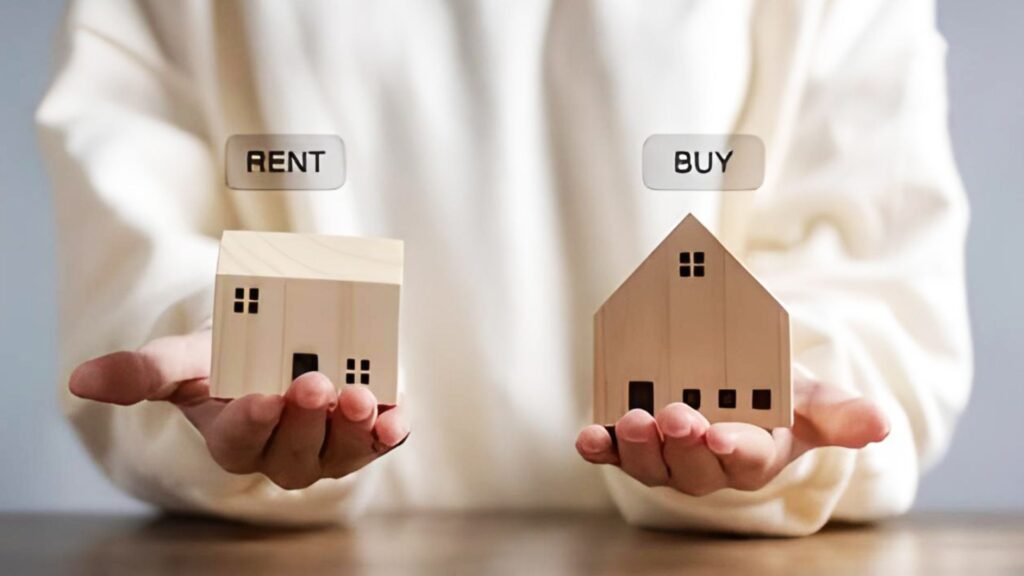
    When it comes to securing a place to live, one of the biggest decisions you’ll face is whether to rent or buy a property. Both options come with their own set of benefits and drawbacks. Understanding the pros and cons of renting versus buying can help you make an informed decision based on your personal needs, financial situation, and long-term goals.

    The Pros and Cons of Renting vs. Buying
    The Pros and Cons of Renting vs. Buying

    The Benefits of Renting

    Renting a property is often seen as a more flexible and lower-risk option for many people. Here are some key advantages:

    Flexibility and Mobility

    One of the main benefits of renting is the flexibility it offers. Renting allows you to move easily from one place to another, whether due to work, lifestyle changes, or other personal reasons. Unlike homeownership, which typically requires a long-term commitment, renting offers leases that can be as short as six months or a year.

    Lower Upfront Costs

    Renting generally requires less initial financial investment compared to buying. Typically, renters only need to pay a security deposit and the first month’s rent, whereas buyers often face hefty down payments, closing costs, and additional fees. This makes renting a more accessible option for people who may not have significant savings.

    Maintenance-Free Living

    As a renter, you are not responsible for maintaining or repairing the property. If something breaks down, the landlord or property manager is typically responsible for fixing it. This can save renters both time and money compared to homeowners who are responsible for everything from plumbing issues to roof repairs.

    Predictable Monthly Costs

    Renting provides more financial predictability. Your monthly rent is typically fixed for the duration of your lease, making it easier to budget. Homeownership, on the other hand, may come with variable expenses such as property taxes, insurance, and maintenance, which can fluctuate over time.

    The Drawbacks of Renting

    While renting offers a variety of advantages, there are also several downsides to consider:

    No Equity Building

    When you rent, your monthly payments go to the landlord, and you don’t build any equity in the property. Over time, this means you are essentially paying for someone else’s asset. In contrast, when you buy a home, each mortgage payment increases your ownership in the property, ultimately leading to equity growth.

    Limited Control and Personalization

    Renting means that you have limited control over the property. You can’t make significant changes or upgrades, such as painting the walls or renovating the kitchen. This lack of control can be frustrating for people who want to truly personalize their living space.

    Jackpotjillvip Casino Login

    At Poebok, we celebrate the art of storytelling, offering a platform where individuals can explore, create, and share their narratives. Whether you’re an aspiring writer, a seasoned poet, or someone who enjoys reading diverse stories, Poebok provides a space to connect with others who share your passion for the written word. Our community is built on the foundation of creativity and expression, encouraging members to contribute their unique voices. For those interested in online entertainment, platforms like Jackpotjillvip Casino Login offer a variety of gaming experiences, emphasizing the importance of secure and enjoyable digital environments.

    Potential for Rent Increases

    Rent prices can rise when your lease is up for renewal. If the local housing market is strong, your landlord may increase the rent, making it difficult to plan your finances long-term. Homeowners, on the other hand, are protected from such increases if they have a fixed-rate mortgage.

    Less Stability

    Renting can feel less stable than owning a home, especially if your landlord decides to sell the property or not renew your lease. While laws in some places provide renters with protections, there’s still a level of uncertainty when it comes to long-term housing stability.

    The Evolution of Digital Sports Management

    Poebok tracks the intersection of technology and competitive sports, focusing on the sophisticated data analytics and management tools used by professional teams and digital platforms. The shift to mobile technology has revolutionized how fans and analysts engage with competitive events. This change is most evident in the rise of convenient, feature-rich platforms that offer a mobile sports book experience. Stay ahead of the game with our expert sports tech analysis.

    Conclusion

    Renting and buying both come with their own set of pros and cons. Renting offers flexibility, lower upfront costs, and fewer responsibilities, but it doesn’t allow you to build equity. Buying a home can offer stability, equity, and potential long-term profits, but it comes with high initial costs and ongoing responsibilities. Ultimately, the decision depends on your financial situation, lifestyle, and future goals. Take your time to weigh your options and consider consulting with a financial advisor to help guide your choice.

  • Top Property Investment Tips for Beginners

    Top Property Investment Tips for Beginners

    Investing in property can be a lucrative way to build wealth, but it can also be daunting for beginners. Whether you’re looking to purchase a rental property, flip houses, or invest in commercial real estate, understanding the basics is crucial. This article will guide you through top property investment tips for beginners, ensuring you make informed decisions from the start.

    Top Property Investment Tips for Beginners
    Top Property Investment Tips for Beginners

    Understand the Different Types of Property Investments

    Residential vs. Commercial Real Estate

    One of the first decisions you’ll need to make is whether to invest in residential or commercial real estate. Residential properties typically include single-family homes, condos, or multi-family buildings. They tend to have lower upfront costs and are often easier to finance. Commercial properties, such as office buildings or shopping centers, usually come with higher risks and costs but can offer higher returns.

    Buy-to-Let Properties

    For beginners, buy-to-let properties—where you purchase a property to rent out—are often the most popular choice. Renting out your property can provide a steady stream of income while the value of the property appreciates over time. However, it’s important to factor in the responsibilities of being a landlord, such as managing tenants, property maintenance, and ensuring you comply with rental laws.

    Do Your Research Before Buying

    Study the Local Market

    The success of your property investment largely depends on the location. Research local property markets to understand trends, demand, and growth potential. Pay attention to factors such as crime rates, school quality, public transportation, and upcoming developments. A neighborhood that is on the rise today can lead to a profitable investment tomorrow.

    Assess Property Prices and Rent Rates

    Before making an investment, analyze property prices in the area. Compare similar properties to ensure you’re getting a good deal. Likewise, research rental rates to determine whether the property can generate enough income to cover mortgage payments and other costs. Websites like Zillow and local real estate listings can help you get a sense of current prices.

    Start Small and Scale Up Gradually

    Begin with a Single Property

    For beginners, it’s best to start small. Purchasing a single-family home or a smaller multi-unit property reduces your initial financial risk while giving you the opportunity to learn the ropes of property management. As you gain experience and confidence, you can begin to scale up your investments.

    Avoid Overleveraging

    It can be tempting to take out large loans to fund multiple properties, but this can be risky. Instead, focus on manageable loans and invest in properties that you can comfortably finance. Overleveraging—taking on too much debt—can lead to financial struggles if the property market dips or you face unexpected costs.

    Understand the Costs Involved in Property Investment

    Factor in Maintenance and Repairs

    When investing in property, always factor in maintenance and repair costs. These costs are ongoing and can add up quickly, especially if the property is older. Setting aside a maintenance fund can help you avoid financial strain when repairs are needed. Make sure to budget for routine maintenance, like landscaping or plumbing, as well as larger projects like roof repairs or appliance replacements.

    Consider Property Taxes and Insurance

    In addition to your mortgage payments, you’ll also need to account for property taxes and insurance. Property taxes can vary greatly depending on the location, and they typically increase over time. Ensure you understand the tax rates in your area and how they might impact your investment. Similarly, securing the right insurance coverage can protect you from unexpected financial losses due to damage, theft, or accidents.

    Conclusion

    Property investment can be a highly rewarding way to build wealth, but it requires careful planning, research, and financial management. By understanding the types of investments, doing your homework on the local market, starting small, and knowing your financing options, you can set yourself up for success. Remember that property investment is a long-term commitment, and patience is key to reaping the rewards of your hard work. With the right strategies in place, you can become a successful property investor.

  • How to Find the Best Mortgage Rates

    How to Find the Best Mortgage Rates

    Finding the best mortgage rate is crucial to ensuring you pay the least amount of interest over the life of your loan. With so many lenders and loan products available, navigating the world of mortgages can be daunting. This article will guide you through the process of finding the best mortgage rates by focusing on key steps, tips, and factors to consider before making your decision.

    How to Find the Best Mortgage Rates
    How to Find the Best Mortgage Rates

    Discover Creative Content and Fun

    Poebok offers a platform for creative minds to share and explore unique content across various categories. While enjoying inspiring ideas, users can also experience thrilling online gaming at Kingjohnnie Casino Login. The site combines creativity and entertainment, giving visitors a well-rounded experience. Dive into both innovation and excitement effortlessly.

    Understand What Affects Mortgage Rates

    1.1 The Role of Interest Rates

    Mortgage rates are typically influenced by various factors, both personal and economic. The base interest rate, set by the Federal Reserve, is one of the primary factors. When the Federal Reserve raises or lowers its rate, mortgage rates usually follow suit. However, the specific rate you are offered will depend on other elements as well, such as your credit score, loan type, and the amount you are borrowing.

    1.2 The Impact of Your Credit Score

    Lenders will use your credit score to assess how risky it is to lend you money. A higher credit score indicates lower risk, which can result in a better mortgage rate. A lower score might lead to higher interest rates or even a rejection of your application. If your credit score isn’t where you want it to be, consider taking steps to improve it before applying for a mortgage.

    Shop Around for Multiple Lenders

    2.1 Compare Rates from Different Lenders

    Not all lenders offer the same mortgage rates, so it’s important to shop around and compare offers from a variety of institutions. You can compare rates from traditional banks, online lenders, credit unions, and mortgage brokers. Keep in mind that the interest rate is not the only factor to consider—fees, loan terms, and the reputation of the lender are also important.

    2.2 Use Online Comparison Tools

    There are many online platforms and tools available that can help you compare mortgage rates. These websites gather data from multiple lenders, allowing you to see the current rates and loan options available in your area. While these tools are helpful for an initial comparison, be sure to reach out to lenders directly to confirm rates and fees.

    Consider the Type of Loan You Need

    3.1 Fixed vs. Adjustable Rate Mortgages

    Mortgage rates vary depending on the type of loan you choose. A fixed-rate mortgage has the same interest rate for the entire term of the loan, making it easier to budget for your monthly payments. In contrast, an adjustable-rate mortgage (ARM) has a rate that may change after an initial period. ARMs often start with lower rates but can rise over time, making them riskier in the long run.

    Consider your financial situation and long-term plans when deciding between the two. If you plan to stay in your home for a long period, a fixed-rate mortgage may be a safer choice. However, if you plan to move or refinance in the next few years, an ARM could save you money upfront.

    Exploring Music and Online Entertainment

    Poebok.com appears to be a platform for music, possibly offering songs and albums. While enjoying your favorite tunes and discovering new artists, you might also be interested in exploring other forms of online entertainment. For those seeking digital gaming experiences in Australia, you can find information about australia online casino sites. We encourage responsible engagement with all online activities, balancing your appreciation for music with mindful online leisure.

    3.2 Government-Backed Loans

    If you’re a first-time homebuyer or have less-than-perfect credit, government-backed loans such as FHA loans or VA loans may offer more favorable mortgage rates. These loans typically require lower down payments and have more lenient credit score requirements. Investigating these options can help you find a competitive rate, especially if you qualify for government assistance programs.

    Improve Your Financial Profile

    4.1 Save for a Larger Down Payment

    Lenders typically offer better mortgage rates to borrowers who can make a larger down payment. A larger down payment reduces the lender’s risk, as you will owe less on the loan. Aim to put down at least 20% of the home’s purchase price if possible. In addition to securing a better rate, a larger down payment may also help you avoid paying private mortgage insurance (PMI), which can add to your monthly payments.

    4.2 Reduce Your Debt-to-Income Ratio

    Lenders also consider your debt-to-income (DTI) ratio when determining the interest rate. Your DTI ratio compares your monthly debt payments to your monthly income. The lower your DTI ratio, the more favorably lenders will view you. Work on paying down high-interest debts or refinancing existing loans before applying for a mortgage to improve your DTI ratio.

    Lock in Your Rate

    5.1 Rate Lock Explained

    Once you find a mortgage rate you’re comfortable with, it may be a good idea to lock it in. A rate lock guarantees the rate for a certain period, typically 30 to 60 days. This can protect you from potential interest rate increases during the home-buying process. Keep in mind that if rates drop during this period, you may not be able to take advantage of the lower rates.

    5.2 Timing Your Lock

    If you are in the early stages of your home search, consider monitoring interest rates and waiting for a dip before locking in your rate. On the other hand, if you are near the closing stage, locking in the rate can provide peace of mind knowing your rate will remain consistent through the rest of the process.

    Conclusion

    Finding the best mortgage rate requires careful consideration of many factors, including your credit score, the type of loan, and the lender’s fees. By shopping around, improving your financial profile, and understanding the impact of your decisions, you can secure a mortgage rate that saves you money in the long run. With these tips in mind, you’ll be well on your way to finding the best mortgage rate for your next home purchase.

  • The Rise of Smart Homes and Property Technology

    The Rise of Smart Homes and Property Technology

    Technology has significantly reshaped many aspects of our lives, and the real estate industry is no exception. From smart thermostats to advanced home security systems, the rise of smart homes and property technology is transforming how we live, buy, sell, and manage real estate. This article explores the current trends and future implications of this technology in the property market.

    The Rise of Smart Homes and Property Technology
    The Rise of Smart Homes and Property Technology

    What Makes a Home “Smart”?

    1.1 Integration of Devices and Systems

    A “smart home” is typically defined as a living space equipped with devices that connect to the internet and can be controlled remotely via a smartphone, tablet, or voice assistant. These devices can range from basic items like smart lights and thermostats to more complex systems like smart refrigerators and security cameras. The key to a smart home is the seamless integration of these devices, allowing them to work together to improve convenience, security, and energy efficiency.

    1.2 Popular Smart Devices

    • Smart Thermostats: Devices like the Nest or Ecobee allow homeowners to control their heating and cooling systems from anywhere, adjusting the temperature remotely and creating automated schedules.
    • Smart Lighting: LED bulbs that can be controlled by voice or an app, offering features like dimming, color changes, and energy-efficient lighting.
    • Smart Security Systems: Cameras, doorbell cameras, motion sensors, and alarms can be monitored and controlled remotely, providing added security for your home.
    • Smart Appliances: Refrigerators, washing machines, and even coffee makers that can be monitored or controlled remotely.

    How Smart Homes Are Changing the Way We Live

    2.1 Improved Energy Efficiency

    One of the most significant benefits of smart homes is their impact on energy efficiency. Smart thermostats and lighting systems automatically adjust to your habits, helping you save energy and reduce utility bills.

    2.2 Enhanced Convenience

    The convenience offered by smart homes is perhaps the most attractive feature. Being able to control lights, appliances, and security systems from your phone or voice assistant is not only time-saving but also highly convenient. For example, with a simple voice command, you can turn on your living room lights, lock your doors, or even adjust your thermostat without lifting a finger.

    2.3 Increased Home Security

    Smart security systems have become a major selling point for many homeowners. With smart cameras and video doorbells, homeowners can see who is at the door and even communicate with visitors remotely.

    Property Technology (PropTech): Revolutionizing Real Estate

    3.1 What is PropTech?

    Property technology (PropTech) refers to the use of technology to help buyers, sellers, landlords, and renters improve how they interact with the property market. From virtual tours to digital mortgages, PropTech is streamlining the entire real estate process, making transactions more efficient and accessible. This trend is rapidly growing, as the real estate industry continues to adopt new technologies to meet consumer demands.

    3.2 Key PropTech Innovations

    • Virtual Property Tours: Technologies like 360-degree cameras and augmented reality (AR) enable prospective buyers to take virtual tours of homes from anywhere, saving time and effort during the house-hunting process.
    • Blockchain for Property Transactions: Blockchain technology is revolutionizing property transactions by providing a more secure, transparent, and faster process. Blockchain can reduce fraud, cut down on paperwork, and streamline the buying and selling process.

    The Future of Smart Homes and Property Technology

    4.2 Advances in Artificial Intelligence

    The integration of artificial intelligence (AI) in smart homes will likely be one of the most transformative shifts. AI can enable predictive features, where systems “learn” your habits and adjust automatically without requiring manual intervention. For instance, your home could anticipate when you’re going to leave for work and adjust your thermostat, security system, and lighting accordingly.

    4.3 Sustainable Living with Smart Homes

    As sustainability becomes a global priority, smart homes will likely play a key role in reducing carbon footprints. Smart appliances, lighting, and heating systems can help homeowners reduce waste and conserve energy, contributing to the reduction of greenhouse gas emissions. The integration of solar panels and energy storage systems in smart homes could also revolutionize how homes generate and store energy.

    Conclusion

    The rise of smart homes and property technology is changing the way we live, work, and interact with real estate. From increased energy efficiency and convenience to enhanced security, smart homes are becoming more mainstream. Property technology is also transforming the way we buy, sell, and manage properties, making transactions smoother and more transparent. While challenges like privacy concerns and cost remain, the future of smart homes and PropTech looks bright as these innovations continue to evolve.

  • Best Tips for Selling Your Property Fast

    Best Tips for Selling Your Property Fast

    Selling a property can sometimes feel like a lengthy and stressful process. However, with the right approach, you can speed up the sale and attract more potential buyers. Whether you’re relocating, downsizing, or just ready for a change, these tips will help you sell your property quickly and for the best price.

    Best Tips for Selling Your Property Fast
    Best Tips for Selling Your Property Fast

    Set the Right Price

    Do Market Research

    The most crucial factor in selling your home quickly is setting the right price. Research comparable homes (comps) in your area to determine what price range your property falls into. If you price too high, it may scare off potential buyers. If you price too low, you risk losing money. An accurate, competitive price is key to attracting interest quickly.

    Consider Professional Appraisal

    If you’re unsure about pricing, it may be worthwhile to invest in a professional appraisal. A licensed appraiser can give you an accurate valuation of your property, ensuring you’re not overpricing or underpricing.

    Make Necessary Repairs and Improvements

    Handle Basic Maintenance

    Ensure your home is in top shape by tackling simple repairs that may make a big difference. This includes fixing leaky faucets, repairing broken tiles, and repainting areas that need a fresh coat of paint. Buyers will appreciate a property that appears well-maintained and move-in ready.

    Focus on Curb Appeal

    The first impression matters. Your property’s exterior should make a great impact on potential buyers. Invest in landscaping, clean the driveway, and ensure the front door looks inviting. Even small touches, like fresh flowers or a clean porch, can boost your curb appeal.

    Stage Your Home

    Declutter and Depersonalize

    Buyers want to envision themselves living in your home, which can be difficult if your personal items are scattered around. Declutter rooms, remove family photos, and clear off countertops to create a neutral and inviting atmosphere.

    Highlight Key Features

    Stage your home to showcase its best features. Arrange furniture in a way that maximizes space, highlights natural light, and shows off the layout. You can also add fresh flowers or decor to make the space feel more welcoming.

    Market Your Property Effectively

    Utilize Online Listings

    In today’s digital world, online listings are essential. Make sure your home is listed on popular real estate websites like Zillow, Realtor.com, and Redfin. Include high-quality, well-lit photos that showcase your home in its best light.

    Leverage Social Media

    Social media platforms like Facebook, Instagram, and Twitter are excellent tools for promoting your property. Create posts with stunning images and encourage friends and family to share them. You can also consider paid advertising to expand your reach.

    Work with a Real Estate Agent

    A professional real estate agent can help you market your property effectively. Their network and expertise can give you access to a larger pool of buyers and help you negotiate better terms. They can also assist with pricing and ensuring your home is presented in the best light.

    Be Flexible with Showings

    Make Your Home Available for Showings

    The more flexible you are with showings, the more potential buyers can visit your property. If possible, offer evening or weekend viewings to accommodate the schedules of working individuals or families. A home that’s easy to see will attract more buyers, leading to a faster sale.

    Consider Virtual Tours

    For buyers who may be out of town or unable to visit in person, consider offering virtual tours of your home. Virtual tours can give a more in-depth view of your property, which can be a helpful alternative for remote buyers.

    Be Ready to Negotiate

    Be Open to Offers

    While you may have a desired price in mind, be open to negotiations. If you receive an offer lower than your asking price, consider whether it’s a reasonable deal. If you’re in a hurry to sell, you may want to be more flexible on the price or offer additional concessions, like paying for closing costs.

    Work with a Real Estate Lawyer

    A real estate lawyer can help guide you through the legal aspects of negotiations, ensuring you understand all terms of the contract and helping you make informed decisions.

    Conclusion

    Selling your property fast requires a combination of preparation, pricing, and marketing strategies. By making necessary repairs, staging your home, leveraging online platforms, and remaining flexible with showings and negotiations, you can speed up the selling process and increase your chances of attracting serious buyers. Keep in mind that a positive attitude and responsiveness can go a long way toward closing the deal quickly. With these tips, you’re well on your way to selling your home fast and efficiently.

  • How to Buy Your First Home: A Step-by-Step Guide

    How to Buy Your First Home: A Step-by-Step Guide

    Purchasing your first home is one of the most exciting and significant financial decisions you’ll make. However, the process can feel overwhelming, especially if you’re new to the world of real estate. From securing financing to making an offer, it’s essential to understand the steps involved so that you can approach the process with confidence. This step-by-step guide will break down the process, helping you navigate each stage of buying your first home.

    How to Buy Your First Home: A Step-by-Step Guide
    How to Buy Your First Home: A Step-by-Step Guide

    Assess Your Financial Situation

    Understand Your Budget

    Before you even begin browsing homes, you need to assess your finances. Determine how much you can afford by considering your income, monthly expenses, and current savings. A common rule of thumb is that your monthly mortgage payment should not exceed 28-30% of your monthly income.

    Save for a Down Payment

    In most cases, you’ll need a down payment to purchase a home. While some loan programs allow for as little as 3% down, a down payment of 20% will allow you to avoid private mortgage insurance (PMI) and may lead to better loan terms.

    Review Your Credit Score

    Lenders use your credit score to assess how risky it would be to lend you money. A higher credit score generally leads to better loan terms, such as lower interest rates. If your credit score is less than ideal, it’s a good idea to work on improving it before applying for a mortgage.

    Get Pre-Approved for a Mortgage

    Understand Different Loan Types

    There are various mortgage options, including conventional loans, FHA loans, VA loans, and USDA loans. Research each type to determine which one best fits your financial situation.

    Shop for Lenders

    It’s important to shop around and compare lenders to ensure you get the best rates and terms. Seek recommendations from family and friends or use online resources to compare rates from different institutions.

    Obtain Pre-Approval

    Pre-approval means that a lender has reviewed your financial situation and determined how much you are eligible to borrow. Having a pre-approval letter in hand gives you an advantage when making offers, as it shows sellers you are a serious buyer.

    Start Searching for Your Dream Home

    Determine Your Needs and Wants

    Make a list of must-have features for your new home, such as the number of bedrooms, bathrooms, and any specific amenities you desire (e.g., a backyard, garage, or pool). Knowing what you need versus what you want will help you narrow down your options.

    Research Neighborhoods

    Location is crucial when buying a home. Research neighborhoods in your preferred area and consider factors like commute times, nearby schools, amenities, safety, and future development potential.

    Work with a Real Estate Agent

    While it’s possible to buy a home without an agent, working with a professional can help simplify the process. A real estate agent can assist with finding properties, negotiating offers, and managing paperwork, helping ensure a smooth transaction.

    Make an Offer

    Understand the Market Conditions

    Before making an offer, it’s essential to understand the market. Is it a buyer’s market or a seller’s market? A seller’s market means there are more buyers than homes, which may result in higher prices and bidding wars. A buyer’s market, on the other hand, means there are more homes available than buyers, giving you more leverage.

    Decide on an Offer Price

    Once you find a home you like, your agent will help you decide on a fair offer price based on comparable home sales in the area, known as “comps.” Your offer may also include contingencies, such as a home inspection or financing approval, to protect your interests.

    Submit Your Offer

    Your agent will submit your offer to the seller, along with any contingencies, earnest money, and required documentation. The seller may accept, reject, or counter your offer.

    Conclusion

    Buying your first home is a thrilling and rewarding experience, but it requires careful planning and attention to detail. By following these steps and taking your time, you can confidently navigate the home-buying process. Whether you’re considering a house, condo, or townhouse, the most important thing is to stay informed and make decisions that align with your financial goals and lifestyle. Enjoy the journey, and welcome to the world of homeownership!