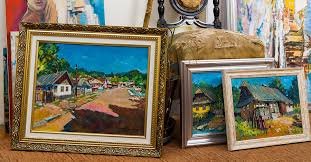
Modern art has undergone a profound transformation over the past century, pushing boundaries and challenging traditional notions of creativity. Artists continually reinvent their styles and techniques to reflect the world around them, resulting in the emergence of diverse modern art movements. These movements often emerge in response to social, political, and technological changes, offering fresh perspectives and new ways to view the world. In this post, we will explore several influential modern art movements and examine how they have shaped the art world today.
Impressionism: The Birth of Modern Art
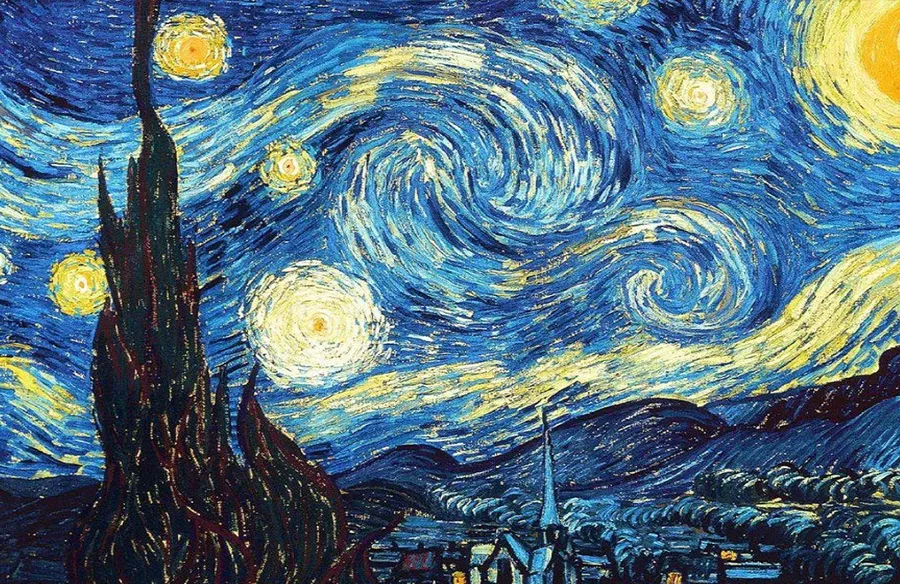
Impressionism marks the starting point of modern art. Emerging in France in the late 19th century, Impressionist artists broke away from the rigid rules of academic painting. Artists like Claude Monet, Pierre-Auguste Renoir, and Édouard Manet focused on capturing the fleeting moments of everyday life, using loose brushwork and an emphasis on light and color rather than precise details.
The movement’s hallmark was its ability to represent the world as it was experienced in the moment. Instead of depicting scenes with sharp realism, Impressionists embraced spontaneity, allowing their paintings to appear unfinished or even blurry at first glance. The movement forever changed how artists approached the depiction of reality and opened the door for more abstract and experimental forms of art.
Cubism: Breaking Down Reality
Cubism, pioneered by Pablo Picasso and Georges Braque, marked a significant departure from traditional portrayals of reality. Emerging in the early 20th century, Cubism fractured objects into geometric shapes and presented them from multiple viewpoints at the same time. This fragmented approach allowed artists to depict the complexity of the modern world and convey different perspectives within a single artwork.
Cubism can be divided into two phases: Analytic Cubism, which focused on deconstructing objects, and Synthetic Cubism, which involved the use of collage and simpler shapes. The movement influenced not only painting but also sculpture, architecture, and design, and remains one of the most revolutionary art movements in history.
Surrealism: Unlocking the Power of the Unconscious
Surrealism emerged in the 1920s as a movement that explored the unconscious mind and challenged the boundaries between reality and dreams. Influenced by the psychoanalytic theories of Sigmund Freud and Carl Jung, surrealist artists like Salvador Dalí, René Magritte, and Max Ernst created bizarre, dreamlike scenes that defied logic and reason.
The movement was driven by the idea that the unconscious could unlock a deeper truth about the human experience. Surrealist works often included unexpected juxtapositions, distorted forms, and otherworldly landscapes, all meant to provoke thought and stir emotion. Surrealism also influenced literature, film, and even fashion, leaving a lasting legacy across creative fields.
Abstract Expressionism: Emotion through Abstraction
Abstract Expressionism was an influential American art movement that emerged in the 1940s and 1950s. It centered on expressing emotions through abstract forms and bold brushwork. Artists like Jackson Pollock, Willem de Kooning, and Mark Rothko sought to convey inner feelings and subconscious thoughts without relying on representational imagery. The focus was on the act of painting itself, often using energetic, spontaneous gestures.
Pollock’s iconic drip paintings and Rothko’s large color fields remain some of the most recognizable works of this movement. Abstract Expressionism emphasized individual expression and freedom, often evoking intense emotional responses from viewers. This movement shifted the focus from subject matter to the emotional experience of both the artist and the audience, paving the way for future experimental art forms.
Minimalism: The Power of Simplicity
In contrast to the emotional intensity of Abstract Expressionism, Minimalism emerged in the 1960s as a movement that emphasized simplicity and objectivity. Artists like Donald Judd, Dan Flavin, and Frank Stella sought to remove any extraneous elements in their works, focusing on basic shapes, clean lines, and the use of industrial materials.
Minimalist art is characterized by the reduction of form, eliminating personal expression or narrative in favor of geometric abstraction. The movement emphasized the relationship between the artwork and the viewer’s perception of space. Minimalism also influenced architecture, design, and even music, and continues to shape contemporary art today.
Pop Art: Celebrating Consumer Culture
Pop Art, which emerged in the 1950s and 1960s, focused on mass culture, consumerism, and the rise of popular media. Led by artists like Andy Warhol, Roy Lichtenstein, and Claes Oldenburg, Pop Art incorporated imagery from advertisements, comic strips, and everyday objects, challenging the distinction between fine art and commercial culture.
Warhol’s iconic Campbell’s Soup Cans and Lichtenstein’s comic-style paintings blurred the lines between high and low art, questioning traditional definitions of artistic value. Pop Art commented on consumer society, highlighting the impact of mass production and the rise of celebrity culture. The movement also paved the way for more conceptual and commercial forms of art in the decades that followed.
Street Art: Reclaiming Public Space
Street art has evolved from a form of urban rebellion to a respected genre in contemporary art. Beginning in the 1970s and 1980s, this movement marked a shift in artistic expression, with artists creating works in streets, subways, and on buildings. Banksy, Jean-Michel Basquiat, and Keith Haring were among the key figures who popularized this form of art, often incorporating bold, colorful imagery and social or political messages.
Street art continues to thrive today, with many artists gaining global recognition for their works. Its accessibility and ability to engage a wide audience have made it one of the most dynamic movements in modern art. Street art has brought art to the streets, breaking down traditional barriers and allowing a more diverse range of voices to be heard.
Conclusion
Modern art movements have continuously challenged artistic conventions and provided new ways to understand and engage with the world. From the brushstrokes of Impressionism to the abstract forms of Cubism, the dreamlike landscapes of Surrealism, and the simplicity of Minimalism, these movements have transformed the art world and left an enduring impact on contemporary artists.
Each of these movements sought to break free from tradition and explore new ways of expression, reflecting the changing times and the evolving nature of society. Whether you are a seasoned art collector or a newcomer to the art world, understanding these movements provides a deeper appreciation for the creative forces that have shaped modern art.