Category: Arts

  • Must-See Art Collections In Museums Now

    Must-See Art Collections In Museums Now

    Art collections are the heart of many museums around the world, and they offer incredible glimpses into the creativity, history, and cultures that shape our world. Whether you’re an art lover, a traveler, or simply looking for inspiration, some museum collections are truly unforgettable. In 2025, several must-see art collections will leave you in awe. Let’s explore the best art collections to visit now and why they are so iconic.

    Must-See Art Collections In Museums Now
    Must-See Art Collections In Museums Now

    1. The Louvre Museum – Paris, France

    The Louvre Museum in Paris is home to one of the most famous art collections in the world. It houses over 35,000 works of art, with pieces that span over 4,000 years of history. The museum is renowned for its impressive collection of Renaissance masterpieces, classical sculptures, and ancient artifacts.

    Must-See Artworks:

    • Mona Lisa by Leonardo da Vinci: Arguably the most famous painting in the world, the Mona Lisa captivates visitors with her mysterious smile and impeccable detail.
    • The Venus de Milo: This ancient Greek statue is one of the most recognized sculptures in art history.
    • Liberty Leading the People by Eugène Delacroix: A powerful depiction of the July Revolution in France.

    Visiting the Louvre is a must for anyone passionate about art, history, and culture. The museum offers a wide range of works from ancient Egypt to modern times, making it a must-see destination for art enthusiasts.

    2. The British Museum – London, England

    The British Museum in London houses an extensive and diverse collection of art from around the world. With artifacts spanning thousands of years, it offers a fascinating look at the cultures and civilizations that have shaped our world.

    Must-See Artworks:

    • The Rosetta Stone: This ancient Egyptian artifact helped scholars decode the hieroglyphic language.
    • The Elgin Marbles: A collection of classical Greek marble sculptures that once adorned the Parthenon.
    • The Assyrian Lion Hunt Reliefs: Intricate carvings depicting royal hunts in ancient Assyria.

    The British Museum’s collection covers everything from ancient Egypt and Greece to China, Africa, and Mesopotamia. Whether you’re interested in ancient history or exploring the intersections of art and culture, this museum offers something for everyone.

    3. The Metropolitan Museum of Art – New York City, USA

    Known as the Met, the Metropolitan Museum of Art in New York City is one of the largest and most prestigious art museums in the world. With over 2 million works in its collection, it offers a vast range of art from every corner of the globe, from ancient artifacts to contemporary works.

    Must-See Artworks:

    • The Temple of Dendur: An Egyptian temple that was relocated to the museum in the 1960s.
    • The Death of Socrates by Jacques-Louis David: A neoclassical painting that depicts the philosopher’s final moments.
    • Vincent van Gogh’s Self-Portrait: A striking work that showcases the artist’s intense emotional expression.

    From European paintings to Asian sculptures, the Metropolitan Museum offers a deep dive into a world of art across centuries and cultures, making it a top destination for art lovers.

    4. The Vatican Museums – Vatican City

    The Vatican Museums house an exceptional collection of art from the Catholic Church’s vast history. Located in Vatican City, these museums feature religious works, classical sculptures, and Renaissance masterpieces. A visit here offers not just stunning art, but also insight into the connection between art and spirituality.

    Must-See Artworks:

    • The Sistine Chapel Ceiling by Michelangelo: One of the most iconic pieces of art, this masterpiece features biblical scenes, including the famous Creation of Adam.
    • Raphael Rooms: The rooms are filled with breathtaking frescoes painted by Raphael.
    • Laocoön and His Sons: An ancient Greek sculpture depicting a dramatic scene from the Trojan War.

    The Vatican Museums are not just about art; they are an experience of history, religion, and culture combined into one extraordinary collection.

    5. The Uffizi Gallery – Florence, Italy

    The Uffizi Gallery is one of the most famous art museums in Italy, located in the heart of Florence. It boasts an incredible collection of Renaissance masterpieces, and it’s the perfect place for those wanting to immerse themselves in the art of this transformative period.

    Must-See Artworks:

    • The Birth of Venus by Sandro Botticelli: A famous Renaissance painting depicting the goddess Venus emerging from the sea.
    • Annunciation by Leonardo da Vinci: One of the earliest works by the renowned master.
    • The Duke and Duchess of Urbino by Piero della Francesca: A stunning example of Renaissance portraiture.

    For anyone interested in Renaissance art, the Uffizi Gallery is a must-see museum. It offers a glimpse into the history of Italian art, culture, and creativity, with works by masters such as Leonardo da Vinci, Michelangelo, and Raphael.

    6. The Museum of Modern Art (MoMA) – New York City, USA

    For lovers of modern and contemporary art, the Museum of Modern Art (MoMA) in New York is an essential destination. MoMA showcases works from the 20th and 21st centuries, with an emphasis on innovation and creativity.

    Must-See Artworks:

    • Starry Night by Vincent van Gogh: A swirling depiction of the night sky, one of the most beloved paintings of all time.
    • The Persistence of Memory by Salvador Dalí: A surreal painting known for its melting clocks.
    • Campbell’s Soup Cans by Andy Warhol: A series that became a defining symbol of Pop Art.

    MoMA is a hub for art that challenges traditional norms, featuring works that have shaped modern art history. The museum is a must-see for anyone interested in modernism, abstract art, and experimental creativity.

    7. The Hermitage Museum – St. Petersburg, Russia

    The Hermitage Museum in St. Petersburg is one of the largest and most famous museums in the world, with a collection that includes over 3 million works of art. Housed in the former royal Winter Palace, the museum offers a rich display of European, Asian, and Russian art.

    Must-See Artworks:

    • The Madonna Litta by Leonardo da Vinci: A delicate and powerful depiction of the Virgin Mary.
    • The Peacock Clock: A spectacular timepiece that showcases the intricate craftsmanship of the 18th century.
    • Rembrandt’s Prodigal Son: A masterpiece by the Dutch artist known for its dramatic lighting.

    The Hermitage Museum offers visitors the chance to explore art across centuries, with works from the Renaissance, Baroque, and Impressionist periods, as well as some of the most stunning examples of Russian art.

    Conclusion

    Visiting the world’s top art collections is an unforgettable experience, offering a deep dive into history, culture, and human creativity. From the Mona Lisa at the Louvre to The Sistine Chapel in the Vatican, these must-see collections are not only beautiful but tell the story of humanity’s artistic evolution. Whether you’re an art lover, a history buff, or simply curious, these museums will inspire you and leave you in awe of the masterpieces they house. So, plan your visit and explore the art that defines our past, present, and future!

  • Top Art Courses To Take In 2025

    Top Art Courses To Take In 2025

    Art is a constantly evolving field, and 2025 brings exciting new opportunities to learn and grow. Whether you’re a beginner or an experienced artist, taking a course can help you improve your skills, explore new techniques, and discover fresh creative ideas. In this article, we’ll look at some of the top art courses to take in 2025 that will boost your artistic abilities and inspire your next masterpiece.

    Top Art Courses To Take In 2025
    Top Art Courses To Take In 2025

    1. Digital Art and Illustration

    As technology continues to shape the art world, digital art remains one of the most popular and in-demand skills for artists. In 2025, digital illustration courses are becoming more accessible and offer in-depth instruction on how to create stunning visuals using software like Adobe Photoshop, Procreate, and Illustrator.

    Why Take This Course?

    • Learn how to create digital artwork from scratch.
    • Master various digital painting techniques and design tools.
    • Understand how to use digital platforms for professional-level artwork.

    Recommended Courses:

    • “Digital Painting in Photoshop” on Skillshare.
    • “Illustration for Beginners” on Udemy.
    • Procreate Basics & Advanced Techniques on LinkedIn Learning.

    2. Painting with Watercolors

    Watercolor painting remains one of the most versatile and beautiful art forms. In 2025, more artists are rediscovering the charm of watercolor, and online courses can help you master this medium.

    Why Take This Course?

    • Learn how to blend and layer watercolors for smooth transitions.
    • Understand various techniques, including wet-on-wet and dry brushing.
    • Create beautiful, atmospheric paintings with minimal supplies.

    Recommended Courses:

    • “Mastering Watercolor Painting” on Domestika.
    • “The Art of Watercolor” on Udemy.
    • “Watercolor Painting for Beginners” on Craftsy.

    3. Drawing and Sketching Techniques

    If you want to improve your fundamental art skills, drawing and sketching courses are essential. In 2025, these courses will be offered with a focus on improving technical skills and developing your unique artistic style.

    Why Take This Course?

    • Learn to sketch with accuracy and creativity.
    • Master shading, texture, and perspective techniques.
    • Create lifelike portraits or abstract sketches with ease.

    Recommended Courses:

    • “How to Draw: Drawing and Sketching for Beginners” on Skillshare.
    • “Drawing Fundamentals” on MasterClass.
    • “Sketching for Beginners” on Udemy.

    4. Mixed Media Art

    Mixed media art combines different materials and techniques to create one-of-a-kind works of art. Whether it’s painting combined with photography, or sculpture mixed with found objects, these courses will help you explore new possibilities and enhance your creativity.

    Why Take This Course?

    • Learn how to combine various materials such as paper, paint, and fabric.
    • Explore creative techniques that result in dynamic, textured art.
    • Experiment with different forms of artistic expression.

    Recommended Courses:

    • “Mixed Media Art” on Domestika.
    • “Mixed Media Painting: An Introduction to Techniques” on Skillshare.
    • “Create Mixed Media Art with Paper” on CreativeLive.

    5. Photography and Photo Editing

    Photography is an art form that allows you to capture and share your view of the world. In 2025, there will be more accessible courses focused on both photography techniques and photo editing to help you create stunning images.

    Why Take This Course?

    • Master techniques for capturing beautiful, high-quality photos.
    • Learn how to edit and enhance your photos with software like Adobe Lightroom and Photoshop.
    • Explore creative photography styles, including portrait, landscape, and abstract photography.

    Recommended Courses:

    • “Fundamentals of Photography” on CreativeLive.
    • “Mastering Lightroom for Beginners” on Udemy.
    • “The Complete Photography Masterclass” on Skillshare.

    6. Sculpture and 3D Art

    Sculpture offers a chance to explore art in three dimensions. Whether you’re working with clay, metal, or wood, sculpture courses teach you how to bring your ideas to life in a tactile way. These courses are perfect for artists who want to add depth and texture to their work.

    Why Take This Course?

    • Learn how to work with different sculpting materials and techniques.
    • Develop the skills needed to create realistic or abstract sculptures.
    • Enhance your understanding of spatial relationships and three-dimensional design.

    Recommended Courses:

    • “Sculpting the Human Figure in Clay” on MasterClass.
    • “Introduction to Sculpture” on Domestika.
    • “Sculpting with Clay: A Beginner’s Guide” on Skillshare.

    7. Calligraphy and Lettering

    Calligraphy is the art of beautiful handwriting, and lettering is about creating decorative letters and typography. In 2025, these arts are becoming more popular, especially with the rise of hand-lettered designs in branding and social media.

    Why Take This Course?

    • Learn the basics of beautiful handwriting and artistic letterforms.
    • Master different calligraphy styles, from traditional to modern.
    • Create unique, hand-lettered designs for invitations, posters, and social media.

    Recommended Courses:

    • “Modern Calligraphy” on Skillshare.
    • “Hand Lettering: From Basic to Advanced Techniques” on Udemy.
    • “Creative Lettering for Beginners” on CreativeLive.

    8. Animation and Motion Graphics

    If you’re interested in digital animation or motion graphics, 2025 offers a wealth of courses that teach you how to bring still images to life. With the rise of animated films and digital content, this is a great skill to develop.

    Why Take This Course?

    • Learn how to animate characters, objects, and scenes.
    • Understand the principles of motion graphics for video production.
    • Create short animations or even feature-length films.

    Recommended Courses:

    • “Animation for Beginners” on Coursera.
    • “Motion Graphics and Animation Fundamentals” on Skillshare.
    • “Mastering Animation in After Effects” on Udemy.

    9. Art History and Theory

    Understanding the history of art is crucial to developing a deeper appreciation and knowledge of the art world. In 2025, there will be courses that not only teach art history but also dive into the theory and philosophy behind the works of famous artists.

    Why Take This Course?

    • Learn about different art movements and their impact on the modern world.
    • Study famous artists and their techniques.
    • Gain a broader understanding of the theory behind different art forms.

    Recommended Courses:

    • “Introduction to Art History” on edX.
    • “Art History: From Prehistory to Contemporary Art” on Coursera.
    • “Understanding Modern Art” on Skillshare.

    Conclusion

    2025 is shaping up to be a fantastic year for artists looking to develop their skills. Whether you’re interested in digital art, traditional painting, or exploring new techniques like mixed media or sculpture, there’s a course for you. The key is to find a course that aligns with your interests and helps you grow as an artist. By investing in your artistic education, you’ll open doors to new creative possibilities and gain the skills you need to succeed in the ever-evolving art world. So, don’t wait—enroll in a course today and start creating!

  • Affordable Arts Supplies For Beginners This Year

    Affordable Arts Supplies For Beginners This Year

    Starting your art journey doesn’t have to cost a fortune. In 2025, there are plenty of affordable art supplies available for beginners who want to explore their creativity without breaking the bank. Whether you’re into sketching, painting, or crafting, you can find great tools that fit your budget. Let’s explore the best options to help you begin your artistic adventure this year.

    Affordable Arts Supplies For Beginners This Year
    Affordable Arts Supplies For Beginners This Year

    1. Basic Sketching Materials

    If you’re just starting, sketching is a great way to practice your artistic skills. You don’t need expensive supplies to create beautiful sketches. Here’s a simple list of affordable essentials:

    • Sketchbook: A basic, spiral-bound sketchbook can be found for a few dollars. Choose one with thicker paper for better results when using different tools.
    • Pencils: A set of graphite pencils ranging from H to B (hard to soft) is enough to start with. Look for brands like Prismacolor or Arteza that offer affordable sets.
    • Erasers: Get a kneaded eraser for gentle erasing and a regular eraser for precise corrections.

    These basic sketching materials are perfect for beginners and can be found at most local stores or online retailers at budget-friendly prices.

    2. Watercolor Paints

    Watercolor painting is another excellent option for beginners because it’s easy to learn and doesn’t require many supplies. Here are some affordable options to get started:

    • Watercolor Set: You can find affordable watercolor sets from brands like Winsor & Newton Cotman or Kuretake. These sets often come in 12 colors and last a long time.
    • Watercolor Paper: Look for cold-pressed watercolor paper that’s acid-free and thick enough to hold the paint well. A small pad of this paper won’t cost much.
    • Brushes: Basic watercolor brushes can be found in sets for a low price. Focus on getting a few essential sizes (round and flat brushes) to start.

    With just these items, you can begin experimenting with watercolors and create beautiful, soft paintings without breaking your budget.

    3. Acrylic Paints for Beginners

    Acrylic paint is versatile, fast-drying, and easy to work with, making it ideal for beginners. Here’s how to get started with affordable supplies:

    • Acrylic Paint Set: Brands like Liquitex Basics and Arteza offer high-quality acrylic paints at budget-friendly prices. A 12-color set should be enough to start painting.
    • Canvas Panels: Instead of expensive stretched canvases, choose canvas panels, which are more affordable and just as effective for acrylic painting.
    • Brush Set: A set of synthetic brushes will do the trick. Look for flat and round brushes for different painting techniques.

    With these basic supplies, you can dive into acrylic painting and explore a range of artistic possibilities, from landscapes to abstract art.

    4. Colored Pencils

    If you love to draw but want to add a splash of color, colored pencils are an affordable way to start. They are versatile and easy to use for both sketching and shading. Here’s how to keep it affordable:

    • Colored Pencils Set: Brands like Crayola and Prang offer sets of colored pencils at low prices. You can also find beginner-friendly sets from Prismacolor that offer a good balance of quality and affordability.
    • Sharpener: A basic pencil sharpener will keep your pencils in good shape for detailed work.

    Colored pencils can be used on a variety of paper types, making them a great option for beginners who want to explore drawing and coloring without the need for expensive supplies.

    5. Charcoal and Pastels

    Charcoal and pastels can add dramatic effects to your artwork. They’re great for creating expressive sketches and vibrant pieces. You don’t need to spend a lot to get started:

    • Charcoal Set: Look for affordable charcoal sets that include both soft and hard pencils. These are perfect for sketching and shading.
    • Pastels: Soft pastels are ideal for blending and adding rich color to your drawings. You can find affordable sets that include a range of colors.

    These supplies allow you to explore different textures and effects in your artwork, making them an exciting addition to your collection of art tools.

    6. Craft Supplies for DIY Art

    If you’re interested in creating more than just traditional art, craft supplies are an affordable and fun way to experiment. Here are some low-cost items you can use for various DIY projects:

    • Glue and Scissors: These basic tools are essential for crafting. Look for white glue or a glue stick and a good pair of scissors.
    • Colored Paper: Use colored paper for collages or cut-outs. It’s inexpensive and can be found in a variety of textures and colors.
    • Markers: Affordable markers, such as those from Crayola or Sharpie, can be used for drawing, coloring, and even calligraphy.

    Craft supplies give you endless possibilities for creating different types of art, from scrapbooking to making your greeting cards.

    7. Digital Art Supplies

    If you’re interested in digital art, you don’t need to spend a lot of money on expensive tablets or software. There are affordable tools available to help you start creating digitally:

    • Drawing Apps: Free apps like Krita, GIMP, or Procreate Pocket (for mobile) are excellent for beginners. They offer a range of tools without requiring a costly investment.
    • Digital Pen: An entry-level stylus, like the Wacom Bamboo, is an affordable option that works well with most tablets and phones for creating digital art.

    Starting with free apps and affordable styluses is a great way to begin your digital art journey without worrying about expensive equipment.

    8. Affordable Art Tutorials

    Lastly, don’t forget that learning new techniques is key to improving your art. There are plenty of free and affordable online art tutorials available. Websites like YouTube, Skillshare, and Udemy offer great resources for beginners looking to learn new skills. Many of these tutorials focus on using basic materials, helping you make the most of your affordable supplies.

    Conclusion

    Starting your artistic journey doesn’t have to be expensive. With a few affordable art supplies, you can begin creating beautiful pieces right away. Whether you prefer sketching, painting, or digital art, there are options to fit every budget. The key is to choose the materials that work best for your artistic style and start practicing regularly. So, gather your supplies, get creative, and enjoy the process of discovering your inner artist!

  • How To Start Creating Arts Today

    How To Start Creating Arts Today

    Are you looking to dive into the world of art but don’t know where to start? Creating art can be an exciting and fulfilling journey, and it’s never too late to begin. Whether you want to express yourself through drawing, painting, or any other medium, the first step is simply to start. Here’s a guide to help you get going on your artistic journey today.

    How To Start Creating Arts Today
    How To Start Creating Arts Today

    1. Find Your Inspiration

    Before you begin creating, think about what inspires you. Inspiration can come from many places—nature, people, emotions, or even dreams. Pay attention to what sparks your curiosity. For instance, you could take a walk outside and sketch what you see or take photos of objects that catch your eye. Inspiration is all around you, so take a moment to observe and let your surroundings influence your work.

    Starting with a source of inspiration is important. It gives you a starting point and direction for your artwork. Don’t worry about being perfect; the goal is to enjoy the process and let your imagination lead you.

    2. Gather Basic Art Supplies

    You don’t need expensive materials to start creating art. Begin with the basics. A simple sketchbook, pencils, erasers, and colored pencils are all you need to get started. If you prefer to work with paint, you can begin with watercolors or acrylics, which are beginner-friendly.

    Investing in high-quality supplies isn’t necessary right away. The most important thing is to feel comfortable with your materials and experiment with them. You’ll soon discover which tools work best for you.

    3. Start With Simple Techniques

    If you’re new to creating art, start with simple techniques to build your confidence. For example, practice sketching basic shapes, such as circles, squares, and triangles. Once you feel comfortable, try combining these shapes to create more complex objects.

    You can also experiment with shading techniques to add depth to your sketches. Use light and dark tones to bring your drawings to life. These basic skills will serve as a foundation for more advanced techniques later on.

    4. Experiment With Different Art Forms

    Art is not just limited to one medium. Trying different art forms can be a fun way to discover your true artistic style. You can explore drawing, painting, sculpting, photography, or even digital art. Each form offers a unique way of expressing yourself.

    If you’re unsure where to start, choose one medium and focus on it for a while. For example, you could start by learning to draw simple objects and then move on to painting. Experimenting helps you find your artistic voice and expand your skills.

    5. Practice Regularly

    Like any skill, creating art requires practice. The more you create, the better you will become. Set aside time each day or week to work on your art. Even if it’s just for a few minutes, consistency is key. Over time, you’ll notice improvement, and your creative confidence will grow.

    It’s okay to make mistakes during this process. Every artist faces challenges, but these moments are opportunities to learn and improve. Keep practicing, and you will see how far you can go.

    6. Learn From Others

    There’s no harm in learning from others, especially in the art world. You can attend online art classes, watch tutorials, or even join art communities. Many platforms offer free resources to help beginners learn different techniques and styles.

    Don’t be afraid to look at other artists’ work for inspiration. Visiting art galleries or searching online can help you find new ideas. Just remember, your art should be an expression of your creativity.

    7. Embrace Your Unique Style

    As you practice and experiment, you’ll start to develop your unique style. This is what makes your artwork stand out. Don’t feel pressured to copy what others are doing—let your personality shine through in your creations.

    Whether you prefer abstract work, portraits, or nature scenes, your style will evolve naturally over time. Embrace it, and don’t be afraid to make your art your own.

    8. Stay Patient and Enjoy the Process

    Creating art is about enjoying the process, not just the result. Remember to be patient with yourself and embrace each step of your creative journey. Don’t rush through your artwork; instead, focus on having fun and experimenting with new ideas.

    The more you allow yourself to enjoy the creative process, the more rewarding it will be. Keep an open mind, and let your art evolve in its way.

    9. Share Your Work

    Once you feel comfortable with your creations, consider sharing them with others. You can post them on social media, join art exhibitions, or simply show them to your friends and family. Sharing your work allows you to receive feedback, and it can also inspire others.

    Sharing your art can be a huge confidence booster. It helps you connect with other artists and art lovers. Plus, you never know, your work could even lead to new opportunities!

    10. Keep Growing and Learning

    Art is an ever-evolving journey. Even experienced artists continue to learn new techniques and challenge themselves. Stay curious and open to learning, and always look for ways to grow as an artist.

    Whether it’s experimenting with a new medium, studying art history, or pushing the boundaries of your creativity, there is always room to improve. Don’t limit yourself, and keep pushing the envelope of what’s possible.

    Conclusion

    Starting your artistic journey today is easier than you might think. Begin with a spark of inspiration, gather your materials, and experiment with different techniques. Remember, the key to creating art is to enjoy the process and embrace your unique voice. Whether you’re sketching in a notebook or painting a canvas, each piece is a step forward in your artistic growth.

    With patience, practice, and passion, you’ll be amazed at how quickly you’ll develop as an artist. So, don’t wait any longer—grab your supplies and start creating today!

  • Most Famous Art Pieces In 2025 Market

    Most Famous Art Pieces In 2025 Market

    The art world is always evolving, and 2025 is no exception. Artists from across the globe are producing incredible pieces that are pushing boundaries and gaining recognition. From traditional works to innovative digital art, the market is buzzing with iconic pieces. Whether you are an art enthusiast or a collector, you will want to know about the most famous art pieces in 2025. Here’s a look at some of the top works that are making waves this year.

    Most Famous Arts Pieces In 2025 Market
    Most Famous Arts Pieces In the 2025 Market

    1. “AI Dreams” – The Future of Digital Art

    In 2025, AI-generated art is one of the most talked-about trends. The piece titled “AI Dreams” is gaining massive attention worldwide. Created using a unique collaboration between artificial intelligence and human input, this piece represents the intersection of technology and creativity. With its vibrant colors and abstract forms, “AI Dreams” invites viewers to step into a surreal, tech-inspired world.

    This artwork is leading the charge in the AI art market, offering a fresh perspective on how machines and humans can work together to produce stunning visuals. It’s no surprise that “AI Dreams” is one of the most famous art pieces in 2025.

    2. “The New Earth” – A Tribute to Sustainability

    As more artists focus on environmental issues, “The New Earth” has captured the attention of art lovers in 2025. This large-scale installation, made entirely from recycled materials, features intricate sculptures and paintings that depict a hopeful future for our planet.

    “The New Earth” is not only a beautiful work of art but also a powerful statement about sustainability. It’s a key piece in the growing movement of eco-conscious art, and it has become an essential highlight at top exhibitions this year. Viewers are drawn to its message of change and the potential for a more sustainable world.

    3. “Eternal Reflections” – A Groundbreaking Immersive Piece

    Immersive art continues to rise in popularity, and “Eternal Reflections” is one of the most famous pieces in this category. This stunning immersive installation uses augmented reality (AR) and projection mapping to create an environment where viewers can interact with the artwork.

    As you walk through the exhibit, your surroundings seem to shift and change with your movements, offering a unique and dynamic experience each time you visit. “Eternal Reflections” has become a symbol of how technology and art can blend to create deeper, more engaging experiences for viewers. It’s certainly one of the standout works in 2025.

    4. “Beyond Reality” – A Neo-Surrealist Masterpiece

    Surrealism is making a comeback in 2025, and “Beyond Reality” is leading the charge. Created by a well-known neo-surrealist artist, this painting challenges the laws of physics and reality with bizarre imagery, distorted figures, and dreamlike scenes.

    “Beyond Reality” is a striking example of the power of imagination and creativity in art. It has become one of the most famous art pieces of 2025 because it evokes deep thought and opens the door to endless interpretations. Art lovers from all over the world are captivated by its complexity and ability to transport viewers into a new dimension.

    5. “Voices of Change” – Art as Activism

    In 2025, art as activism is becoming more important than ever. One of the most famous pieces in this category is “Voices of Change”. This painting and mixed-media installation highlight various social justice issues, including racial equality, gender rights, and climate action.

    “Voices of Change” is a collaboration between several artists, each adding their perspective on the global movements of 2025. The work speaks to the power of art to influence society, urging viewers to reflect on the current state of the world and take action. It’s a powerful piece that resonates with many and has earned its place as one of the most famous art pieces this year.

    6. “The Heart of Nature” – A Stunning Mixed Media Piece

    “The Heart of Nature” is another top contender for the most famous art pieces in 2025. This mixed-media masterpiece blends traditional painting with modern technology, using sound, light, and video projections to create an interactive piece about the natural world.

    The artwork explores the relationship between humans and nature, highlighting the importance of conservation and respect for the environment. As viewers walk through the piece, they are surrounded by both visual and auditory representations of nature’s beauty. It’s an immersive and moving experience that has captivated audiences and collectors alike.

    7. “Breaking Boundaries” – A Bold AI and Human Collaboration

    Another significant piece making waves in 2025 is “Breaking Boundaries”. This artwork is a collaboration between AI and a renowned contemporary artist. The piece combines abstract elements with algorithm-generated shapes, creating a striking visual that challenges traditional perceptions of what art can be.

    “Breaking Boundaries” explores the relationship between human creativity and artificial intelligence, questioning the role of machines in the creative process. This bold statement has resonated deeply with art critics and collectors, making it one of the top art pieces in 2025.

    8. “Futures Unknown” – A Visionary Digital Creation

    “Futures Unknown” is a digital artwork that imagines the world in 2050. Created by a collective of digital artists, this work combines futuristic cityscapes, abstract visions of space, and advanced technologies to paint a picture of what might lie ahead. The use of motion graphics and 3D design techniques brings the piece to life, making it one of the most exciting digital art pieces in 2025.

    As the art world continues to embrace digital formats, “Futures Unknown” stands as a testament to how technology can shape the future of art and inspire new forms of storytelling. It’s a piece that has quickly become a favorite among collectors and curators alike.

    9. “The Infinite Journey” – A Digital Painting of the Mind

    The digital painting “The Infinite Journey” is taking the art world by storm in 2025. It depicts a surreal journey through the human mind, with twisting landscapes and vibrant colors that evoke deep emotions. The piece is interactive, allowing viewers to click through different layers of the artwork and explore its many facets.

    “The Infinite Journey” represents a fusion of digital art and psychology, allowing viewers to reflect on their own mental states and perceptions. It’s a highly sought-after piece for digital art collectors and has become one of the most famous works of the year.

    10. “Timeless Reflections” – A Stunning Photography Installation

    “Timeless Reflections” is a photography-based installation that captures the passage of time. The artist uses mirrors, reflections, and light to create a stunning visual representation of change and memory. This thought-provoking work challenges viewers to think about their own experiences with time and how it shapes our lives.

    In 2025, “Timeless Reflections” is one of the most famous art pieces due to its emotional depth and powerful use of visual language. It’s a perfect example of how photography can be used to evoke complex emotions and stories.

    Conclusion

    The most famous art pieces in 2025 are breaking new ground in terms of technology, sustainability, and creative expression. From AI-generated art to eco-friendly installations, the art world is embracing change and innovation. These pieces not only showcase artistic talent but also highlight the deeper meanings and messages that art can communicate.

    As the art market continues to grow and evolve, these pieces will undoubtedly leave a lasting impact on both collectors and art lovers alike. Keep an eye on these iconic works and how they continue to shape the future of the art world.

  • Best Arts Exhibitions You Must Visit 2025

    Best Arts Exhibitions You Must Visit 2025

    The world of art is constantly evolving, and 2025 promises to deliver some of the most innovative and engaging exhibitions ever. Whether you are an art lover, a collector, or simply curious about the latest trends in creativity, there are many exhibitions you won’t want to miss. From traditional masterpieces to groundbreaking digital works, here are some of the best art exhibitions you must visit in 2025.

    Best Arts Exhibitions You Must Visit 2025
    Best Arts Exhibitions You Must Visit 2025

    1. The Digital Revolution: Art Meets Technology

    In 2025, digital art continues to redefine what art is. One of the most exciting exhibitions to visit is the Digital Revolution exhibit, which will showcase the latest in AI-generated art, virtual reality, and NFTs. This exhibition is designed for those who are fascinated by the intersection of technology and creativity.

    You’ll experience art like never before, with interactive digital installations, virtual galleries, and AI-generated artworks that push the boundaries of imagination. Don’t miss this chance to immerse yourself in a world where technology creates art that is both fascinating and thought-provoking.

    2. Sustainable Art: Eco-Friendly Creations

    In 2025, art is not just about beauty but also about making a statement about the planet. The Sustainable Art exhibition focuses on environmentally conscious art, showcasing pieces made from recycled materials, upcycled objects, and natural resources. The works in this exhibition reflect the growing importance of sustainability in the art world.

    If you care about the environment and want to see how artists are using eco-friendly materials to make powerful statements, this exhibition is for you. It’s an inspiring look at how creativity can help protect the planet.

    3. Immersive Art Experiences: Step into Art

    One of the biggest trends in 2025 is immersive art. The Immersive Realms exhibition invites visitors to enter and interact with art in entirely new ways. Using virtual reality (VR) and augmented reality (AR), this exhibition blurs the lines between the artwork and the viewer. Visitors can step inside the art itself, making it a truly unique experience.

    Expect to encounter multi-sensory installations that engage all five senses, transforming traditional art exhibitions into fully immersive adventures. This exhibition is perfect for those who want to be a part of the art, rather than just observing it.

    4. Contemporary Surrealism: New Worlds in Art

    Surrealism has always captured the imagination, and in 2025, contemporary surrealism is having a major moment. The New Worlds exhibition will feature works by some of the most exciting surrealist artists today. These pieces combine dreamlike imagery with bizarre landscapes and unexpected juxtapositions that challenge the viewer’s perception of reality.

    If you’re intrigued by the mysterious and the fantastical, this exhibition will transport you to new worlds that feel both familiar and completely strange. It’s a must-see for anyone who loves exploring the boundaries of the mind and imagination.

    5. Global Art Voices: Diversity and Social Justice

    Art has always been a way to communicate important messages, and in 2025, the Global Voices exhibition focuses on diversity, social justice, and activism through art. This exhibition brings together artists from all over the world, each using their work to speak out about issues like racial justice, gender equality, and human rights.

    Through paintings, sculptures, photographs, and multimedia pieces, the Global Voices exhibition shows how art can be a powerful tool for change. If you want to see how art can inspire activism and make a difference, this is one exhibition you cannot miss.

    6. Neo-Surrealism in the Digital Age

    The Neo-Surrealism exhibition is all about pushing the boundaries of reality. In 2025, this movement continues to evolve, blending traditional surrealist techniques with cutting-edge digital technology. Using augmented reality, 3D modeling, and interactive installations, these artists are creating dreamlike worlds that feel like they belong in a futuristic movie.

    Expect to encounter bizarre creatures, warped landscapes, and impossible scenarios that challenge your perception of what’s possible. For anyone who loves exploring the unknown and the mysterious, the Neo-Surrealism exhibition is a must-visit in 2025.

    7. Mixed Media Masterpieces: Art Beyond Boundaries

    In 2025, artists are increasingly experimenting with mixed media, combining materials and techniques in new and exciting ways. The Beyond Boundaries exhibition will showcase some of the best works in this genre, featuring everything from traditional painting and sculpture to video art, sound installations, and digital elements.

    This exhibition celebrates the diversity of art forms and how artists are breaking down traditional barriers. It’s a great opportunity to see how different media can be fused to create something entirely new and unique.

    8. AI Art: The Future of Creativity

    In 2025, AI-generated art is becoming a mainstream phenomenon. The Future of Creativity exhibition will explore how artificial intelligence is changing the way art is created. Through collaboration between humans and machines, AI is helping artists generate new ideas, designs, and forms of expression that would be impossible for humans to create alone.

    Visitors to this exhibition will be able to interact with AI systems, view AI-generated works, and experience firsthand how technology is revolutionizing the creative process. Whether you’re an art lover or a tech enthusiast, this exhibition offers an exciting glimpse into the future of art.

    9. Art as Healing: Therapeutic and Mindful Creations

    The Healing Through Art exhibition focuses on art’s ability to inspire wellness and mindfulness. In 2025, many artists are exploring how art can be used as a tool for personal reflection, mental health, and healing. From serene landscapes to meditative installations, these artworks invite viewers to slow down and connect with their emotions.

    This exhibition is perfect for anyone looking to explore the therapeutic side of art and how creativity can help foster emotional well-being. It’s an opportunity to experience art in a new way that focuses on healing and mindfulness.

    10. Virtual Art: Explore Art from Home

    In 2025, virtual art exhibitions will be more accessible than ever. Whether you’re at home or on the go, you can now visit art exhibitions from anywhere in the world. Many galleries and museums are offering virtual tours and online exhibitions, allowing you to experience art without leaving your living room.

    These digital exhibitions are often immersive, offering 3D renderings and interactive features that make you feel like you’re walking through a physical space. If you can’t make it to an in-person exhibition, this is a great way to experience art from the comfort of your home.

    Conclusion

    The art exhibitions of 2025 are set to be some of the most exciting and innovative yet. From digital art and immersive experiences to eco-friendly creations and social justice messages, there’s something for everyone. Whether you’re passionate about technology, sustainability, or activism, these exhibitions offer a unique and engaging way to experience the world of art.

    As the art world continues to evolve, don’t miss out on these top exhibitions in 2025. They promise to offer fresh perspectives, new ideas, and unforgettable experiences. Make sure to add these to your list of must-see events this year!

  • Popular Arts Trends In 2025 Creative Scene

    Popular Arts Trends In 2025 Creative Scene

    The art world is constantly evolving, with new ideas, mediums, and creative expressions emerging each year. As we move into 2025, the creative scene is witnessing some exciting and bold trends that are pushing the boundaries of traditional art. From technological advancements to sustainability and immersive experiences, these trends reflect the changing ways artists interact with their mediums and their audiences. Let’s dive into the popular art trends you’ll see in 2025.

    Popular Arts Trends In 2025 Creative Scene
    Popular Arts Trends In 2025 Creative Scene


    1. Digital Art and NFTs: The New Frontier

    Digital art continues to dominate the art world, but in 2025, it’s not just about creating digital pieces; it’s also about how these works are sold and shared. The rise of NFTs (Non-Fungible Tokens) has revolutionized how digital art is valued, traded, and owned. NFTs are unique digital assets that use blockchain technology to prove ownership and authenticity.

    Artists are now creating limited edition works of art that can be bought, sold, and traded as NFTs, giving them more control over their creations. These digital artworks are being displayed in virtual galleries, giving buyers a new way to experience art. Expect more artists in 2025 to explore this new frontier, expanding the possibilities for what digital art can achieve.

    2. AI-Generated Art: Creativity Meets Technology

    AI-generated art is taking the art world by storm. With advancements in artificial intelligence, algorithms can now create pieces of art that range from paintings and sculptures to music and videos. These AI systems analyze vast amounts of data and use machine learning to create unique art pieces based on existing styles or even entirely new techniques.

    In 2025, artists are increasingly collaborating with AI to explore new creative possibilities. These AI-generated pieces are challenging traditional notions of authorship and creativity, sparking conversations about the role of technology in the creative process. Expect to see more exhibitions and art installations where AI plays a central role in the creation of the artwork.

    3. Sustainability and Eco-Art: Art with a Purpose

    As climate change and environmental concerns continue to grow, sustainability is becoming a major focus in the art world. In 2025, many artists are embracing eco-art, creating pieces that reflect environmental issues and use sustainable materials. This trend not only addresses global challenges but also promotes a message of social responsibility.

    Artists are turning to recycled materials, upcycled objects, and natural elements like plant-based dyes, clay, and biodegradable substances to craft their works. The idea is to create art that not only has aesthetic value but also promotes a more sustainable lifestyle. These artworks often have an educational aspect, raising awareness about climate change, conservation, and the importance of protecting the planet.

    4. Immersive Art Experiences: Blurring the Boundaries

    In 2025, immersive art experiences are becoming more popular, as artists and galleries explore ways to break down the barrier between the artwork and the viewer. These experiences often use cutting-edge technologies like virtual reality (VR), augmented reality (AR), and projection mapping to create multi-sensory environments where viewers can interact with the art.

    One of the most exciting aspects of immersive art is how it engages all the senses. It’s no longer just about looking at a piece of art—it’s about feeling, hearing, and even smelling it. This trend is particularly popular in digital and performance art, where audiences can step into a world of art and experience it in a completely new way. Expect these immersive experiences to continue growing in 2025, making art more interactive and engaging.

    5. Virtual Galleries and Online Art Spaces

    With the rise of online platforms and the increased use of digital tools, virtual galleries are becoming an essential part of the art world. In 2025, artists and curators are creating more online spaces where art can be exhibited and experienced virtually. These virtual galleries allow viewers to explore art from anywhere in the world, offering a level of accessibility that traditional galleries cannot.

    Online art platforms are also allowing artists to reach a global audience without the need for physical galleries. This trend is democratizing the art world, giving emerging artists a space to showcase their work and connect with collectors and fans from all over the globe. Whether through virtual reality exhibitions or 3D-rendered art galleries, expect to see more digital art spaces in 2025.

    6. Art as Social Commentary: Activism Through Creativity

    As global issues like social justice, inequality, and political unrest continue to make headlines, art as activism is a major trend in 2025. Artists are using their platforms to speak out on a range of issues, using their work as a tool for social change and reflection. These pieces often explore themes of identity, race, gender, and the environment, challenging viewers to think critically about the world around them.

    Art is being used to start important conversations, provoke thought, and even push for policy changes. Whether through installations, digital media, or performance art, artists are increasingly embracing the role of the activist, using their creativity to reflect on society and push for change.

    7. Mixed Media and Multi-Disciplinary Art

    In 2025, mixed media and multi-disciplinary art are thriving as artists blend different techniques, mediums, and styles. This trend allows for more dynamic and experimental approaches to creating art, where traditional painting or sculpture can be combined with video, sound, photography, and even technology.

    Artists are increasingly mixing physical and digital elements, creating works that exist both in the real world and online. This trend encourages experimentation, as artists challenge the boundaries of what art can be. Expect to see more hybrid works that mix different disciplines, offering fresh perspectives and new ways of experiencing art.

    8. Neuroaesthetics: Art and the Brain

    Neuroaesthetics, the study of how the brain perceives and responds to art, is gaining attention in 2025. This trend involves exploring the psychological and emotional impact of art on the viewer. Some artists are experimenting with creating works that specifically evoke certain emotional responses, like calmness, joy, or even anxiety.

    With the help of neuroscience, artists are learning more about how to trigger certain brain responses through color, shape, texture, and movement.

    9. Neo-Surrealism: Dreamlike and Otherworldly Art

    Neo-surrealism is experiencing a resurgence in 2025, with artists creating dreamlike, fantastical worlds that blur the lines between reality and imagination. These works often feature unusual juxtapositions, distorted realities, and elements that challenge the viewer’s perception of the world.

    Building on the ideas of early surrealists like Salvador Dalí and René Magritte, modern surrealists are embracing new technologies, such as digital art and 3D modeling, to create otherworldly landscapes and abstract forms. This trend offers a captivating escape into the unknown, inviting viewers to explore the depths of their subconscious minds.

    10. Collaborative Art: Collective Creativity

    Finally, collaborative art is becoming a powerful trend in 2025. More artists are working together across disciplines, creating works that reflect collective creativity rather than individual expression. These collaborations may include artists from different backgrounds, such as painters, sculptors, musicians, and digital creators, blending their skills to create unique, multi-faceted pieces.

    Conclusion

    The art trends of 2025 are pushing the boundaries of creativity, with new technologies, mediums, and ideas transforming the way art is created, shared, and experienced. From immersive virtual galleries and AI-generated art to sustainability and social activism, the creative scene is more diverse and exciting than ever. As these trends continue to evolve, we can expect a future where art is more interactive, inclusive, and connected to the issues of our time. Keep an eye on these developments as they shape the future of the art world.

  • How to Appreciate Abstract Art

    How to Appreciate Abstract Art

    Abstract art often challenges conventional ways of seeing and interpreting the world. Unlike traditional art, which aims to represent reality through recognizable subjects, abstract art relies on shapes, colors, and forms to evoke emotions and ideas. For many people, appreciating abstract art can seem daunting at first. However, with an open mind and a few key tips, you can learn to appreciate and even connect deeply with abstract pieces. In this post, we’ll explore how to approach and appreciate abstract art, unlocking its layers of meaning and expression.

    How to Appreciate Abstract Art
    How to Appreciate Abstract Art

    Understand the Intent Behind the Work

    One of the first steps in appreciating abstract art is to understand the artist’s intent. Abstract artists often seek to move away from realistic depictions and instead focus on expressing emotions, ideas, or concepts through form and color. The absence of clear subject matter can leave viewers questioning what the artist is trying to convey. However, understanding that the lack of representation is intentional can change how you experience the piece.

    Some abstract artists are inspired by nature, movement, or even everyday objects but distort these elements to convey a deeper message. For example, Wassily Kandinsky, one of the pioneers of abstract art, believed that colors and shapes could evoke specific emotions, much like music. Mark Rothko, known for his large color fields, sought to evoke spiritual or emotional experiences through simple yet powerful compositions.

    By approaching abstract art with the idea that it’s not about representing something literal, but rather about feeling or perceiving something intangible, you can start to unlock the deeper meanings hidden within the work.

    Focus on the Elements of Art

    Abstract art is built on the fundamental elements of art, such as line, shape, color, texture, space, and form. When observing an abstract piece, take the time to analyze each of these elements individually. Ask yourself questions like:

    • How do the colors make me feel? Are they warm, cold, vibrant, or muted?
    • What is the relationship between the shapes? Are they geometric or organic? Do they seem balanced, chaotic, or harmonious?
    • What emotions or thoughts does the texture convey? Does the piece feel smooth, rough, or layered?
    • How does the space between elements affect the composition? Does it feel open or confined?

    Focusing on these elements allows you to engage with the artwork more directly, even if the subject matter isn’t immediately clear. This approach encourages a deeper connection to the work, helping you appreciate the visual and emotional language the artist is using.

    Let Go of the Need for Literal Interpretation

    Unlike more traditional forms of art, abstract art doesn’t always have a concrete meaning or recognizable subject. Trying to find a “real” subject or narrative in an abstract piece can sometimes lead to frustration or confusion. Instead, embrace the freedom of non-literal interpretation.

    Consider how the artwork makes you feel or what it reminds you of, rather than trying to pin down its precise meaning. Abstract art can be an invitation to explore your own thoughts, emotions, and experiences. Each viewer may have a different interpretation of the same piece, and that’s perfectly okay.

    Take, for example, Jackson Pollock’s famous drip paintings. While some may see chaos or movement, others may find peace or spontaneity in his layered compositions. Let the piece speak to you in a personal way—allowing it to evoke feelings, memories, or connections that resonate uniquely with you.

    Reflect on the Artistic Process

    Another way to appreciate abstract art is to learn about the process behind the piece. Many abstract artists employ innovative techniques to create their work, such as pouring, dripping, layering, or even using non-traditional materials. Understanding the process can deepen your appreciation, as it highlights the artist’s skill and intention in shaping the piece.

    For example, Helen Frankenthaler used a unique method of pouring thinned oil paint onto raw canvas, allowing it to seep and blend in organic ways. Yayoi Kusama, known for her iconic polka dots and infinity rooms, often explores themes of repetition, obsession, and the infinite, making her creative process integral to understanding her work.

    By learning more about how a piece was created, you gain insight into the artist’s vision and the technical aspects that make the artwork unique. This knowledge adds layers of depth to your viewing experience, helping you see the piece from multiple angles.

    Approach Abstract Art with an Open Mind

    One of the most important aspects of appreciating abstract art is to maintain an open mind. Abstract art encourages freedom and imagination, and there is no “right” or “wrong” way to experience it. Just as music or poetry can evoke different feelings in different people, abstract art can resonate with each viewer in a deeply personal way.

    Don’t be discouraged if your first encounter with abstract art leaves you puzzled or unsure. Keep exploring different artists, styles, and periods of abstract art, and you’ll begin to develop your own vocabulary and preferences. Over time, you may discover new ways to connect with the art, allowing your appreciation to grow organically.

    Take Time to Experience the Art

    Abstract art often benefits from a more contemplative viewing experience. Instead of quickly glancing at the piece and moving on, spend time with the artwork. Stand back and take in the overall composition, then move in closer to explore the details. Absorb the colors, shapes, and textures, allowing the work to unfold before you.

    Sometimes, the experience of abstract art is about being present with the artwork rather than trying to understand it immediately. Let the art occupy your thoughts and emotions, and allow yourself to be carried away by it. You may find that the more you engage with abstract art, the more layers of meaning and connection reveal themselves.

    Conclusion

    Appreciating abstract art is about stepping away from the need for literal interpretation and opening yourself to the emotional and conceptual possibilities that it offers. By focusing on the artist’s intent, analyzing the elements of the artwork, and embracing a more personal connection, you can deepen your understanding and enjoyment of abstract art. Over time, you may find that abstract art doesn’t just challenge your perception—it changes the way you see the world. So, approach abstract art with curiosity, patience, and an open mind, and allow the artwork to take you on a journey of discovery and expression.


  • The Role of Public Art in Community Development

    The Role of Public Art in Community Development

    Public art is much more than just aesthetic decoration. It plays a vital role in shaping and enriching communities, fostering a sense of identity, and contributing to social, cultural, and economic development. Whether displayed in parks, along streets, or on building facades, public art has the power to transform spaces and create connections between people. In this post, we will explore how public art contributes to community development and why it is an essential tool for enhancing urban spaces and building stronger communities.

    The Role of Public Art in Community Development
    The Role of Public Art in Community Development

    Enhancing the Sense of Place

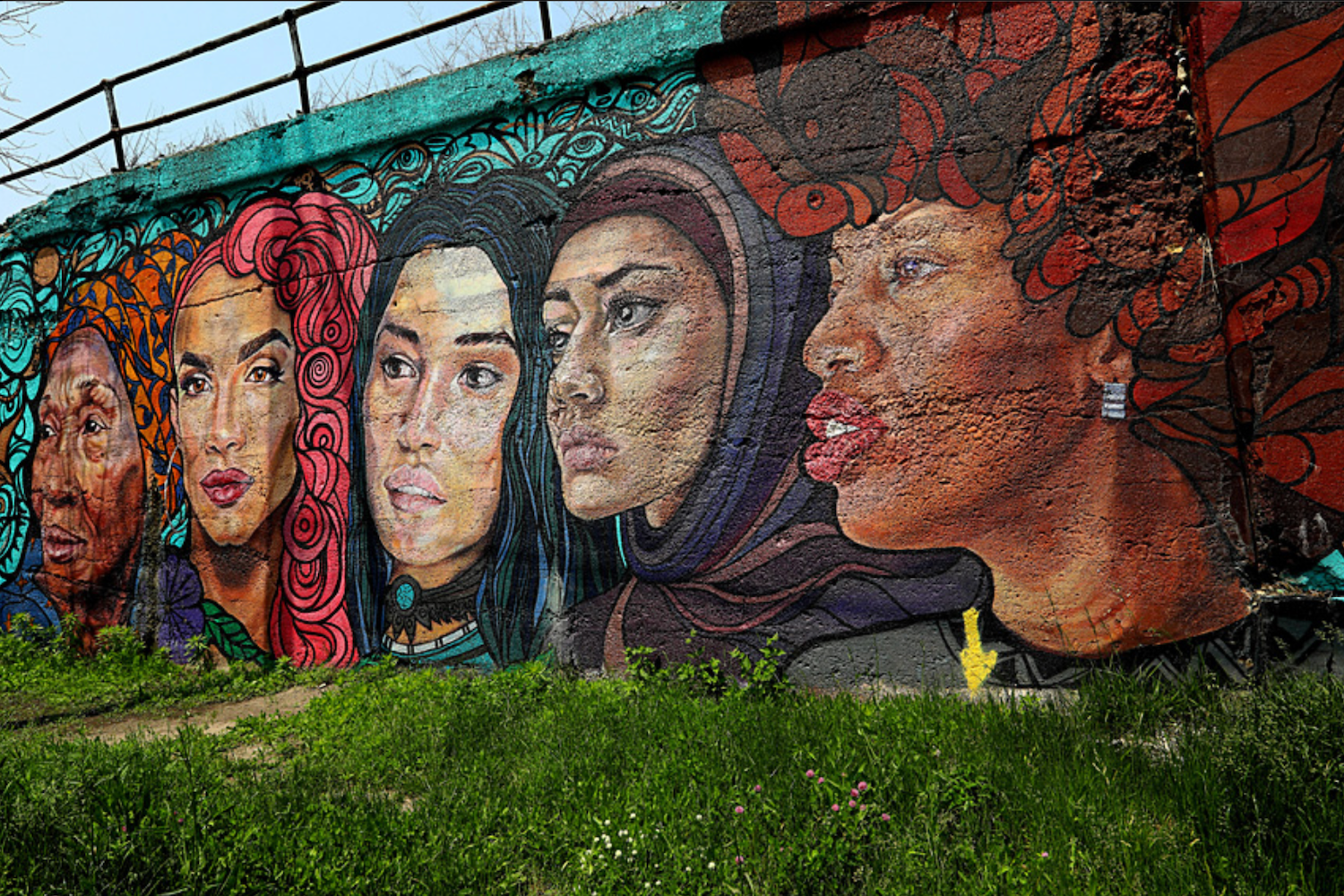
    One of the most significant contributions of public art is its ability to enhance the sense of place. Public art reflects the history, culture, and values of a community, giving residents a tangible representation of their identity. Murals, sculptures, and installations often tell local stories, celebrate cultural heritage, or acknowledge significant events, helping to create a shared understanding of the area’s past and present.

    When communities embrace public art, they also cultivate a stronger attachment to their environment. Public art can serve as a visual landmark, guiding people through neighborhoods and making unfamiliar spaces feel more welcoming. This sense of belonging fosters pride and strengthens the community’s connection to the place they call home. As a result, public art helps transform spaces into vibrant, meaningful areas where people feel more engaged.

    Promoting Social Interaction and Inclusion

    Public art acts as a catalyst for social interaction by bringing people together around shared experiences. It creates public forums where individuals from different backgrounds can engage with art, ideas, and each other. Street festivals, art unveilings, and community workshops centered around public art encourage dialogue and collaboration, building relationships among diverse groups.

    Moreover, public art can promote inclusivity by representing underrepresented communities and celebrating diverse voices. In some cases, artists intentionally create works that reflect cultural diversity, fostering understanding and respect across different social groups. When people see their stories and traditions represented in public spaces, it validates their identity and fosters a deeper sense of community.

    Public art can also encourage community participation. For example, some projects invite local residents to collaborate with artists to create a piece, giving people the opportunity to contribute to something larger than themselves. This participatory approach can result in art that resonates more deeply with the community, as it reflects the collective input and vision of the people who live there.

    Driving Economic Development

    Public art is a powerful driver of economic development. It can help revitalize neighborhoods by attracting visitors, businesses, and tourists. Art installations in public spaces enhance the visual appeal of an area, making it a more attractive destination. For example, districts that feature public art often see increases in foot traffic, which can lead to greater spending at local businesses, cafés, and shops.

    Moreover, public art can serve as a catalyst for tourism. Cities and towns that boast iconic murals, sculptures, or art districts often draw art enthusiasts and tourists, eager to explore these outdoor galleries. The presence of public art has been shown to increase property values, stimulate job creation, and even encourage the development of new infrastructure and businesses.

    Public art also supports the local creative economy by providing work opportunities for artists, curators, and other creative professionals. By commissioning local artists to create public art, communities can foster a sustainable arts economy and provide recognition and compensation for creative talent.

    Stimulating Cultural and Educational Growth

    Public art is a tool for cultural exchange and education. It allows communities to experience art in an accessible, non-intimidating way. Public art initiatives often partner with schools, universities, and cultural organizations to offer educational programs, workshops, and discussions that deepen the understanding of the artwork and its context.

    Art has the power to challenge ideas, provoke thought, and inspire new perspectives. By placing art in public spaces, communities encourage people of all ages and backgrounds to engage with complex themes such as social justice, identity, and environmentalism. These interactions foster critical thinking, build awareness, and spark conversations that lead to positive change.

    Public art also allows for a more inclusive approach to education, especially in areas where people may not have easy access to traditional museums or galleries. By taking art to the streets, public art breaks down barriers and makes culture and creativity more accessible to everyone, regardless of socioeconomic background.

    Promoting Mental Health and Well-being

    Public art has been shown to have a positive impact on mental health and well-being. Beautiful and thought-provoking artwork can help reduce stress, promote relaxation, and foster feelings of happiness. Public art spaces, especially green areas or parks, offer places where people can gather, reflect, and rejuvenate.

    Art can also serve as a form of therapy and healing. For example, installations that deal with themes of loss, resilience, or social challenges can help people process their emotions. Many public art projects focus on healing and reconciliation, using art as a means of bringing communities together after times of crisis, such as natural disasters or social unrest.

    By integrating art into public spaces, communities provide spaces that nurture the emotional and psychological well-being of their residents. When people see art that resonates with them, it not only beautifies the space but also lifts their spirits and creates a sense of hope and optimism.

    Conclusion

    Public art plays a pivotal role in community development by enhancing the sense of place, promoting social interaction, and driving economic growth. It serves as a reflection of local identity, fosters inclusivity, and stimulates both cultural and educational development. As a catalyst for positive social change, public art makes communities more vibrant, connected, and resilient. By investing in public art, communities create spaces that inspire creativity, encourage dialogue, and enhance the well-being of all residents.

    In short, public art is much more than just decoration. It is an essential tool for community building and a powerful vehicle for social, cultural, and economic progress. As cities and towns continue to recognize its value, public art will remain a driving force in creating sustainable, dynamic, and flourishing communities.


  • Tips for Creating a Home Art Studio

    Tips for Creating a Home Art Studio

    Setting up a home art studio can be one of the most rewarding projects for any artist. It provides a dedicated space where you can express yourself freely, experiment with different mediums, and hone your craft. Whether you’re a painter, sculptor, or mixed-media artist, a well-designed studio will make a significant difference in your creative process. In this post, we’ll share some practical tips for creating a home art studio that’s both functional and inspiring, without requiring a huge budget.

    Tips for Creating a Home Art Studio
    Tips for Creating a Home Art Studio

    Choose the Right Space

    The first step in creating a home art studio is selecting the right space. If you have a spare room or basement, that’s ideal, but any underused area can be transformed into a studio. Look for a space that’s quiet, well-ventilated, and allows for plenty of natural light. Natural light is particularly important for visual artists, as it helps you see colors and details more clearly. If your chosen space doesn’t have ample natural light, consider adding bright overhead lighting or adjustable task lamps to ensure good visibility.

    If space is limited, don’t worry—many artists make do with small areas. Even a corner in your living room or a part of your garage can be converted into a functional and inspiring workspace with a bit of planning.

    Invest in Proper Storage

    An organized space is key to maintaining a smooth workflow. Storage is an essential part of any art studio, especially if you work with multiple mediums. You’ll need a system to keep supplies like paints, brushes, canvases, and tools in order, so you can easily access them when needed.

    Consider using shelves, cabinets, or storage bins to organize your materials. For smaller items, such as brushes or drawing tools, invest in drawer organizers or rolling carts. Pegboards are also a great option to keep your tools visible and accessible, and they save valuable workspace by utilizing wall space. Labeling your storage containers or drawers will also help you maintain order and save time searching for materials.

    Create a Functional Workspace

    Your workspace should be designed for maximum comfort and functionality. A sturdy worktable or easel is essential for most artists, so choose one that suits your medium and working style. If you paint, for example, an adjustable easel can help you switch between different canvases and angles comfortably. If you’re a sculptor, ensure your table is large enough to accommodate your work, with ample space for tools and materials.

    Make sure your seating is also comfortable. If you plan on working for long hours, consider an ergonomic chair that supports your posture. Alternatively, a standing desk or a stool might work well if you prefer to work while standing. The goal is to create a workspace that supports your artistic process and minimizes distractions.

    Consider Ventilation and Safety

    For many artists, especially those who work with materials like paints, solvents, or chemicals, proper ventilation is crucial. If your studio is in a basement or a room without windows, you may need to invest in a fan, an exhaust system, or an air purifier to ensure fresh air circulation and remove fumes. For artists working with hazardous materials, a respirator mask is essential to protect your lungs.

    Safety should always be a priority. Keep flammable materials, such as oils and aerosols, in safe, well-ventilated areas. Store them in metal or fireproof containers, away from heat sources. Always have a first aid kit on hand, and if you work with heavy tools, make sure you have the appropriate protective gear, such as gloves, goggles, or aprons.

    Personalize the Space for Inspiration

    An inspiring environment can help stimulate your creativity and encourage you to spend more time in your studio. Personalize your space with things that inspire you, whether it’s artwork, plants, or meaningful objects. Surround yourself with images, colors, or textures that resonate with your artistic vision. Consider creating a mood board or a wall dedicated to visual inspiration, where you can pin photos, sketches, or magazine clippings.

    Adding comfortable elements like a cozy chair, a soft rug, or music can also help make the space feel inviting and conducive to creativity. Don’t forget about storage solutions that can double as aesthetic elements, such as vintage crates for storing brushes or a bold bookshelf to showcase your favorite art books. A well-decorated space will not only help you feel more connected to your art but also motivate you to create every day.

    Stay Flexible and Adaptable

    As you grow as an artist, your needs may evolve. That’s why it’s important to create a flexible studio that can adapt to new materials, projects, or techniques. Use movable furniture or carts to keep your workspace fluid and allow for different arrangements as your needs change. For example, a rolling cart for art supplies can be moved around your space depending on the project you’re working on, while a fold-out table can save space when not in use.

    In addition, make sure to leave room for future growth. If you’re working in a small space, be mindful of the fact that you may want to add more storage or workspace as you accumulate materials over time. A minimalist approach to organizing your tools and supplies will allow you to scale your studio as needed.

    Conclusion

    Creating a home art studio doesn’t have to be a daunting or expensive task. By carefully selecting the right space, investing in functional storage, and designing an environment that encourages creativity, you can build a studio that suits your needs and enhances your artistic process. Prioritize comfort, safety, and personalization, and always keep in mind that a well-organized and inspiring studio will make a world of difference in how you approach your work. The right space can help you feel more focused, productive, and inspired as you explore your artistic journey.