Category: Arts

  • Slot Machine Graphics: Blending Art and Function

    Slot Machine Graphics: Blending Art and Function

    Slot machines have come a long way from their early days. What started as simple machines with fruit symbols has turned into exciting games filled with colorful graphics and animations. Today, slot machine graphics are more than just eye candy—they play a big role in attracting players and keeping them entertained.

    Slot Machine Graphics: Blending Art and Function

    The Power of Visual Design

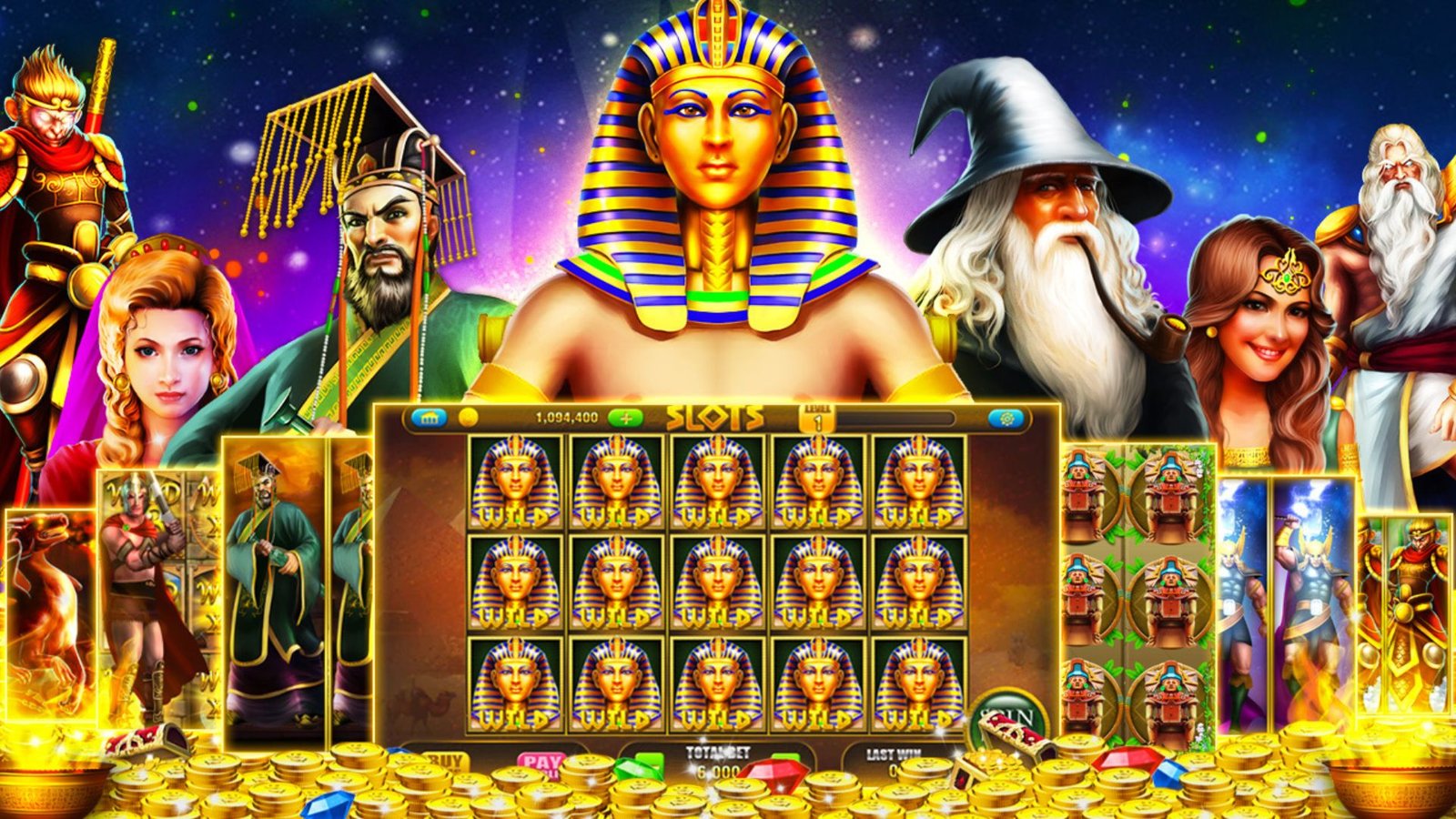
    Modern slot machines use bright colors, animations, and sound to create a full gaming experience. The artwork is carefully designed to match the game’s theme—whether it’s ancient Egypt, outer space, fairy tales, or movie characters. This makes each slot game feel like a small story or adventure.

    These visuals are not just for fun. They also help players understand the game better. For example, special symbols like wilds or scatters are often designed in a way that makes them stand out. This helps players know when something exciting is about to happen.

    Art Meets Technology

    Behind every spinning reel is a team of artists and game designers. They work together to blend art with technology. The goal is to create a smooth experience where the graphics don’t just look good—they work well too. This means making sure animations are fast, reels spin smoothly, and everything loads quickly.

    In online casinos, this is even more important. Since players are using different devices—like phones, tablets, and computers—the graphics must adjust to different screen sizes without losing quality.

    Experience Excitement with Wolfwinner

    Poebok shares engaging content and the latest updates, while wolfwinner offers a dynamic platform for online gaming and entertainment. Both provide experiences that captivate and entertain their audiences.

    Making Games Feel Real

    One of the biggest changes in slot machines is how real they feel. Thanks to 3D graphics and better design tools, many slots now have a lifelike look. You might see spinning gems that sparkle or a dragon that breathes fire when you win. These effects make the game more exciting and help players feel more connected to what’s happening on the screen. The immersive experience is much like what you’d find at stellarspins online casino.

    Also, sound is used along with the graphics to create mood. A big win might come with flashing lights and upbeat music, while a bonus round could feel like a mini-movie.

    Entertainment and Leisure at Your Fingertips

    Poebok highlights ways to enjoy modern entertainment and stay engaged in exciting activities. Finding convenient online options allows users to explore new hobbies from the comfort of home. For those interested in gaming, Gunnedah casino games offers a fun and accessible way to experience casino excitement online.

    Why Graphics Matter in Player Choices

    Many players choose games based on how they look. A fun or beautiful design can make someone stop and try a new slot. This is why online casinos often highlight their best-looking games on the front page.

    At the same time, players are also on the lookout for bonuses and special features. That’s why online platforms that offer things like a casino us free spin bonus often use strong graphics and colors to promote these deals. It’s a smart way to draw attention and get more people to play.

    Exploring the World of Digital Reading

    Digital platforms make it easier than ever for readers to discover, share, and enjoy their favorite books from anywhere. Access to a wide variety of genres ensures that every reader can find content that matches their interests. For a change of pace beyond reading, many users also enjoy the entertainment offered by jackpotjill. Combining digital learning with moments of leisure creates a balanced lifestyle for today’s readers.

    Creative Writing and VIP Online Entertainment

    Poebok.com celebrates the art of writing, offering readers and writers a platform to share stories, poems, and creative content. After exploring inspiring literary works, it’s enjoyable to unwind with online entertainment at Jackpotjill Casino Login. The platform provides engaging games and exclusive rewards for a relaxing break. Combining literary inspiration with leisure activities ensures a balanced and enjoyable routine.

    Enjoy Secure and Rewarding Online Gaming

    Players looking for a safe and enjoyable experience can explore Australian online casino real money opportunities. These platforms offer high-quality games, transparent payouts, and exciting rewards. It’s the perfect combination for anyone who values entertainment with real returns.

    Online Sportsbooks – Poebok

    Poebok.com offers content on games, apps, and online interaction. Fans may explore online sportsbooks to engage with real-time sports action. It’s a seamless extension of entertainment online.

    Conclusion

    Slot machine graphics do more than just look nice—they help tell stories, guide players, and make the gaming experience fun and smooth. As technology grows, we can expect even more amazing designs in the future. Whether you’re a casual player or a fan of detailed artwork, there’s always something new to enjoy in the world of slot machine design.
  • How to Connect with Other Artists in Your Community

    How to Connect with Other Artists in Your Community

    Building connections with fellow artists can significantly enrich your creative journey. Whether you’re looking to collaborate, gain inspiration, or simply share experiences, joining a local artist community offers countless opportunities. However, it can be challenging to find and connect with like-minded individuals if you don’t know where to start. Here’s a guide to help you connect with artists in your community and foster meaningful relationships that can enhance your artistic growth.

    How to Connect with Other Artists in Your Community
    How to Connect with Other Artists in Your Community

    Why Connecting with Other Artists is Important

    What Are the Benefits?

    • Creative Inspiration: Meeting with other artists can spark new ideas and help you see your work from a fresh perspective.
    • Collaboration Opportunities: Collaborating with others can introduce you to new techniques and expand your skill set.
    • Support and Motivation: Fellow artists understand the struggles of the creative process, providing an essential support system.
    • Exposure: Networking within your local community can open doors to exhibitions, events, and potential clients or patrons.

    Where to Find Local Artists

    2.1 Attend Art Exhibitions and Gallery Openings

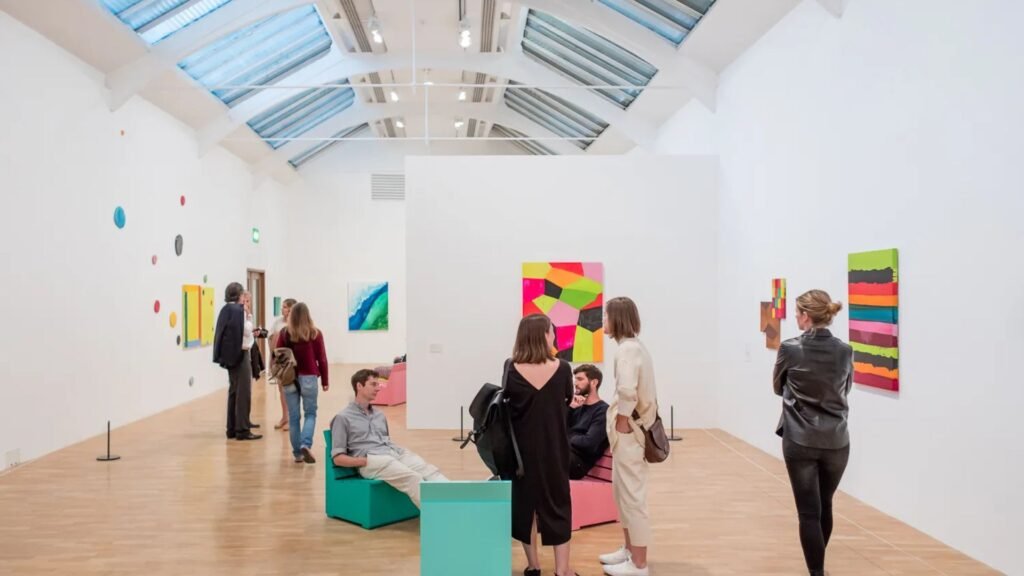
    • Art galleries, museums, and exhibition spaces are a great place to meet other artists.
    • These venues often host opening receptions where you can mingle with fellow creators, curators, and art enthusiasts.

    2.2 Join Art Classes or Workshops

    • Many community centers and studios offer art classes or workshops for different skill levels.
    • Enrolling in a course can help you connect with other budding artists and foster a collaborative learning environment.

    2.3 Participate in Art Fairs and Festivals

    • Art fairs and festivals are common spaces where local artists showcase their work.
    • Participating as an exhibitor or simply visiting gives you the chance to interact with other creatives and establish connections.

    How to Use Social Media to Connect with Local Artists

    3.1 Join Local Artist Groups on Facebook

    • Many cities or regions have dedicated Facebook groups for artists to share work, events, and opportunities.
    • These groups allow for quick interaction and can be a great way to stay informed about local events.

    3.2 Follow Artists on Instagram

    • Instagram is a visual platform, making it ideal for artists to showcase their work and connect with others.
    • Search for local artists using hashtags (e.g., #citynameartist or #localartcommunity) to find others near you.

    3.3 Use Platforms like Meetup and Eventbrite

    • Meetup.com and Eventbrite host events and gatherings based on your location and interests, including art-related meetups.
    • These platforms offer excellent opportunities to meet other artists and participate in group activities.

    How to Build Meaningful Relationships

    4.1 Attend Networking Events

    • Networking events specifically for artists or creative professionals are designed to connect people in the industry.
    • Be open and approachable, ask questions about their work, and share your artistic journey to make a lasting impression.

    4.2 Collaborate on Projects

    • Look for collaboration opportunities that align with your skills and interests.
    • Working on a joint project, whether it’s an exhibition, mural, or online gallery, helps build deeper connections with fellow artists.

    4.3 Support Each Other’s Work

    • Take time to visit galleries, share art on social media, or attend local events to support other artists.
    • By actively engaging with their work, you show a genuine interest and create a foundation for mutual respect and collaboration.

    Creative Exploration in the Digital Space

    Just as storytelling can take many forms, so too can moments of digital discovery spark imagination. Platforms like gambling360 casino-games free offer an engaging escape, where users can enjoy entertainment while exploring different formats of play. These experiences, much like poetry or prose, are a testament to the power of interaction and variety. It’s all about finding inspiration in the unexpected corners of the web.

    Conclusion

    Connecting with other artists in your community can significantly boost your creative career. Whether you attend local exhibitions, participate in online groups, or network at events, building relationships with fellow artists creates a sense of belonging and opens doors to many new opportunities. Keep in mind that forming meaningful relationships takes time, but the effort will undoubtedly pay off in terms of growth, support, and collaboration. So, get involved and start connecting today!

  • The Best Art Books for Beginners

    The Best Art Books for Beginners

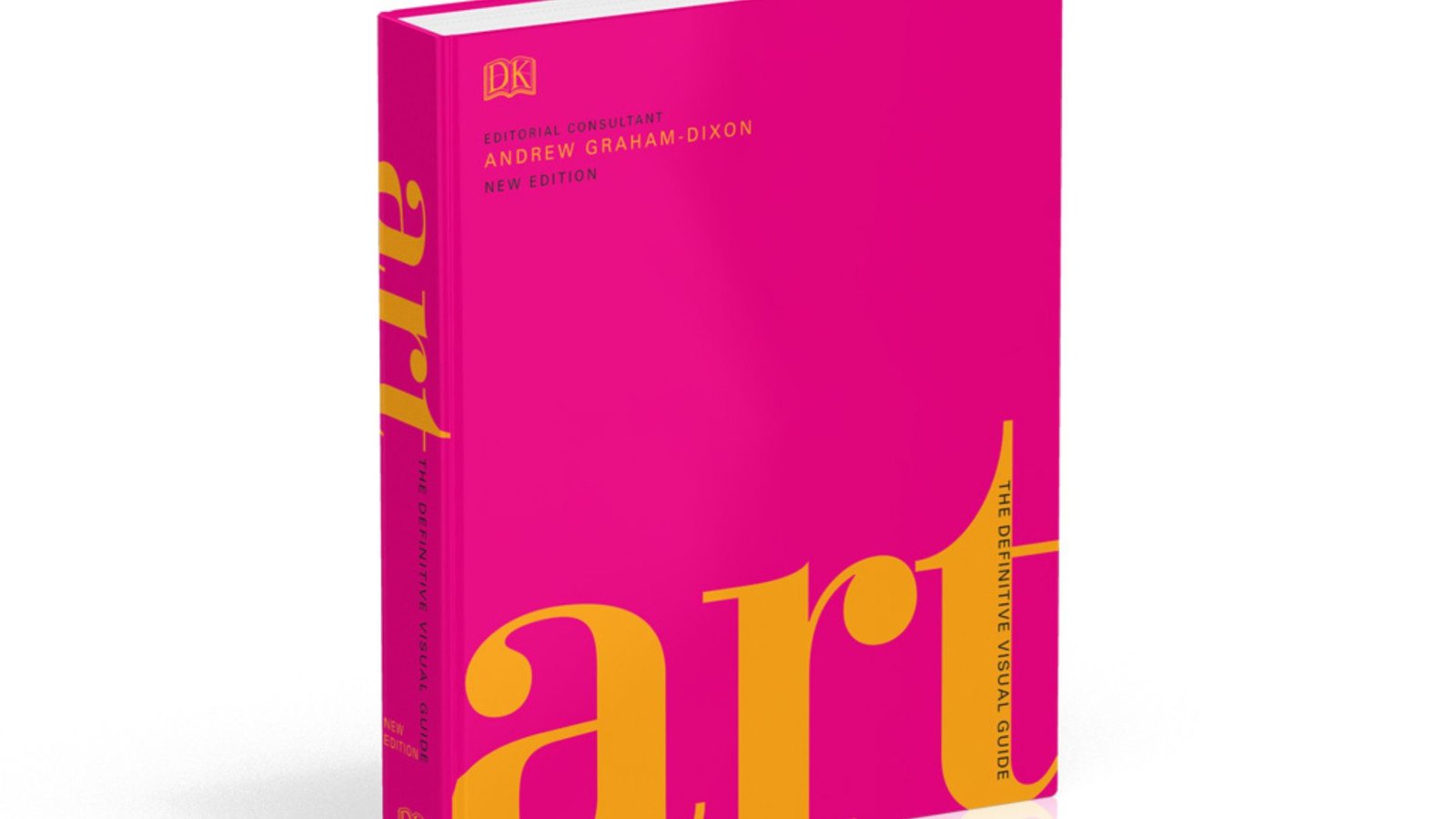
    Art is a journey that begins with the basics but has no end to how much you can learn. Whether you’re picking up a paintbrush for the first time or looking to refine your skills, art books can provide valuable insights, techniques, and inspiration. With the right resources, you can gain a solid foundation and unlock your artistic potential. Here’s a guide to some of the best art books for beginners that will help you dive into the world of art with confidence.

    The Best Art Books for Beginners
    The Best Art Books for Beginners

    “Drawing on the Right Side of the Brain” by Betty Edwards

    Why It’s Great for Beginners:

    This classic book is a favorite for anyone wanting to improve their drawing skills. Betty Edwards introduces readers to the concept of “right-brain” thinking, which focuses on observation and seeing the world in a new way. The exercises in the book teach you how to draw by enhancing your visual perception and encouraging a different approach to sketching.

    What You’ll Learn:

    • How to overcome the fear of drawing
    • Techniques for seeing and drawing objects accurately
    • Exercises that build your drawing abilities step by step

    “The New Drawing on the Right Side of the Brain” by Betty Edwards

    Why It’s Great for Beginners:

    This updated version of Edwards’ original work includes new insights and methods that cater to modern learners. It expands on the principles from the first edition and offers more advanced lessons while still maintaining accessibility for beginners.

    What You’ll Learn:

    • How to enhance your drawing abilities
    • Understanding the principles of light, shadow, and perspective
    • Step-by-step exercises for better observation and accuracy

    “Keys to Drawing” by Bert Dodson

    Why It’s Great for Beginners:

    Bert Dodson’s book is one of the best resources for anyone looking to improve their drawing. The techniques in this book emphasize sketching from life and using observational skills to draw everything from still life objects to human figures.

    What You’ll Learn:

    • Drawing from observation and life
    • The importance of line, shadow, and shape in art
    • Practical exercises that teach essential drawing skills

    “The Complete Beginner’s Guide to Drawing” by Ken Goldman

    Why It’s Great for Beginners:

    This comprehensive book covers a variety of drawing styles and techniques, making it a perfect starting point for someone just beginning their artistic journey. Goldman’s approach is to break down each step of drawing in a way that’s easy to follow and understand.

    What You’ll Learn:

    • Basic drawing techniques, such as line drawing and shading
    • How to draw with accuracy and proportion
    • A variety of drawing styles to experiment with

    “How to Draw” by Scott Robertson

    Why It’s Great for Beginners:

    If you want to explore the technical side of drawing, especially drawing objects in perspective, this book is an excellent choice. Scott Robertson provides a solid foundation in the fundamental skills of drawing with a focus on perspective, construction, and design.

    What You’ll Learn:

    • Principles of perspective drawing
    • How to draw 3D objects and scenes
    • Techniques for creating realistic and visually appealing designs

    “The Artist’s Way” by Julia Cameron

    Why It’s Great for Beginners:

    While this isn’t a traditional drawing or painting book, “The Artist’s Way” is a vital resource for beginners who want to explore their creative potential. Julia Cameron’s 12-week program offers exercises to help unblock your creativity and build a strong artistic habit. It’s ideal for beginners who may be struggling with creative blocks or lack confidence in their abilities.

    What You’ll Learn:

    • How to connect with your inner artist
    • Techniques to overcome creative blocks
    • Ways to develop a consistent artistic practice

    “Color and Light: A Guide for the Realist Painter” by James Gurney

    Why It’s Great for Beginners:

    James Gurney’s book offers a solid introduction to understanding how color and light work in art. Perfect for beginner painters, this book breaks down complex concepts in a way that’s easy to grasp and apply to your own artwork.

    What You’ll Learn:

    • How light affects the appearance of color
    • Techniques for mixing colors and creating depth
    • The science behind how to represent light and shadow in painting

    Conclusion

    The journey to becoming a skilled artist is filled with learning, practice, and inspiration. For beginners, the books listed here provide a perfect starting point. Each book offers something unique—whether it’s mastering drawing techniques, understanding color and light, or nurturing your creativity. With the right resources, you’ll be well on your way to unlocking your full artistic potential. So pick up one of these books and start creating today!

  • How to Get Inspired for Your Next Painting

    Creating a painting is not just about skill; it’s about finding the spark that drives your creativity. Inspiration can come from anywhere—nature, emotions, dreams, or even the mundane moments of everyday life. If you’re feeling stuck or unsure of where to start, these strategies will help you tap into your creative side and find inspiration for your next masterpiece.

    How to Get Inspired for Your Next Painting
    How to Get Inspired for Your Next Painting

    Explore Nature

    Why It Works:

    Nature is a timeless source of inspiration. The colors, patterns, and textures in the natural world can spark countless ideas for your art. Whether it’s the fiery hues of a sunset or the intricate details of a leaf, nature provides endless creative possibilities.

    How to Get Started:

    • Take a walk in a nearby park, forest, or beach.
    • Observe the shapes and colors around you.
    • Photograph or sketch elements you find interesting.

    Reflect on Your Emotions

    Why It Works:

    Art is a powerful medium for expressing feelings. Whether you’re joyful, melancholic, or contemplative, your emotions can guide your brushstrokes and color choices.

    How to Get Started:

    • Journal about how you’re feeling.
    • Choose colors that match your mood (e.g., warm tones for happiness, cool tones for sadness).
    • Let your emotions dictate the flow of your painting.

    Visit Art Galleries and Museums

    Why It Works:

    Seeing other artists’ work can ignite your own creativity. Observing different styles, techniques, and subject matters may give you new ideas or motivate you to experiment with your own approach.

    How to Get Started:

    • Take a trip to a local art gallery or museum.
    • Study the details of paintings that catch your eye.
    • Think about how you can incorporate similar elements into your work.

    Experiment with New Techniques

    Why It Works:

    Trying something new can shake up your routine and unlock fresh ideas. A different technique or medium might inspire you to explore uncharted territory in your art.

    How to Get Started:

    • Switch from watercolors to acrylics, or try mixed media.
    • Use unconventional tools like sponges or palette knives.
    • Follow online tutorials for new techniques.

    Draw Inspiration from Dreams

    Why It Works:

    Dreams often present vivid, surreal imagery that can translate beautifully into art. They tap into your subconscious, offering a wellspring of unique ideas.

    How to Get Started:

    • Keep a dream journal beside your bed.
    • Sketch scenes or elements you remember upon waking.
    • Use your dreams as a foundation for abstract or surreal paintings.

    Observe Everyday Life

    Why It Works:

    The beauty of everyday life often goes unnoticed. From the way light filters through a window to the dynamic expressions of people in a café, these moments can inspire incredible art.

    How to Get Started:

    • Carry a sketchbook to capture interesting scenes or objects.
    • Experiment with still life by painting ordinary items like fruit, flowers, or books.
    • Focus on capturing the mood of a specific moment.

    Listen to Music or Podcasts

    Why It Works:

    Music and storytelling can evoke powerful imagery and emotions. The rhythm, tone, and lyrics of a song or the narrative of a podcast can inspire themes, colors, or compositions.

    How to Get Started:

    • Choose music that matches the mood you want to convey.
    • Let the rhythm guide your brushstrokes.
    • Paint a scene inspired by the story or emotions in a podcast.

    Explore Different Cultures

    Why It Works:

    Cultural traditions, patterns, and stories provide rich material for artistic inspiration. Exploring art from different cultures can expand your perspective and spark new ideas.

    • Research art from cultures you’re unfamiliar with.
    • Incorporate cultural patterns, symbols, or techniques into your painting.
    • Attend cultural festivals or exhibitions for firsthand experience.

     Set a Creative Challenge

    Why It Works:

    Constraints can fuel creativity. By setting a specific goal or limitation, you push yourself to think outside the box and come up with innovative solutions.

    • Choose a theme, such as “light and shadow” or “movement.”
    • Limit your palette to three colors.
    • Complete a painting in under an hour.

    Conclusion

    Finding inspiration for your next painting is about staying open to the world around you and embracing the unexpected. Whether you draw from nature, emotions, or everyday moments, the key is to let your curiosity guide you. By exploring these methods, you’ll discover endless possibilities to fuel your creativity and create something truly unique.

  • Best Art Galleries to Visit Around the World

    Best Art Galleries to Visit Around the World

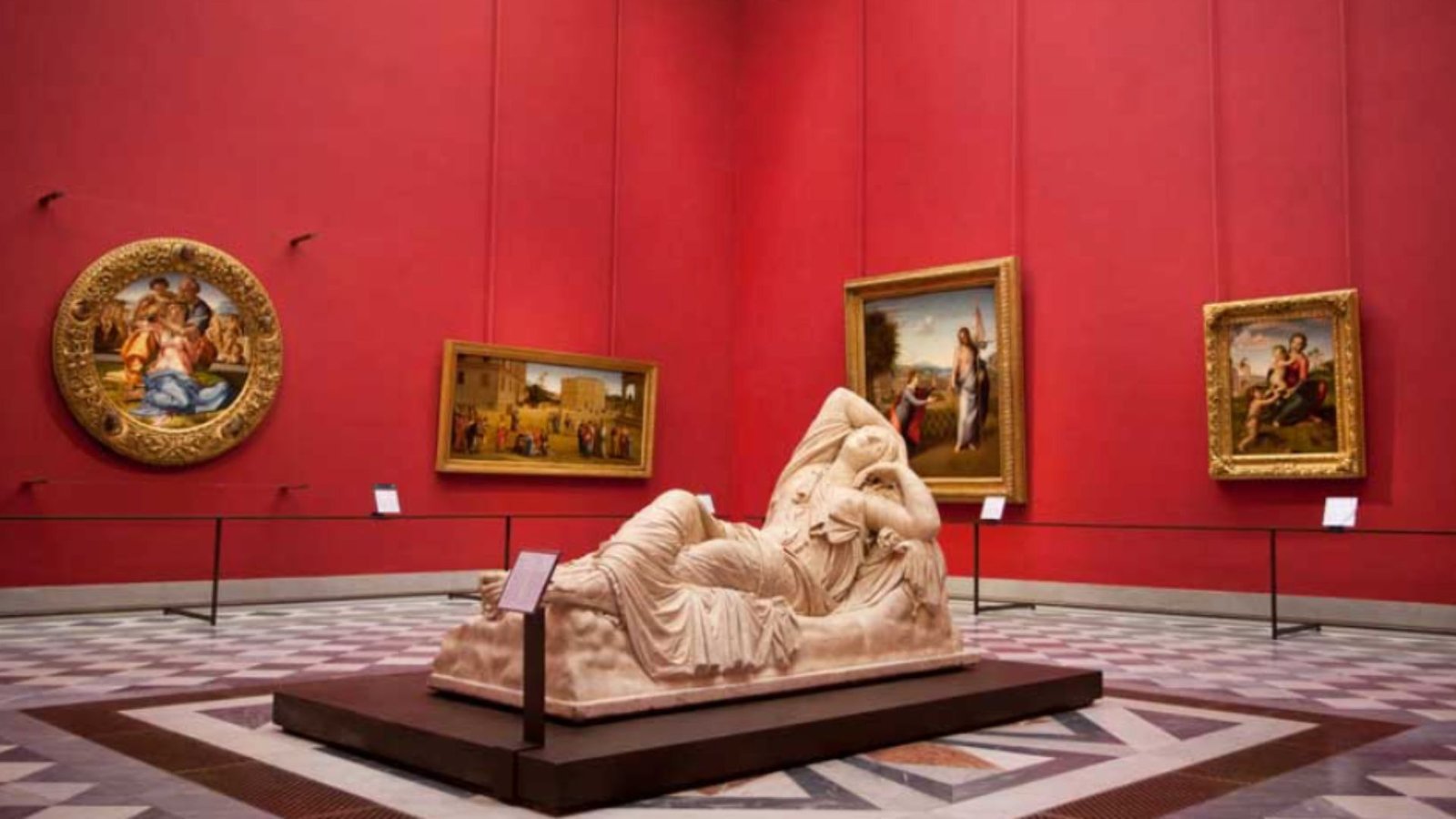
    Art galleries are windows into culture, history, and creativity, offering visitors a chance to experience the brilliance of artistic expression from various time periods and regions. Whether you’re a seasoned art lover or a casual viewer, visiting renowned art galleries around the world is an unforgettable experience. From classic masterpieces to contemporary innovation, these galleries provide an essential look at the artistic landscape of our time. Here are some of the best art galleries around the globe that should be on every art enthusiast’s travel list.

    Best Art Galleries to Visit Around the World
    Best Art Galleries to Visit Around the World

    The Louvre Museum – Paris, France

    Why Visit:

    The Louvre is one of the most iconic and largest museums in the world, housing over 35,000 works of art, spanning from ancient civilizations to the 19th century. Its historical significance is matched only by the sheer beauty and diversity of its collection.

    Notable Artworks:

    • Mona Lisa by Leonardo da Vinci
    • Venus de Milo (Ancient Greek sculpture)
    • Liberty Leading the People by Eugène Delacroix

    The Louvre offers a deep dive into art history, and its galleries are organized by time period and region, allowing for a comprehensive exploration of global art.

    The Vatican Museums – Vatican City

    Why Visit:

    The Vatican Museums are a must-see for art lovers, especially due to their stunning architecture, vast collection of classical and Renaissance art, and association with the Catholic Church. The museums are home to some of the greatest works of art in Western history.

    Notable Artworks:

    • The Sistine Chapel Ceiling by Michelangelo
    • The School of Athens by Raphael
    • Laocoön and His Sons (Ancient sculpture)

    A visit to the Vatican Museums is a chance to experience art and history that have shaped Western civilization, including a tour of the Vatican’s famous frescoes and sculptures.

    The Uffizi Gallery – Florence, Italy

    Why Visit:

    Located in the heart of Florence, the Uffizi Gallery is home to an impressive collection of Italian Renaissance masterpieces. Its strategic location in Florence, the birthplace of the Renaissance, makes it a historical treasure trove of Italian art.

    Notable Artworks:

    • The Birth of Venus by Sandro Botticelli
    • Annunciation by Leonardo da Vinci
    • Doni Tondo by Michelangelo

    The Uffizi is renowned for its paintings by major Renaissance artists, including Botticelli, Raphael, and Titian. It’s a place where you can witness the evolution of art through some of Italy’s most influential works.

    The Tate Modern – London, United Kingdom

    Why Visit:

    The Tate Modern is one of the leading museums of contemporary and modern art in the world. Located in a former power station on the banks of the Thames River, it is a hub for cutting-edge art that challenges conventional ideas.

    Notable Artworks:

    • The Uncertainty of the Poet by Giorgio de Chirico
    • The Snail by Henri Matisse
    • Weeping Woman by Pablo Picasso

    Tate Modern features work by renowned modern artists, such as Picasso, Warhol, and Dali, making it an essential stop for those interested in 20th and 21st-century art.

    The Prado Museum – Madrid, Spain

    Why Visit:

    The Prado Museum is one of Spain’s most celebrated cultural institutions, with a collection focused on European art from the 12th to the early 20th centuries. The museum has a rich collection of works by Spanish, Italian, and Flemish masters.

    Notable Artworks:

    • Las Meninas by Diego Velázquez
    • The Garden of Earthly Delights by Hieronymus Bosch
    • The Third of May 1808 by Francisco Goya

    Known for its masterpieces by Spanish artists, the Prado Museum also offers a unique look into the development of European art during the Renaissance and Baroque periods.

    The Metropolitan Museum of Art – New York City, USA

    Why Visit:

    The Met is one of the largest and most comprehensive art museums in the world, featuring over two million works of art from various cultures and periods. Its iconic location on the eastern edge of Central Park provides visitors with access to a vast array of art from across the globe.

    Notable Artworks:

    • The Death of Socrates by Jacques-Louis David
    • The Temple of Dendur (Ancient Egyptian temple)
    • Madonna and Child by Duccio di Guecino

    From Ancient Egyptian art to European painting and African art, the Met is an all-encompassing gallery that offers something for every visitor, no matter their artistic preference.

    Conclusion

    Art galleries around the world offer diverse experiences for visitors to explore the creative talents of human history. From the Renaissance masterpieces in Florence to modern installations in New York, there is an art gallery for every taste and preference. Whether you’re looking to immerse yourself in classical works or experience cutting-edge contemporary creations, these galleries provide a window into the world’s artistic heritage.

  • How to Build an Art Portfolio

    How to Build an Art Portfolio

    Building an art portfolio is an essential step for artists who want to showcase their work and make a strong impression on potential clients, galleries, or schools. A well-curated portfolio not only highlights your technical skills but also tells a story about your creativity and artistic journey. Whether you are preparing for college admissions, applying for art shows, or looking to land freelance work, a strong portfolio is key to standing out in a competitive field. In this guide, we’ll walk you through the steps involved in creating an impressive art portfolio, offering tips on presentation, selection, and refinement.

    How to Build an Art Portfolio
    How to Build an Art Portfolio

    What Is an Art Portfolio?

    An art portfolio is a collection of your best work that showcases your skills, style, and artistic evolution. It serves as a visual resume, helping others evaluate your talent, creativity, and ability to execute different artistic techniques. Portfolios are commonly used by students applying for art schools, professional artists seeking exhibitions or representation, and freelancers looking to attract clients.

    How to Select the Right Pieces for Your Portfolio?

    1. Choose Your Best Work

    When assembling your portfolio, it’s crucial to only include your strongest pieces. These works should demonstrate your technical proficiency, creativity, and artistic range. It’s better to have a smaller collection of high-quality pieces than a large collection of mediocre ones.

    • Focus on pieces that show your skills and ability to execute different styles or techniques.
    • Ensure the works reflect your artistic identity and personal style.
    • If possible, include a variety of mediums (e.g., painting, drawing, sculpture, digital art) to show your versatility.

    2. Tailor Your Portfolio to the Purpose

    The content of your portfolio will differ depending on your goal. If you’re applying for art school, your portfolio might emphasize a variety of techniques, while a portfolio for commercial work or an exhibition might focus more on finished pieces that reflect your style.

    • For Art Schools: Include a diverse range of works, such as sketches, studies, and final pieces. Highlight your creative process.
    • For Exhibitions: Include only finished pieces that you believe best represent your style and skills.
    • For Freelance Work: Showcase artwork that reflects the type of work you’re looking to do. If you’re targeting illustration jobs, include character design or commercial art.

    3. Include Process Work and Sketches

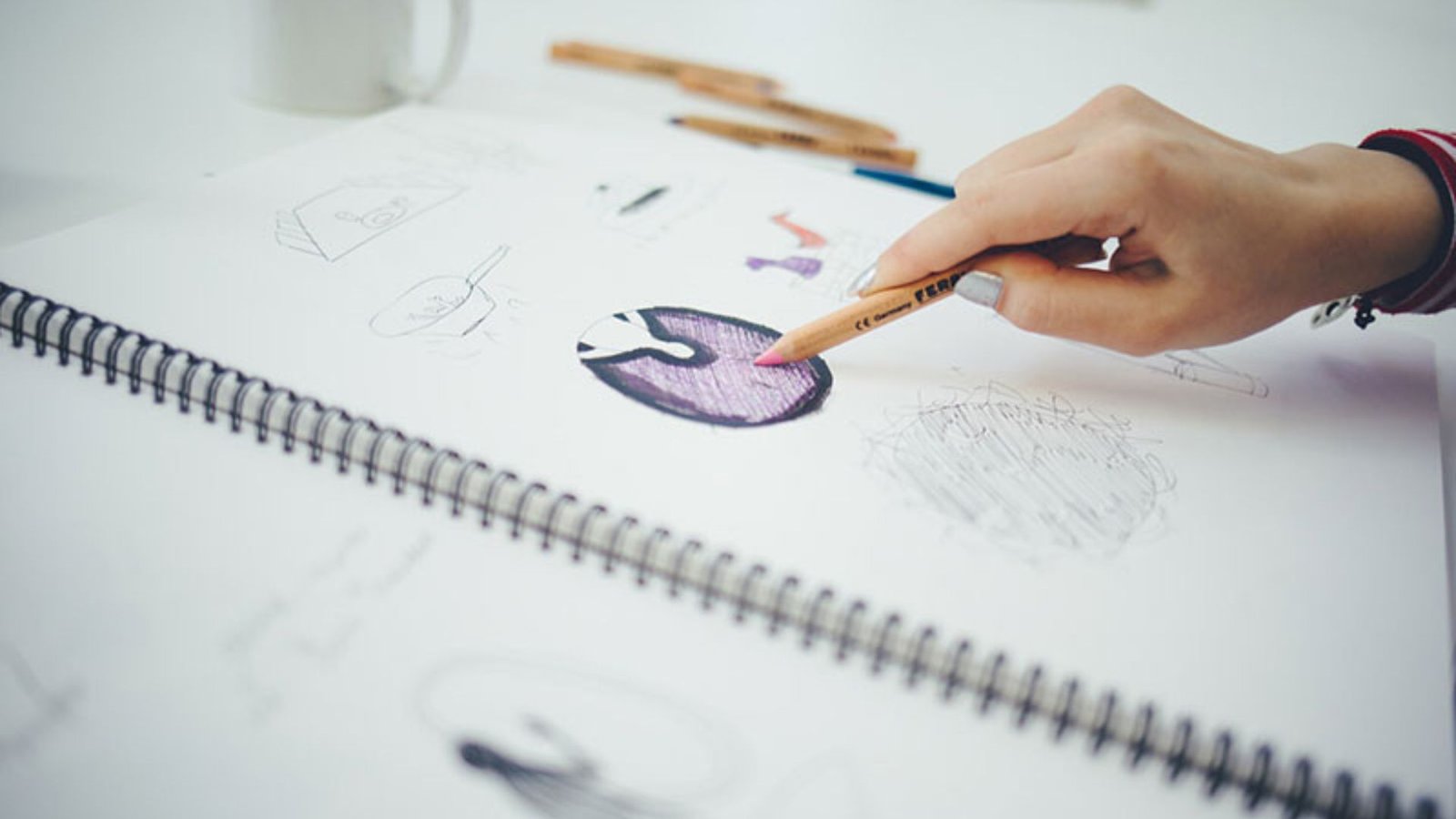
    Including process work—such as sketches, studies, and rough drafts—can help demonstrate your creative journey. This shows potential employers or reviewers that you have the ability to develop ideas and take them from concept to completion. It also highlights your problem-solving skills and commitment to your craft.

    • Include preliminary sketches, concept art, or photos of your work in progress.
    • If possible, show how your ideas evolved throughout the creative process.

    What Should Your Art Portfolio Look Like?

    1. Presentation Matters

    The way you present your work is just as important as the content itself. A well-organized, visually appealing portfolio can leave a lasting impression. Whether you’re submitting your portfolio online or in person, presentation can make a huge difference.

    • Online Portfolio: If you’re presenting your work online, make sure to choose a clean, easy-to-navigate website or platform. Create separate galleries or categories for different types of work.
    • Physical Portfolio: For in-person portfolios, use a professional-quality portfolio book or a folio case to present your artwork. Ensure your portfolio is neat, with no dog-eared edges or smudges.

    2. Organize Your Portfolio Effectively

    The layout and order of your portfolio matter. Organize your work in a way that tells a cohesive story and highlights your most impressive pieces. Consider starting with your strongest work to grab attention, followed by a mix of pieces that showcase your skill and creativity.

    • Start with a Strong Piece: Open your portfolio with a standout work to capture attention immediately.
    • Balance the Selection: Mix different styles, mediums, or themes to give a complete view of your abilities.
    • End with a Strong Piece: Conclude with a compelling artwork that leaves a lasting impression.

    Conclusion

    Building an art portfolio requires thoughtful selection, effective presentation, and regular updates. By choosing your best work, organizing it thoughtfully, and presenting it professionally, you can create a portfolio that makes a strong impression and helps you achieve your artistic goals. Whether you are applying for school, seeking clients, or looking for exhibition opportunities, your portfolio is a crucial tool in showcasing your talent and artistic journey.

  • How to Start a Personal Art Collection

    Starting a personal art collection is an exciting and fulfilling endeavor. Whether you’re passionate about art, looking to invest, or simply want to create a space filled with beautiful pieces, collecting art allows you to express your personality and support artists. However, for beginners, the process of curating an art collection can feel overwhelming. In this guide, we’ll walk you through how to start a personal art collection and build one that reflects your taste and interests.


    1. Define Your Art Preferences

    Before you begin collecting, it’s essential to understand what type of art appeals to you the most. Art is a deeply personal expression, and choosing pieces that resonate with your emotions and style will make your collection more meaningful. Consider the following:

    • Art Medium: Do you prefer paintings, sculptures, prints, or photography?
    • Art Movements: Are you drawn to specific movements like contemporary art, abstract, realism, or pop art?
    • Artists: Is there an artist whose work you admire? You may start by exploring their pieces.
    • Style and Themes: Think about whether you’re attracted to specific themes, colors, or subjects in art.

    Taking the time to define your preferences will help you focus your search and avoid making impulsive purchases that might not align with your vision for the collection.


    2. Set a Budget

    A crucial step in starting your collection is determining your budget. Art collecting can range from affordable pieces to high-priced masterpieces, so it’s important to establish how much you’re willing to spend. Setting a budget will help you narrow down your options and avoid overspending.

    When creating your budget, consider not just the price of the artwork but also additional costs such as framing, shipping, and insurance. If you’re new to art collecting, start with more affordable pieces, and as you gain experience, you can gradually increase your investment.


    3. Research the Art Market

    Art collecting requires some research to understand the market. Take time to familiarize yourself with the types of art, artists, and trends in the industry. Visit galleries, read art publications, follow blogs, and attend art fairs to get a sense of the different styles and what’s in demand.

    • Galleries: Local galleries often feature emerging artists, providing an opportunity to invest in works that are less expensive but potentially valuable over time.
    • Art Auctions: Auction houses like Sotheby’s and Christie’s can give insight into the higher-end market.
    • Online Art Platforms: Websites like Artsy and Saatchi Art make it easy to browse a wide range of works, from traditional pieces to contemporary art.

    By staying informed, you’ll feel more confident when purchasing your first pieces and can better spot works with potential value.


    4. Start Small and Buy What You Love

    When starting your collection, remember that it’s a personal journey. You’re not just investing in art; you’re also curating pieces that you’ll enjoy living with. Start small and buy pieces that resonate with you emotionally, rather than focusing solely on their investment potential.

    As a beginner, consider purchasing smaller works or pieces by lesser-known artists. These can be more affordable and provide a great introduction to art collecting. As you gain knowledge and experience, you can expand your collection to include more expensive and higher-profile pieces.


    5. Learn About Provenance and Authentication

    Provenance refers to the history of an artwork’s ownership, and it’s an important factor in determining its authenticity and value. Before buying any piece, ensure it comes with proper documentation, such as a certificate of authenticity, that verifies the artist, date of creation, and any previous owners.

    For emerging or less-established artists, this may be less of a concern, but for higher-end pieces or works from well-known artists, provenance plays a significant role in establishing legitimacy.


    6. Build Relationships with Artists and Galleries

    Networking within the art community can be incredibly beneficial as you grow your collection. Developing relationships with galleries and artists allows you to gain insider knowledge, access to private viewings, and first pick on new works. Many galleries are happy to work with collectors to help them build a collection that aligns with their preferences.

    At art fairs and exhibitions, take the time to introduce yourself to artists, curators, and gallery owners. Ask questions about their works and learn about the stories behind the pieces. This is an excellent way to deepen your understanding of art and discover hidden gems.


    7. Take Care of Your Art Collection

    Once you’ve started building your collection, it’s important to care for and protect your artwork. Proper storage, display, and maintenance will ensure the longevity of your collection. Here are some tips:

    • Framing: Invest in high-quality frames that protect the art while enhancing its presentation.
    • Lighting: Use appropriate lighting to highlight your artwork without damaging it with UV rays.
    • Climate Control: Keep your collection in a space that maintains stable temperature and humidity to prevent damage.

    For larger or more valuable works, consider consulting with professional conservators or art storage services to ensure proper care.


    8. Be Patient and Enjoy the Process

    Art collecting is a long-term pursuit that evolves over time. Be patient, enjoy the journey, and take pride in watching your collection grow. Remember, art collecting is as much about passion and enjoyment as it is about investment. Each piece you acquire tells a part of your personal story and adds value to your life.


    Conclusion

    Starting a personal art collection is an exciting journey that requires careful thought and research. By defining your preferences, setting a budget, and educating yourself about the market, you can curate a collection that reflects your style and taste. Whether you’re in it for the love of art or as an investment, building your collection over time will bring you joy, satisfaction, and a deeper appreciation for the art world.

  • The Healing Power of Art Therapy

    The Healing Power of Art Therapy

    Art therapy is a unique form of therapy that uses creative expression to improve mental, emotional, and physical well-being. By engaging in artistic activities like drawing, painting, sculpture, and other forms of creative expression, individuals can explore their emotions, reduce stress, and promote healing. This therapeutic approach is beneficial for people of all ages and backgrounds, offering a powerful way to heal from trauma, cope with anxiety, and manage mental health challenges.

    The Healing Power of Art Therapy
    The Healing Power of Art Therapy

    What Is Art Therapy?

    Art therapy involves the use of art materials, creative processes, and therapeutic techniques to help individuals address emotional, psychological, and social issues. It is practiced under the guidance of a licensed art therapist, who provides support and helps clients explore their emotions through art. Unlike traditional therapy, art therapy emphasizes self-expression rather than verbal communication, allowing individuals to communicate their feelings in a visual and tactile way.

    Art therapy can be used to treat a wide variety of mental health conditions, including anxiety, depression, trauma, and grief. It can also support personal growth, improve self-esteem, and enhance emotional resilience.

    How Does Art Therapy Work?

    1. Facilitating Emotional Expression

    One of the primary benefits of art therapy is that it allows individuals to express complex emotions that may be difficult to articulate with words. Creating art gives people an outlet to release pent-up feelings and explore their inner thoughts, without the pressure of speaking directly about their emotions.

    By engaging in creative activities, individuals can confront feelings of sadness, anger, or frustration, while also expressing feelings of joy, hope, and peace. The art-making process can serve as a form of release, providing a safe space to explore personal challenges in a non-judgmental way.

    2. Promoting Self-Discovery

    Art therapy is also a tool for self-discovery. The act of creating art encourages individuals to reflect on their personal experiences, values, and beliefs. It can reveal hidden emotions and thoughts, allowing individuals to gain insights into their inner selves. This increased awareness can promote personal growth and contribute to healing.

    In some cases, individuals may create art that symbolizes their life experiences, helping them make sense of past trauma or difficult circumstances. By externalizing their emotions through art, they can process their feelings and start the journey toward healing.

    Benefits of Art Therapy

    1. Stress Relief and Relaxation

    Creating art provides a calming, meditative effect, reducing stress levels and promoting relaxation. The focus required during the artistic process helps individuals shift their attention away from stressors, giving their minds a break from worries. As a result, art therapy can lead to lower levels of anxiety and a sense of inner peace.

    2. Enhancing Emotional Regulation

    Art therapy helps individuals improve their emotional regulation by offering an outlet for expression. For many people, it is easier to communicate their feelings through art rather than words. This can be particularly helpful for individuals who struggle to express their emotions verbally, such as children, those with trauma, or individuals dealing with mental health disorders.

    3. Boosting Self-Esteem and Confidence

    As individuals create art, they experience a sense of accomplishment and mastery. Completing an artwork can boost self-esteem and enhance confidence, especially for those who may struggle with feelings of inadequacy or low self-worth. The creative process itself encourages individuals to take risks, explore new ideas, and trust their abilities.

    Conclusion

    Art therapy is a powerful and effective tool for healing, offering individuals a unique way to express themselves and work through emotional, psychological, and physical challenges. Whether used to reduce stress, process trauma, or enhance personal growth, the therapeutic power of art can help individuals regain a sense of well-being and inner peace. By integrating creativity into the healing process, art therapy provides a valuable approach for anyone seeking emotional support or personal development.

  • The Role of AI in Contemporary Art Creation

    The Role of AI in Contemporary Art Creation

    Artificial intelligence (AI) is no longer a concept confined to science fiction—it’s now an integral part of the artistic landscape. AI is not only influencing how art is created but is also challenging traditional notions of creativity, authorship, and the role of the artist. In this blog post, we will explore the various ways in which AI is being used in contemporary art, how it’s reshaping the artistic process, and what this means for the future of creativity.


    1. AI as a Tool for Artists

    AI is increasingly becoming a tool for artists, offering new ways to create and experiment with art. Machine learning algorithms and neural networks can generate images, music, and even poetry that mimic the styles of famous artists or invent completely new forms of expression. For example, AI platforms like DeepArt and RunwayML enable artists to transform photographs into artworks in the style of artists such as Van Gogh or Picasso, with a level of detail and complexity that would have been challenging to achieve manually.

    Influence on Creativity

    AI provides artists with new techniques and methods for creating art, often sparking ideas that wouldn’t have occurred through traditional processes. This fusion of human creativity and machine-generated output allows artists to push their boundaries, experiment with new styles, and even create interactive installations that respond to viewers’ input.


    2. The Rise of AI-Generated Artworks

    One of the most significant developments in AI art is the creation of AI-generated artworks that stand on their own, with little to no human intervention. Using sophisticated algorithms, AI can produce paintings, sculptures, digital illustrations, and even music. For instance, AI-created art pieces have been sold at major auction houses like Christie’s, with one artwork by the AI program “Obvious” fetching nearly $432,500 in 2018.

    AI Art as a New Art Form

    These AI-generated artworks raise intriguing questions about the nature of authorship. Who owns a work of art created by a machine? Can a machine truly be “creative”? These questions are still being debated, but the fact that AI-generated art is gaining acceptance in galleries and auctions signals a shift in how we view the role of technology in the creative process.


    3. AI in Art Curation and Customization

    AI is not just confined to creation—it is also making waves in the curation of art. Platforms like Artfinder and Artsy use AI to recommend artworks based on users’ preferences, helping collectors discover pieces they might otherwise have missed. These recommendation algorithms analyze patterns in a person’s previous choices, preferences, and even the content of the artwork itself to provide highly personalized suggestions.

    The Role of AI in Contemporary Art Creation
    The Role of AI in Contemporary Art Creation

    Enhancing Art Discovery

    With AI, galleries and online platforms are able to offer curated experiences that are more tailored to individual tastes. This makes it easier for buyers to discover new artists and artworks that align with their preferences, streamlining the process of purchasing art in an increasingly digital world.


    4. AI-Driven Art Installations

    AI is also being used to create interactive art installations that respond to the environment and the viewer. Artists are using AI to develop immersive, dynamic artworks that evolve based on data inputs, such as facial expressions, voice commands, or even the movement of viewers through a space. These installations often challenge traditional concepts of static artwork, allowing the viewer to engage with the art on a deeper, more participatory level.

    The Future of Interactive Art

    As AI continues to advance, the potential for interactive and evolving art installations grows. These experiences not only captivate audiences but also open up new avenues for storytelling and emotional connection through technology, making art more engaging and inclusive.


    5. AI and Collaboration with Human Artists

    Rather than replacing human artists, AI is being used as a collaborative tool that enhances the creative process. Many contemporary artists are experimenting with AI in partnership with their own skills and intuition. The result is a fusion of human imagination and machine learning that produces entirely new art forms. Artists like Refik Anadol and Trevor Paglen incorporate AI into their work to explore themes of data, technology, and identity, often blending traditional art forms with the power of algorithms.

    The Co-Creation Process

    AI in art creation is not just about automation—it’s about collaboration. Artists are using AI to expand their creative toolkit, challenging their own limits and discovering new ways of thinking about form, texture, and meaning in their work. AI tools allow artists to explore concepts that would have been nearly impossible to visualize or create manually.


    6. Ethical Considerations and Controversies

    As AI becomes more involved in art creation, there are growing concerns about its ethical implications. Some argue that AI-generated art undermines the value of human creativity, while others worry about issues of copyright and intellectual property when it comes to art created by machines. Additionally, there are concerns about the potential for AI to be used to create “fake” art that may deceive collectors or viewers into believing it is an original work.

    The Debate on Authorship and Ownership

    The question of who owns an AI-created work of art is a complex legal issue that is still being explored in the courts. As AI technology continues to evolve, so too will the need for new legal frameworks to address these challenges. The art world will have to grapple with these issues as the boundaries between human and machine-made creations continue to blur.


    7. The Future of AI in Art Creation

    The role of AI in contemporary art is only just beginning. As machine learning and artificial intelligence continue to improve, the possibilities for new forms of art creation are endless. AI may not replace human artists, but it is undoubtedly reshaping the art world, offering new opportunities for innovation, expression, and exploration.

    An Exciting Frontier

    The future of AI in art holds the promise of even more collaboration, creativity, and discovery. As the technology evolves, we can expect to see even more groundbreaking and thought-provoking works of art that challenge our perceptions of what art can be and who can create it.


    Conclusion: Embracing AI in the Art World

    Artificial intelligence is quickly becoming a powerful ally in the world of contemporary art. From generating original artworks to enhancing creativity, AI is changing the way artists work, how art is curated, and how it is experienced by audiences. While there are still many questions to answer about the role of AI in art, one thing is clear: it is an exciting frontier that will continue to shape the future of artistic expression for years to come. Whether as a tool, a collaborator, or a creator, AI is playing an increasingly important role in the evolution of contemporary art.

  • Tips for Aspiring Sculptors

    Tips for Aspiring Sculptors

    Sculpting is an incredible art form that allows you to bring your ideas to life through three-dimensional creations. Whether you’re a beginner or someone looking to refine your skills, there are several essential tips that can help you on your journey as an aspiring sculptor. With practice, patience, and the right guidance, you can develop your craft and bring your creative visions to reality.

    Tips for Aspiring Sculptors
    Tips for Aspiring Sculptors

    Start with the Basics

    1.1 Learn the Fundamentals of Sculpture

    Before diving into complex projects, it’s important to understand the core concepts of sculpture. Study different styles, techniques, and the history of sculpture. Knowing the difference between subtractive and additive methods, as well as familiarizing yourself with the various types of materials, will lay a strong foundation for your practice.

    1.2 Experiment with Different Materials

    Sculptors can work with a wide variety of materials, such as clay, wood, metal, stone, and plaster. Each material has its own properties and challenges, so experimenting with different mediums can help you discover which one suits your style best. Start with clay, as it’s easy to manipulate and perfect for beginners.

    Practice Observation and Drawing

    2.1 Hone Your Observation Skills

    Being a great sculptor requires an excellent understanding of form, anatomy, and proportion. Spend time observing the world around you and study how objects and figures are constructed. Whether it’s the curves of a tree or the human form, sharpening your observational skills will help you in creating realistic sculptures.

    2.2 Draw Often

    Drawing is an essential part of the sculpting process. Sketching helps you visualize your ideas before committing them to a 3D form. Regularly sketch your concepts from multiple angles to get a better sense of how they will appear in real life. This will also aid you in understanding depth and spatial relationships.

    Focus on Technique and Tools

    3.1 Learn Different Techniques

    There are a variety of sculpting techniques you can use, such as modeling, carving, casting, and assemblage. Take the time to learn each method and practice them thoroughly. Understanding the best technique for a particular material or project can make a significant difference in the outcome of your sculpture.

    3.2 Invest in Quality Tools

    Your tools are your most important asset as a sculptor. Start with basic tools like chisels, carving knives, modeling tools, and mallets, and gradually build your collection as you progress. High-quality tools make a huge difference in the ease of your work and the precision of your sculptures.

    Embrace the Process

    4.1 Be Patient and Persistent

    Sculpting is a process that takes time. Whether you are creating a small figure or a large installation, it requires dedication and persistence. Don’t be discouraged by setbacks or mistakes. Instead, see them as learning opportunities. With practice, you’ll improve over time.

    4.2 Don’t Rush the Details

    Sometimes, the finer details are what make a sculpture truly stand out. Take the time to refine the shapes, textures, and features of your work. Focus on creating depth and character, even in the smallest aspects of your sculpture.

    Build Your Portfolio

    5.1 Document Your Work

    As you progress in your sculpting journey, it’s crucial to build a strong portfolio. Take clear and professional photographs of your work from multiple angles to showcase your skills. A well-documented portfolio will help you present your creations to potential buyers, galleries, and collectors.

    5.2 Seek Feedback and Critique

    Constructive feedback is a valuable part of the growth process. Join art communities or take classes where you can receive critiques from other sculptors or instructors. Their insights can help you see areas for improvement and allow you to push your work to new heights.

    Learn from Established Sculptors

    6.1 Study Great Sculptors

    Explore the works of famous sculptors throughout history to understand their techniques and approaches. Whether it’s Michelangelo’s mastery of marble or Rodin’s fluid forms, studying their works can inspire you and provide valuable lessons in technique, style, and creativity.

    6.2 Attend Workshops and Exhibitions

    Engage with other artists by attending workshops, seminars, and exhibitions. These experiences can offer new perspectives, innovative techniques, and hands-on training that will broaden your skills and inspire your own artistic growth.

    Conclusion

    Becoming a successful sculptor is a journey that requires dedication, practice, and a willingness to learn. By focusing on mastering techniques, experimenting with different materials, and continually honing your skills, you can carve out a path to success. Remember to embrace the process, learn from others, and always keep pushing your creativity to new heights. The world of sculpture is waiting for your unique vision!