Category: Electronics

  • Affordable Electronics You Must Have 2025

    Affordable Electronics You Must Have 2025

    The world of electronics is evolving rapidly, with innovations arriving every year. In 2025, many affordable electronics are gaining popularity, offering smart solutions that enhance your life without straining your wallet. Whether you’re upgrading your home, improving your productivity, or enhancing your entertainment, there are many budget-friendly options available. In this post, we’ll explore the affordable electronics you must have in 2025, so you can stay on top of the latest tech trends while staying within your budget.

    Affordable Electronics You Must Have 2025
    Affordable Electronics You Must Have 2025

    Smart Speakers: Affordable and Efficient

    One of the affordable electronics you must have in 2025 is a smart speaker. These devices offer incredible convenience, allowing you to control various smart home devices, play music, and answer questions with just your voice.

    • Voice Assistants: Many smart speakers come with built-in voice assistants like Amazon Alexa, Google Assistant, or Apple Siri. These voice assistants help you manage your daily tasks by setting reminders, making shopping lists, and even controlling your lights and thermostats.
    • Compact and Budget-Friendly Models: There are plenty of affordable options on the market, from entry-level models like the Amazon Echo Dot to Google Nest Mini, offering amazing functionality at a fraction of the price.

    Smart speakers are a must-have for making your home smarter and more efficient, and they’re very affordable in 2025.

    Wireless Earbuds: High-Tech Sound Without the High Price

    Wireless earbuds have become one of the most popular affordable electronics in 2025. They offer a seamless listening experience, whether you’re at the gym, commuting, or working from home.

    • Clear Sound and Comfort: Many brands now offer affordable wireless earbuds that provide clear, high-quality sound with deep bass, without compromising comfort. You can find reliable options from brands like Anker Soundcore and JLab Audio at a budget-friendly price.
    • Long Battery Life: One of the best features of affordable wireless earbuds today is their long battery life. Many models last for several hours on a single charge, and the charging cases make it easy to power up on the go.

    For music lovers or those who need a hands-free solution for calls, wireless earbuds are a practical and affordable tech choice.

    Smart Plugs: Simple Automation for Your Home

    Another affordable electronics that is becoming increasingly popular in 2025 is smart plugs. These devices allow you to turn your traditional appliances into smart devices with just a plug.

    • Control from Anywhere: With a smart plug, you can control the power of lamps, coffee makers, or fans through your smartphone or voice assistant, whether you’re at home or away. They make everyday tasks more convenient, like turning on your lights before you get home or powering off appliances to save energy.
    • Budget-Friendly Options: Many smart plug options fit any budget. Brands like TP-Link and Wyze offer affordable models that are easy to set up and use.

    Smart plugs are an inexpensive way to add automation to your home, making them one of the most affordable electronics you must have.

    Budget-Friendly Fitness Trackers: Stay on Top of Your Health

    Fitness trackers have come a long way, and in 2025, many affordable options help you track your health and stay motivated.

    • Track Your Activity: Affordable fitness trackers, like those from Xiaomi or Fitbit, allow you to monitor your steps, heart rate, and calories burned. These devices also sync with your phone to provide detailed health insights and keep you on track with your fitness goals.
    • Sleep and Stress Monitoring: Many budget-friendly fitness trackers now offer additional features like sleep tracking and stress monitoring, giving you a holistic view of your health.

    Whether you’re looking to improve your fitness or just stay motivated, a budget-friendly fitness tracker is one of the affordable electronics you can rely on.

    LED Smart Light Bulbs: Customize Your Lighting for Less

    One of the most affordable yet impactful electronics for 2025 is LED smart light bulbs. These bulbs offer excellent energy efficiency while also giving you the ability to customize the lighting in your home.

    • Smart Control: With smart bulbs, you can adjust the brightness and color, and even set schedules for when the lights turn on and off. These bulbs can be controlled through an app on your phone or a voice assistant, offering both convenience and energy savings.
    • Affordable Brands: Several budget-friendly brands are offering smart LED bulbs, such as Wyze, Sengled, and LIFX, making it easy to add smart lighting to your home without breaking the bank.

    LED smart light bulbs offer flexibility, energy savings, and convenience, all at an affordable price.

    Budget Laptops: Perfect for Work or School

    In 2025, affordable electronics extend to budget laptops, which have become essential for students, remote workers, and casual users. These laptops provide the right balance of performance and price for everyday tasks.

    • Portable and Efficient: Many budget laptops are lightweight and compact, making them perfect for people on the go. Brands like Lenovo, HP, and Acer offer laptops that run smoothly for tasks like browsing, streaming, and word processing.
    • Good Performance for the Price: While they may not have the same high-end specifications as premium models, budget laptops still deliver excellent performance for everyday use. With longer battery life and reliable processors, these laptops are great for students and professionals alike.

    Affordable laptops are a must-have for those who need a reliable device without the high cost.

    Wireless Charging Pads: Convenient and Clean Charging

    Wireless charging is one of the most convenient ways to power your devices, and in 2025, it’s becoming more affordable than ever.

    • Charge Multiple Devices: Many wireless charging pads now support multiple devices at once, so you can charge your smartphone, smartwatch, and wireless earbuds simultaneously without the mess of cords.
    • Affordable Models: There are many affordable wireless chargers on the market, such as those from Anker and Aukey, that offer great value for money.

    For anyone looking to declutter their space and enjoy a more convenient charging solution, a wireless charging pad is an affordable must-have gadget.

    Conclusion

    As technology continues to advance, affordable electronics are making it easier for everyone to enjoy smart, efficient, and convenient devices. From fitness trackers to smart home gadgets, these affordable electronics can enhance your daily life without costing a fortune. Whether you’re upgrading your tech or just starting, these gadgets are the perfect addition to your collection in 2025. So, take advantage of these affordable options and enjoy the benefits of modern technology today.
  • Comparing Electric and Hybrid Cars

    Comparing Electric and Hybrid Cars

    As the world moves towards cleaner, more sustainable transportation options, comparing electric and hybrid cars are becoming increasingly popular. Both types of vehicles offer significant environmental benefits, but they operate in different ways. If you’re considering switching to an electric or hybrid vehicle, it’s important to understand the differences between the two. In this post, we’ll compare electric cars (EVs) and hybrid cars, exploring their benefits, drawbacks, and how they fit into the future of transportation.

    Comparing Electric and Hybrid Cars
    Comparing Electric and Hybrid Cars

    What Is an Electric Car?

    An electric car, also known as an EV, runs entirely on electricity. It’s powered by an electric motor and uses a large battery pack to store energy. This battery is charged by plugging the car into an electrical outlet or charging station. Electric cars produce zero emissions, making them an environmentally friendly option. They have fewer moving parts than traditional vehicles, meaning less maintenance is required. Popular electric car models include the Tesla Model 3, Nissan Leaf, and Chevrolet Bolt.

    What Is a Hybrid Car?

    A hybrid car combines an internal combustion engine (ICE) with an electric motor. This combination allows the vehicle to use both gasoline and electricity to power the car. The electric motor is used at lower speeds or when idling, while the gasoline engine kicks in for higher speeds or longer distances. Hybrid cars are often referred to as “self-charging” because they recharge their batteries using energy from the gasoline engine and regenerative braking. Examples of hybrid cars include the Toyota Prius, Honda Insight, and Ford Fusion Hybrid.

    Environmental Impact: EVs vs. Hybrids

    Electric cars have a clear advantage when it comes to environmental impact. Since EVs run entirely on electricity, they produce zero tailpipe emissions. This makes them a cleaner option for reducing air pollution and combating climate change. If the electricity used to charge an EV comes from renewable sources, such as solar or wind power, the environmental benefits are even greater.

    Hybrid cars, on the other hand, still rely on gasoline for part of their operation. While they use less fuel than traditional gas-powered vehicles, they still emit some pollutants, although the emissions are lower than those of conventional cars. The fuel efficiency of hybrid cars depends on how often the electric motor is used, but they generally offer better fuel economy than traditional vehicles. While hybrid cars are more eco-friendly than fully gasoline-powered cars, they don’t have the same environmental benefits as fully electric vehicles.

    Fuel Efficiency and Range

    When it comes to fuel efficiency, electric cars have the advantage. Since they run solely on electricity, they don’t require gasoline, making them more energy-efficient than hybrid cars. EVs typically have a range of 100 to 370 miles on a single charge, depending on the model and battery capacity. This range is usually more than enough for most daily commutes and city driving. However, the range may be shorter for older models or lower-priced EVs.

    Hybrid cars, on the other hand, combine electricity and gasoline, which gives them a longer driving range. Hybrid vehicles typically achieve between 40 to 60 miles per gallon (mpg), depending on the model and driving conditions. The gasoline engine kicks in when the electric battery runs low, allowing hybrid cars to continue driving without needing to stop for a recharge. This makes them a good option for long-distance driving or areas with limited charging infrastructure.

    Charging vs. Refueling

    Electric vehicles require access to charging stations, which can be a limitation in areas with limited charging infrastructure. Charging an EV at home can take several hours, but fast-charging stations are available in many locations that can charge the battery to 80% in about 30 minutes. Public charging networks are expanding, making it easier to find charging stations on long trips.

    Hybrid cars, on the other hand, don’t require charging because their electric motor is recharged through regenerative braking and the gasoline engine. This makes hybrids more convenient for drivers who don’t have easy access to charging stations or for those who do a lot of long-distance driving. Refueling a hybrid car is no different from refueling a conventional vehicle, as you simply need to visit a gas station.

    Maintenance and Longevity

    Both electric and hybrid cars have fewer moving parts compared to traditional gasoline-powered vehicles, which means they generally require less maintenance. However, there are differences in the types of maintenance needed for each vehicle.

    Electric vehicles are simpler to maintain because they have no engine oil, exhaust system, or transmission to worry about. The battery pack, which is the most expensive component of an EV, typically lasts between 8 to 10 years or longer, depending on how the vehicle is used. Regular maintenance for EVs includes checking tire pressure, brake pads, and coolant levels for the battery.

    Hybrid cars require maintenance for both the gasoline engine and the electric motor. While hybrid vehicles require less maintenance than traditional cars, they still need to have their oil changed, brakes checked, and other regular engine services performed. The battery in a hybrid vehicle typically lasts around 8 to 10 years but may need to be replaced sooner if the vehicle is driven frequently in harsh conditions.

    Price Comparison

    Electric cars tend to have a higher upfront cost than hybrid cars, largely due to the expensive battery technology used in EVs. However, EVs have lower operating costs because they require less maintenance and don’t rely on gasoline. Additionally, there are government incentives, tax credits, and rebates available in many regions to help reduce the cost of purchasing an electric car.

    Hybrid cars typically cost less than electric vehicles, but they still offer better fuel efficiency and lower emissions than traditional gasoline cars. The initial cost of a hybrid is generally more affordable than an EV, but hybrid owners still need to buy gasoline, which can add up over time.

    Conclusion

    Both electric and hybrid cars offer significant benefits, depending on your driving habits and priorities. Electric vehicles provide a cleaner, more sustainable option with zero emissions, but they require access to charging infrastructure and may have a shorter driving range. Hybrid cars offer better fuel efficiency and longer driving ranges, making them ideal for long trips or areas without widespread charging stations. Ultimately, the choice between an electric and hybrid car comes down to your needs, budget, and commitment to sustainability.


  • Most Popular Electronics Trends This Year

    Most Popular Electronics Trends This Year

    The world of electronics is evolving faster than ever. Every year, new trends emerge that change the way we interact with technology. In 2025, the most popular electronics trends are focused on making our lives smarter, faster, and more connected. From cutting-edge gadgets to revolutionary advancements in existing technologies, the latest trends are set to transform the tech landscape. Let’s dive into the most exciting electronics trends this year.

    Most Popular Electronics Trends This Year
    Most Popular Electronics Trends This Year

    Artificial Intelligence: Powering the Future of Electronics

    One of the most popular electronics trends this year is the integration of artificial intelligence (AI) in everyday devices. AI is no longer limited to high-tech research labs – it’s becoming a part of our daily lives.

    • Smartphones with AI Integration: Many of the latest smartphones feature AI capabilities that improve user experience. From enhanced photo editing to personalized recommendations, AI is making smartphones smarter.
    • AI-Powered Home Devices: Smart speakers, thermostats, and security cameras now come with AI features that adapt to your habits and learn your preferences over time.

    AI is shaping electronics in ways that make devices more intuitive, efficient, and personalized. As AI continues to evolve, we can expect even smarter gadgets in the future.

    5G Technology: Faster, More Reliable Connectivity

    5G technology is one of the most popular electronics trends in 2025, bringing faster internet speeds and more reliable connectivity to devices. With 5G, users can download data faster, stream content without buffering, and enjoy improved communication in both urban and rural areas.

    • 5G Smartphones: The latest smartphones are built to take advantage of 5G networks. Whether you’re gaming, streaming videos, or video chatting, 5G provides lightning-fast speeds for seamless experiences.
    • 5G IoT Devices: The Internet of Things (IoT) is growing rapidly, and 5G is making it even more powerful. Connected devices like smart home gadgets, wearables, and even cars are now capable of faster communication thanks to 5G.

    As 5G technology spreads globally, it will unlock a new era of connectivity and enhance the functionality of electronics across the board.

    Foldable Displays: A New Era for Smartphones and Tablets

    Another exciting trend in the most popular electronics trends this year is the rise of foldable displays. These innovative screens allow for devices that are compact and portable but can unfold to offer larger displays when needed.

    • Foldable Smartphones: The latest foldable smartphones provide the convenience of a phone that fits in your pocket but expands into a larger screen when required. Brands like Samsung and Motorola are leading the charge with foldable phone designs.
    • Foldable Tablets: Similar to smartphones, foldable tablets give users more flexibility.

    Foldable displays are revolutionizing the design of electronic devices, making them more versatile and adaptable to different needs.

    Smart Wearables: Tracking Health and Enhancing Daily Life

    Wearable technology continues to be one of the most popular electronics trends in 2025, with new gadgets designed to help users stay healthy, productive, and connected. These devices are becoming smarter, more accurate, and more stylish.

    • Smartwatches: The latest smartwatches are not just for telling time. They now monitor your heart rate, track your workouts, and even detect stress levels. With more advanced features like blood oxygen tracking, smartwatches are evolving into essential health tools.
    • Smart Glasses: Smart glasses are becoming more popular, allowing users to access information on the go without pulling out their phones. These glasses can show notifications, provide navigation, and even make hands-free calls.

    With smart wearables, electronics are becoming more integrated into our daily lives, helping us stay healthy and productive in new ways.

    Augmented Reality (AR): Blending the Virtual and Real Worlds

    AR technology is increasingly featured in the most popular electronics trends. AR blends the physical world with digital elements, enhancing the way we interact with our environment.

    • AR in Smartphones: Many smartphones now support AR features, allowing users to experience games, shopping, and social media in an entirely new way. With AR, you can try on clothes virtually or see how furniture looks in your home before purchasing it.
    • AR Glasses: Smart glasses with AR functionality are another exciting trend. These glasses display digital information directly in your line of sight, creating immersive experiences for users.


    Sustainable Electronics: Eco-Friendly Gadgets for the Future

    As sustainability becomes more important, eco-friendly electronics are making their way into the most popular electronics trends.

    • Solar-Powered Devices: Solar-powered chargers and gadgets are growing in popularity, offering a renewable energy source to power everything from your phone to outdoor equipment.
    • Eco-Friendly Smart Home Devices: From energy-efficient smart thermostats to sustainable lighting solutions, eco-conscious electronics are helping homeowners reduce their carbon footprint.

    Consumers are increasingly seeking products that align with their values, and sustainable electronics are meeting this demand while benefiting the environment.

    Conclusion

    The most popular electronics trends in 2025 showcase exciting advancements in AI, connectivity, wearables, AR, and sustainability. As technology continues to evolve, the gadgets we use every day will become smarter, more efficient, and more connected than ever before. From foldable phones to AI-powered devices, the future of electronics is incredibly bright, and we can’t wait to see what comes next. Whether you’re upgrading your home, your tech, or your lifestyle, the latest trends in electronics are sure to make a big impact.

  • Best Electronics For Smart Homes Today

    Best Electronics For Smart Homes Today

    Smart homes are becoming more popular every year, and 2025 is no exception. With the best electronics for smart homes today, you can make your living space more efficient, secure, and comfortable. These devices not only enhance your lifestyle but also offer convenience and energy savings. Whether you’re looking to control your lights, thermostat, or security system, there are countless smart gadgets available to help you create the perfect home. Let’s explore the best of them.

    Best Electronics For Smart Homes Today
    Best Electronics For Smart Homes Today

    Smart Thermostats: Control Your Climate Efficiently

    One of the most useful electronics for smart homes is the smart thermostat. These devices learn your preferences and adjust the temperature in your home automatically. You can set schedules, save energy, and ensure that your home is always at the perfect temperature.

    • Nest Learning Thermostat: A popular choice, this smart thermostat learns your schedule and adjusts itself accordingly. It also integrates well with other smart home devices, making it easy to control your entire system.
    • Ecobee SmartThermostat: Another great option, the Ecobee comes with a built-in Amazon Alexa speaker. It offers room sensors to adjust temperatures in different areas of your home.

    Both of these smart thermostats allow you to control your home’s temperature from your phone, ensuring energy efficiency and comfort at all times.

    Smart Lights: Control Your Lighting with Ease

    Lighting plays a crucial role in setting the mood in your home. The best electronics for smart homes include smart lighting systems that give you complete control over your home’s illumination.

    • Philips Hue Smart Bulbs: These bulbs allow you to change the color, brightness, and warmth of your lighting. With easy app control, you can create the perfect atmosphere for any occasion.
    • LIFX Smart Bulbs: Known for their vibrant colors and ease of setup, LIFX bulbs don’t require a hub, making them easy to install and use right away.

    Smart lighting systems help you save energy, improve security by setting lighting schedules, and add ambiance with just a few taps on your phone.

    Smart Security Cameras: Enhance Your Home’s Safety

    Safety is a top priority, and electronics for smart homes today include security cameras that provide peace of mind. Whether you’re at home or away, you can monitor your property in real time through your smartphone.

    • Ring Video Doorbell: This camera not only lets you see who is at the door but also allows you to communicate with visitors remotely. It works well with Alexa for voice control.
    • Arlo Pro 4 Security Cameras: These cameras offer high-definition video, motion detection, and night vision. They are wireless and weather-resistant, making them perfect for both indoor and outdoor use.

    By integrating these security cameras with your other smart devices, you can create a connected and secure home that you can monitor from anywhere.

    Smart Plugs: Automate Your Everyday Devices

    Smart plugs are among the best electronics for smart homes because they make any traditional device smarter. You can turn appliances on or off remotely, set schedules, and save energy without needing to replace your devices.

    • TP-Link Kasa Smart Plug: This plug works with Alexa and Google Assistant. It’s simple to set up and lets you control devices like lamps, fans, and coffee makers remotely.
    • Wemo Mini Smart Plug: Compact and easy to use, this smart plug also works with voice assistants. You can control it using an app or set schedules for your devices.

    These smart plugs are an affordable and easy way to bring more automation into your home without spending on new appliances.

    Smart Speakers: Voice Control Your Home

    Smart speakers are the heart of many smart homes. With just a voice command, you can control lights, thermostats, security systems, and more. The best electronics for smart homes often include smart speakers that serve as both entertainment devices and home assistants.

    • Amazon Echo (4th Gen): The Amazon Echo is one of the most popular smart speakers, offering great sound quality and full integration with Alexa. It can control your smart devices, play music, set alarms, and even answer questions.
    • Google Nest Audio: If you prefer Google Assistant, the Nest Audio delivers excellent sound and smart home control. You can use it to manage devices, check the weather, or stream music.

    Smart Locks: Secure Your Home with Technology

    Smart locks are a great addition to your list of best electronics for smart homes. These locks provide keyless entry, and many can be controlled remotely, making them a convenient and secure option for modern homeowners.

    • August Smart Lock Pro: This smart lock allows you to lock and unlock your door using your smartphone or voice. It also integrates with Alexa, Google Assistant, and other smart home devices.
    • Schlage Encode Smart Lock: Known for its reliability and security features, this lock offers built-in Wi-Fi, so you don’t need a hub to control it remotely.

    With smart locks, you’ll never have to worry about losing your keys again, and you can control access to your home right from your phone.

    Conclusion

    The best electronics for smart homes today offer convenience, efficiency, and enhanced security. Whether it’s controlling your thermostat, lighting, or security cameras, these devices are designed to make your life easier. By integrating these gadgets into your home, you can create a connected environment that fits your lifestyle. From smart thermostats to voice-controlled speakers, there’s a wide range of products that can transform your living space. Embrace the future of home technology and enjoy the benefits of a smart home today!

  • Latest Electronic Gadgets In 2025 Market

    Latest Electronic Gadgets In 2025 Market

    The latest electronic gadgets in the 2025 market are changing the way we live, work, and play. With rapid advancements in technology, we now have access to smarter devices that make our lives easier and more connected. Whether you’re looking for gadgets to improve your home, enhance your entertainment experience, or boost productivity, the latest electronic gadgets in 2025 have something exciting for everyone. Let’s explore some of the coolest innovations you can expect in the near future.

    Latest Electronics Gadgets In 2025 Market
    Latest Electronics Gadgets In 2025 Market

    Smart Home Devices: The Future of Living

    One of the biggest trends in the latest electronic gadgets is the rise of smart home technology. In 2025, we can expect even more advanced smart devices that improve comfort and convenience.

    • Smart Thermostats: These devices learn your preferences and automatically adjust the temperature of your home. As a result, you’ll save energy and maintain an ideal temperature without lifting a finger.
    • Smart Lights: Imagine controlling the lights in your home with just your voice or phone. The latest electronic gadgets now allow you to adjust the brightness, change colors, and even set lighting moods with ease.

    These smart devices are all designed to create a more efficient, energy-saving, and comfortable living environment. They’re perfect for anyone looking to upgrade their home with cutting-edge technology.

    Wearable Tech: Gadgets You Can Take Everywhere

    In 2025, lathe test electronics gadgets are making their way into wearable tech. These devices not only track your health but also keep you connected and entertained while on the go.

    • Smartwatches: The next-generation smartwatches offer more than just timekeeping. These watches can monitor your heart rate, track your fitness goals, and even detect stress levels. Plus, they sync with your smartphone to receive notifications, texts, and calls.
    • Fitness Trackers: These compact devices help you monitor your workouts and health. Expect more accurate heart rate monitoring, sleep tracking, and even blood oxygen level tracking in the latest electronic gadgets.

    As these devices become more advanced, they will continue to blend seamlessly into our daily lives, helping us stay healthy, connected, and informed wherever we go.

    Entertainment Gadgets: Redefining How We Play

    Entertainment is another area where the latest electronic gadgets in 2025 are making a big impact. Whether you’re gaming, watching movies, or listening to music, new tech is taking entertainment to the next level.

    • Virtual Reality (VR) Headsets: The future of gaming and immersive experiences is here. In 2025, VR headsets arwill beore realistic and affordable. These devices allow you to experience video games and movies in 3D environments, making you feel like you’re inside the action.
    • Smart Speakers: Smart speakers continue to evolve. In 2025, expect improved sound quality and better integration with other smart devices. They’ll help you control your home, play music, set reminders, and answer questions with just your voice.

    These latest electronic gadgets in entertainment are designed to keep you engaged, entertained, and connected to the world in new and exciting ways.

    Portable Tech: Convenience on the Go

    The latest electronic gadgets are also making it easier to stay productive while on the move. Portable tech devices have become lighter, more powerful, and easier to carry, giving you flexibility and convenience wherever you go.

    • Portable Power Banks: With the growing reliance on smartphones and tablets, portable power banks are a must-have. These handy gadgets ensure you never run out of battery while traveling or during long days out.
    • Compact Laptops: The latest electronics gadgets now include ultra-lightweight, high-performance laptops. These devices are perfect for anyone who needs a portable computer that can handle work, entertainment, and more while on the go.

    Portable tech continues to evolve in 2025, ensuring that you stay powered up and productive no matter where life takes you.

    Innovative Gadgets for Personal Use

    In addition to the smart home, wearables, and entertainment gadgets, other latest electronic gadgets for personal use are worth mentioning.

    • Smart Glasses: These high-tech glasses can display information right in front of your eyes. Whether you’re navigating a new city or checking the time, they offer hands-free access to the digital world.
    • Wireless Charging Pads: The latest electronic gadgets include sleek, efficient wireless chargers that make charging your phone and other devices easier than ever. Simply place your device on the pad, and it starts charging—no cables needed!

    These innovative personal gadgets are not only practical but also help simplify everyday tasks. As we move into 2025, these types of gadgets will become increasingly common, making our lives smoother and more connected.

    Conclusion

    The latest electronic gadgets in the 2025 market are nothing short of amazing. From smart home devices that make your living space more comfortable to wearable tech that keeps you connected and healthy, these gadgets are designed to improve every aspect of your life. Entertainment is more immersive, and portable tech ensures you’re always ready to work or play, no matter where you are.

    As we look forward to the next few years, the future of electronics seems brighter than ever. With innovation happening at lightning speed, the gadgets of tomorrow are sure to be even smarter, more efficient, and more integrated into our daily routines. So, if you’re excited about the next wave of technology, stay tuned—the latest electronic gadgets of 2025 are just the beginning.

  • Benefits of Electric Vehicles for Urban Areas

    Benefits of Electric Vehicles for Urban Areas

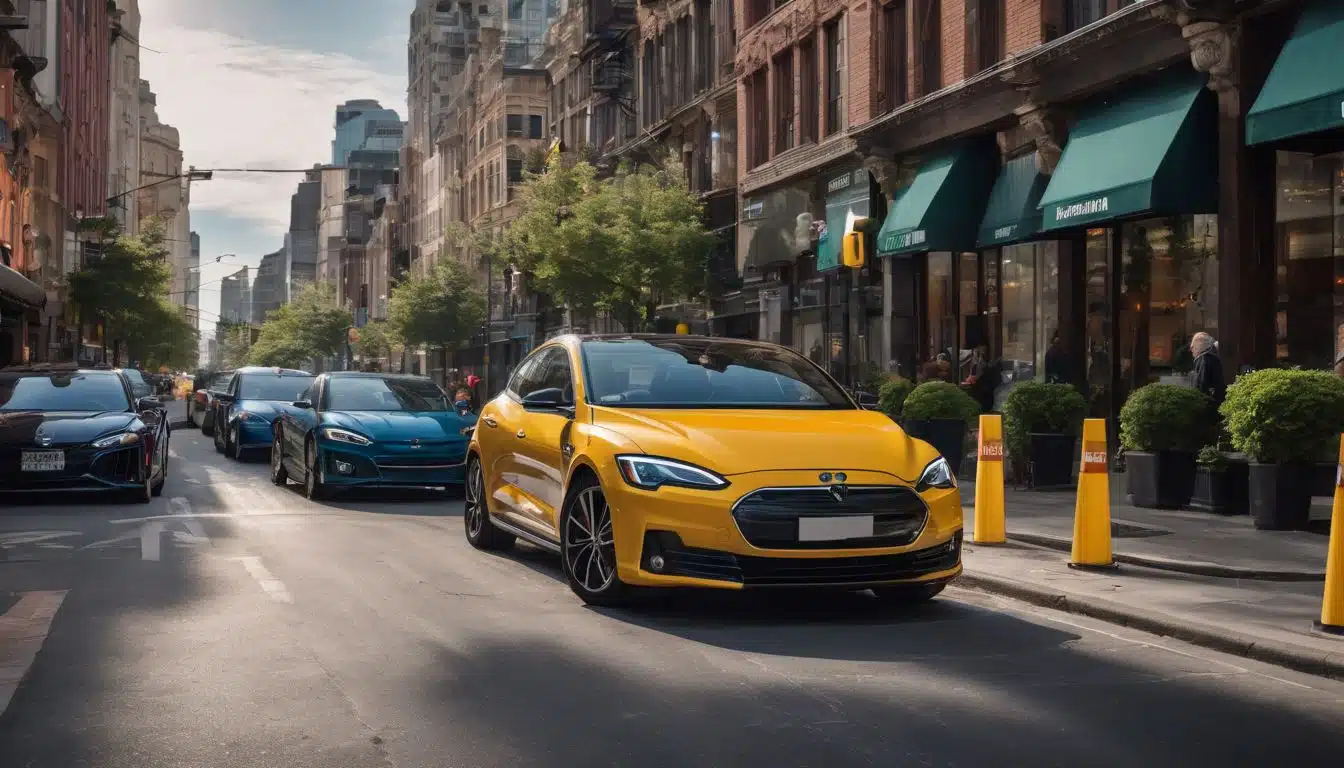
    Electric vehicles (EVs) are quickly becoming a key part of urban transportation. As cities around the world face growing challenges such as traffic congestion, pollution, and limited space, electric vehicles offer solutions that promote cleaner, more efficient, and sustainable urban mobility. In this post, we’ll explore the many benefits that electric vehicles bring to urban areas, including their environmental, economic, and societal advantages.

    Benefits of Electric Vehicles for Urban Areas
    Benefits of Electric Vehicles for Urban Areas

    Reduced Air Pollution

    One of the most significant benefits of electric vehicles in urban areas is their ability to reduce air pollution. Unlike traditional gasoline or diesel-powered cars, EVs produce zero tailpipe emissions. This means no harmful pollutants such as nitrogen oxides, particulate matter, and carbon monoxide are released into the air. In urban environments, where air quality is often compromised due to high traffic volumes, EVs help improve overall air quality and reduce the negative health effects associated with air pollution. As more people adopt electric vehicles, cities can experience cleaner air and healthier living conditions for their residents.

    Lower Noise Pollution

    Electric vehicles are much quieter than conventional vehicles, which helps to reduce noise pollution in urban areas. In busy cities, constant noise from traffic can be a major source of stress and discomfort for residents. EVs, with their electric motors, operate with significantly less noise, especially at lower speeds. This reduction in noise pollution leads to a more peaceful and pleasant urban environment. Less noise also means improved public health, as excessive noise has been linked to increased levels of stress and sleep disturbances.

    Decreased Traffic Congestion

    Electric vehicles can contribute to reducing traffic congestion in urban areas. Many modern EVs are smaller and more compact than traditional vehicles, which means they take up less space on the road and in parking lots. Additionally, the quiet operation of electric vehicles allows for smoother, more efficient traffic flow, especially in busy city centers. Some cities also encourage the use of EVs by offering designated lanes or preferential parking spots for electric cars. By reducing the overall number of larger, gas-powered vehicles on the road, EVs can help alleviate congestion and make city commutes more efficient.

    Cost Savings for Cities

    Electric vehicles offer long-term cost savings for urban areas. While the initial purchase price of an EV can be higher than that of a traditional car, the operating costs are much lower. EVs require less maintenance, as they have fewer moving parts and don’t need oil changes. Additionally, the cost of electricity is typically lower than gasoline, making charging an EV more affordable than refueling a conventional vehicle. In cities, these savings can add up significantly, especially when it comes to public transportation and government fleet vehicles. Over time, municipalities can save money on fuel and maintenance by adopting electric vehicles in their fleets.

    Reduced Dependence on Fossil Fuels

    Electric vehicles help reduce dependence on fossil fuels, which is particularly important in urban areas. Cities are often heavily reliant on gasoline and diesel for transportation, contributing to the demand for oil and the environmental problems associated with fossil fuel use. EVs can be power from renewable energy sources, such as solar or wind power, which reduces the need for fossil fuels and decreases the carbon footprint of urban transportation. By shifting to electric vehicles, cities can promote energy independence, reduce the impact of volatile fuel prices, and encourage the use of cleaner energy sources.

    Improved Health and Quality of Life

    By reducing air and noise pollution, electric vehicles contribute to better public health outcomes in urban areas. Poor air quality in cities is linked to respiratory illnesses, cardiovascular diseases, and other health problems. With fewer harmful emissions from vehicles, EVs can help reduce the number of asthma attacks, heart conditions, and other pollution-related diseases. In addition, quieter streets can lead to less stress and better sleep quality for urban dwellers. Overall, the adoption of electric vehicles improves the quality of life for residents by creating a cleaner, quieter, and healthier environment.

    Sustainable Urban Mobility

    Electric vehicles are key to building a more sustainable urban transportation system. As cities grow, the need for efficient, eco-friendly transportation solutions becomes even more important. EVs are a crucial part of the shift toward sustainable urban mobility, as they offer an environmentally friendly and energy-efficient alternative to traditional vehicles. In addition to EVs, cities can integrate other sustainable transportation options, such as electric buses, bikes, and scooters, to create a comprehensive, eco-friendly transportation network. By investing in electric vehicles, cities can pave the way for a more sustainable, low-carbon future.

    Integration with Smart City Technologies

    The future of electric vehicles in urban areas has close ties to the development of smart city technologies. As cities become more connected through the Internet of Things (IoT), electric vehicles can be integrated with smart infrastructure to improve efficiency and convenience. For example, EVs can communicate with charging stations to optimize charging times and reduce wait times for drivers. Additionally, smart traffic management systems can coordinate with electric vehicles to improve traffic flow and reduce congestion. As urban areas adopt more advanced technologies, the potential for EVs to integrate with smart city solutions will further enhance their benefits.

    Conclusion

    Electric vehicles offer a wide range of benefits for urban areas, from reducing air and noise pollution to decreasing traffic congestion and promoting sustainability. As cities continue to face challenges related to pollution, energy consumption, and urban mobility, EVs provide a promising solution for cleaner, more efficient transportation. By investing in electric cars and supporting the development of charging infrastructure, cities can improve the health, well-being, and quality of life for their residents while reducing their environmental impact. The future of urban transportation is electric, and the benefits are clear.