Category: Electronics

  • The Rise of Subscription Box Services: Should You Try One?

    The Rise of Subscription Box Services: Should You Try One?

    Subscription box services have revolutionized the way we shop, delivering curated products directly to our doorsteps. Whether you’re looking for beauty products, gourmet snacks, pet supplies, or books, there’s likely a subscription box tailored to your interests. But are they worth it? Let’s explore the rise of subscription boxes, their appeal, and whether they’re the right choice for you.

    The Rise of Subscription Box Services: Should You Try One?
    The Rise of Subscription Box Services: Should You Try One?

    What Are Subscription Box Services?

    Subscription box services are a type of e-commerce model where customers receive a package of curated products on a recurring basis, typically monthly. These services cater to various niches, including:

    • Beauty and Grooming: Boxes like Birchbox and Dollar Shave Club offer skincare, makeup, and grooming essentials.
    • Food and Drink: Meal kits like HelloFresh and snack boxes like Graze cater to food lovers.
    • Lifestyle and Hobbies: Services like FabFitFun and Book of the Month deliver items for fitness, wellness, or reading enthusiasts.

    The concept is simple: pay a monthly fee, and enjoy a surprise assortment of products selected for you.

    Why Are Subscription Boxes So Popular?

    The subscription box industry has grown exponentially over the past decade, with its appeal rooted in several key factors:

    2.1 Convenience

    Subscription boxes eliminate the hassle of shopping by delivering products straight to your door. This is particularly beneficial for busy individuals or those who live far from specialty stores.

    2.2 Personalization

    Many services allow you to customize your preferences. For instance, Stitch Fix curates clothing based on your style and size, while Ipsy tailors beauty products to your skin tone and beauty routine.

    2.3 Discovery

    Subscription boxes introduce you to new brands and products you might not have tried otherwise. This element of surprise and discovery keeps the experience fresh and exciting.

    2.4 Value for Money

    Most subscription services offer high-value products at a lower price than buying them individually. This makes them appealing to budget-conscious consumers.

    Types of Subscription Boxes

    The variety of subscription boxes available today is staggering. Here are some popular categories:

    3.1 Beauty and Wellness

    • Birchbox: Features skincare and makeup samples.
    • FabFitFun: Offers full-sized beauty, wellness, and fitness products.

    3.2 Food and Beverage

    • HelloFresh: Delivers pre-measured ingredients and recipes.
    • SnackCrate: Provides international snacks for adventurous foodies.

    3.3 Entertainment and Hobbies

    • Book of the Month: Delivers handpicked books across genres.
    • Loot Crate: Offers collectibles and memorabilia for gamers and pop culture fans.

    3.4 Pet Supplies

    • BarkBox: Caters to dog owners with toys and treats.
    • KitNipBox: Provides goodies for feline friends.

    Pros and Cons of Subscription Boxes

    While subscription boxes have many benefits, they’re not without their downsides. Let’s weigh the pros and cons.

    4.1 Pros

    • Convenience: Products come to you, saving time and effort.
    • Surprise Factor: Opening a subscription box feels like receiving a gift.
    • Cost-Effectiveness: Many boxes offer items worth more than the subscription cost.

    4.2 Cons

    • Recurring Costs: Monthly fees can add up, especially if you subscribe to multiple services.
    • Unwanted Products: Not every item in a box will be to your liking.
    • Environmental Impact: Excess packaging can be wasteful and harm the environment.

    How to Choose the Right Subscription Box

    If you’re considering trying a subscription box, keep these tips in mind to make the best choice:

    5.1 Assess Your Interests

    Pick a box that aligns with your hobbies or needs. Are you a foodie, beauty enthusiast, or fitness buff? Narrowing your focus helps ensure satisfaction.

    5.2 Read Reviews

    Look for customer reviews to gauge the quality, reliability, and value of the subscription service.

    5.3 Start with a Trial

    Many services offer trial boxes or one-time purchases. This allows you to test the waters before committing to a monthly subscription.

    5.4 Consider Your Budget

    Set a budget and stick to it. While some services offer great deals, others can become costly over time.

    Conclusion

    Subscription box services have become a staple in modern shopping, offering a blend of convenience, discovery, and personalization. Whether you’re exploring new hobbies, enhancing your skincare routine, or simply treating yourself, there’s likely a box that fits your needs. By understanding the pros, cons, and types available, you can decide whether subscription boxes are a worthwhile addition to your lifestyle.

  • Benefits of Smart Home Devices

    Benefits of Smart Home Devices

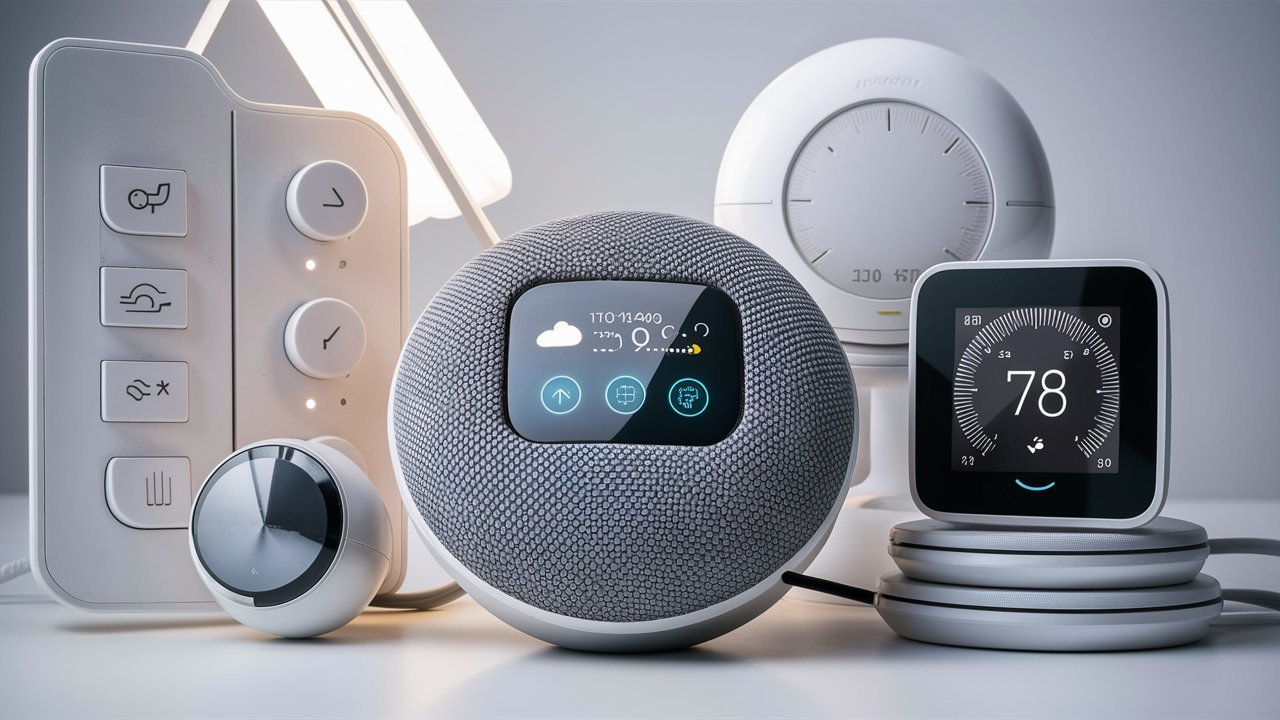
    Smart home devices are transforming how we live, offering convenience, efficiency, and security. These devices connect seamlessly to create a home that works for you. Whether it’s adjusting the thermostat or monitoring security, smart home devices make everyday tasks simpler. In this post, we’ll explore the main benefits of incorporating smart devices into your home.

    Benefits of Smart Home Devices
    Benefits of Smart Home Devices

    Enhanced Convenience

    Smart home devices bring unmatched convenience. With a few taps on your smartphone or simple voice commands, you can control lights, thermostats, locks, and appliances. Smart assistants like Amazon Alexa, Google Assistant, and Apple Siri make managing tasks easier, from setting reminders to playing music. These devices are designed to save you time, letting you focus on more important things.

    For example, smart thermostats automatically adjust the temperature based on your preferences. Lights can turn on or off when you enter or leave a room. All these tasks happen with minimal effort, allowing your home to adapt to your needs automatically.

    Improved Energy Efficiency

    Smart devices can help you save energy and reduce utility bills. Smart thermostats, for instance, learn your schedule and adjust the heating or cooling to match your needs. They reduce energy waste by ensuring that your home is only heated or cooled when necessary.

    Smart lighting also contributes to energy savings. LED bulbs paired with smart controllers can be set to turn off when no one is in the room, further reducing electricity consumption. Many smart devices can be scheduled to operate during off-peak hours, which can help lower energy costs. Over time, these small adjustments lead to big savings on your utility bills.

    As smart home technology continues to evolve, it’s fascinating to see how automation is enhancing convenience in every aspect of modern life. This parallels the seamless experience users seek in other digital sectors, much like those looking for the best sports betting in Australia prioritize reliable and integrated platforms.

    The benefits of smart devices extend beyond simple automation, fostering a more connected and efficient living environment that saves both time and energy.

    Increased Security

    Smart home devices significantly enhance home security. Devices like smart cameras, doorbell cameras, and motion sensors let you monitor your home remotely. You can check your security cameras through an app on your phone, ensuring that everything is safe, even when you’re away.

    Smart locks offer keyless entry, and many can be controlled remotely. You can lock or unlock doors from anywhere, ensuring that you never forget to secure your home. Some smart security systems send real-time alerts if unusual activity is detected, keeping you informed and giving you peace of mind.

    Better Control of Your Environment

    Smart home devices give you greater control over your living space. You can adjust the temperature, lighting, and even the atmosphere with the touch of a button. For instance, smart thermostats allow you to set the perfect temperature for your home without manually adjusting the controls.

    Smart lights allow you to change the color and brightness to match your mood or activities. Whether you want bright lights for reading or a dim atmosphere for movie night, these adjustments can be made remotely. This level of control enhances comfort and makes it easier to create an environment that suits your needs.

    Greater Accessibility

    Smart devices also make homes more accessible. For people with mobility issues or disabilities, voice-activated devices can make life much easier. A person can control lights, locks, and appliances without needing to move.

    For instance, smart assistants allow people to set reminders, play music, or check the weather without using their hands. Smart home technology is creating a more inclusive environment, helping people live more independently and comfortably.

    Future-Proofing Your Home

    Investing in smart home devices is a way to future-proof your home. As technology continues to advance, new smart devices will become available. By setting up a smart home now, you ensure that your house is ready to integrate with future technologies. Smart homes are becoming more common, and adding devices today makes it easier to expand your setup later.

    As new features and improvements are released, your devices can be updated or integrated into a more robust home system. Over time, smart homes will only get smarter, offering even more convenience, control, and energy savings.

    Conclusion

    Smart home devices offer a range of benefits, from enhanced convenience and security to improved energy efficiency. These devices create a home that adapts to your lifestyle, making tasks easier and saving you time and money. As technology continues to evolve, incorporating smart devices into your home becomes a step towards a more efficient, secure, and connected living environment.


  • Top Innovations in Consumer Electronics

    Top Innovations in Consumer Electronics

    The consumer electronics industry is constantly evolving, with new technologies and gadgets being introduced at a rapid pace. From smart devices to AI-powered assistants, the innovations shaping this industry are making life easier, more convenient, and more connected than ever before. In this post, we’ll explore some of the top innovations in consumer electronics that are transforming the way we live, work, and interact with technology.

    Top Innovations in Consumer Electronics
    Top Innovations in Consumer Electronics

    Smart Homes: The Rise of Connected Devices

    One of the most significant innovations in recent years is the development of smart home technology. Devices that were once standalone now work together seamlessly, creating a fully integrated environment. Smart thermostats, lights, locks, and cameras can all be controlled remotely via smartphones or voice commands, allowing for increased convenience and energy efficiency. These devices connect to each other through a central hub, making it easy to create a personalized experience that suits your lifestyle.

    For example, Amazon Alexa, Google Assistant, and Apple HomeKit enable users to control everything from home security to entertainment systems with simple voice commands. With advancements in AI, these devices are becoming smarter, learning from your routines and preferences to offer even more tailored automation. The future of smart homes is moving towards more intuitive and fully connected ecosystems that are designed to make daily life smoother and more energy-efficient.

    Foldable and Flexible Displays

    Foldable smartphones and flexible displays are innovations that have caught the attention of both tech enthusiasts and everyday users. Devices with foldable screens offer the benefits of a large display while still being compact and portable. This innovation is particularly evident in smartphones, where foldable screens are creating new possibilities for mobile computing.

    For instance, the Samsung Galaxy Z Fold and Huawei Mate X offer users the ability to fold their devices into a smaller size while still providing a large screen experience when unfolded. These devices combine the power of a tablet with the portability of a smartphone, offering a seamless experience for users on the go. Additionally, flexible OLED screens are making their way into televisions, wearables, and other electronics, offering even more potential for new product designs and enhanced user experiences.

    Artificial Intelligence (AI) in Consumer Electronics

    Artificial intelligence (AI) is transforming a wide range of consumer electronics. From smartphones to home appliances, AI is being integrated into devices to improve performance, efficiency, and user experience. Virtual assistants like Siri, Google Assistant, and Alexa are powered by AI, enabling them to respond to user commands and learn from interactions to provide smarter, more relevant responses.

    AI is also being used in consumer electronics like smart refrigerators, robot vacuums, and fitness trackers. These devices can analyze user data, anticipate needs, and even optimize functionality to improve daily life. For instance, a smart refrigerator can suggest recipes based on what’s inside, while a robot vacuum can map out a floor plan and clean more efficiently over time. As AI continues to advance, we can expect even more innovative features in consumer electronics that will automate tasks and simplify our lives.

    Wearables: Fitness, Health, and Beyond

    Wearable technology has seen significant innovation in recent years, with devices evolving far beyond simple fitness trackers. The Apple Watch, Fitbit, and Garmin have taken the wearable market to new heights by incorporating health-monitoring features such as heart rate tracking, sleep analysis, ECG readings, and even blood oxygen level monitoring. These devices allow users to track their fitness goals and overall health with greater precision and convenience.

    Furthermore, wearables are now being integrated with other health tech innovations, such as smart clothing and smart glasses. For example, Oura Ring offers advanced sleep tracking and wellness insights, while Google Glass provides augmented reality (AR) capabilities, enabling users to access information directly in their line of sight. Wearables are also becoming more connected, syncing data across devices to provide a comprehensive picture of health and wellness, making them an essential part of modern life.

    5G Connectivity: Speed and Efficiency

    5G technology is one of the most anticipated innovations in the consumer electronics space, promising to revolutionize the way we connect to the internet and interact with devices. With speeds up to 100 times faster than 4G, 5G allows for smoother streaming, quicker downloads, and enhanced performance for everything from smartphones to smart homes.

    In addition to faster speeds, 5G offers improved reliability and reduced latency, which will be especially beneficial for Internet of Things (IoT) devices, autonomous vehicles, and augmented reality (AR) experiences. With the rollout of 5G networks worldwide, consumers will soon see even more innovative products and services that rely on this ultra-fast connectivity. The potential for new technologies, like real-time communication and cloud-based gaming, will push the boundaries of what’s possible in consumer electronics.

    Virtual Reality (VR) and Augmented Reality (AR)

    Virtual reality (VR) and augmented reality (AR) are two of the most exciting innovations in consumer electronics, providing immersive experiences that blur the lines between the digital and physical worlds. VR allows users to fully immerse themselves in digital environments, making it ideal for gaming, education, and training applications. The Oculus Quest and PlayStation VR are popular devices that allow users to step into entirely new worlds, whether for gaming or interactive experiences.

    On the other hand, AR enhances the real world with digital overlays, creating interactive and informative experiences. AR is already being used in applications like navigation, retail, and education. Devices like Microsoft HoloLens and Apple’s ARKit are making it easier for developers to create AR experiences that can be accessed through smartphones, tablets, and smart glasses.

    The combination of VR and AR has the potential to change how we work, learn, and interact with the world. With innovations in these technologies, we can expect more immersive and engaging experiences in consumer electronics across various sectors.

    Conclusion

    The world of consumer electronics is constantly evolving, with innovations that improve efficiency, enhance connectivity, and redefine how we live. From the rise of smart homes and wearables to advancements in 5G and AI, these technologies are transforming everyday experiences. As new innovations continue to emerge, the potential for more seamless, integrated, and intelligent devices is limitless. Staying up-to-date with these trends ensures that we are prepared for the future of consumer electronics and the exciting possibilities they offer.


  • What to Expect from Next-Generation Smartphones

    What to Expect from Next-Generation Smartphones

    Smartphones are evolving at a rapid pace, with each generation bringing innovative features and cutting-edge technologies. The next wave of smartphones promises exciting developments that will redefine how we interact with our devices. Here’s a glimpse into what you can expect from next-generation smartphones.

    What to Expect from Next-Generation Smartphones
    What to Expect from Next-Generation Smartphones

    How Will Smartphone Displays Change?

    1. Foldable and Rollable Screens

    • Foldable Displays: Brands like Samsung and Huawei are refining foldable technology, creating devices that transition seamlessly between smartphone and tablet sizes.
    • Rollable Screens: Emerging prototypes showcase screens that expand horizontally or vertically, offering a futuristic and space-saving design.

    2. Higher Refresh Rates and Resolutions

    • Expect smoother animations and more vibrant visuals with displays offering up to 144Hz refresh rates and 4K resolutions.
    • Advanced OLED and MicroLED technology will deliver brighter screens with better color accuracy and energy efficiency.

    How Will Performance Improve?

    1. Advanced Processors

    Next-generation chipsets, such as Qualcomm’s Snapdragon 8 Gen 3 and Apple’s A17 Bionic, promise faster speeds, better multitasking, and improved AI capabilities.

    2. Enhanced RAM and Storage

    Smartphones will feature more RAM (up to 16GB or higher) and advanced storage options like UFS 4.0, enabling quicker data access and smoother performance.

    3. AI-Powered Efficiency

    AI integration will optimize battery life, manage apps intelligently, and provide a more personalized user experience.

    What Are the Camera Innovations?

    1. Computational Photography

    • Improved AI algorithms will enhance photo quality, even in challenging conditions.
    • Real-time adjustments for color balance, sharpness, and exposure will become more precise.

    2. Higher Megapixels and Improved Sensors

    • Cameras with resolutions exceeding 200MP will deliver unparalleled detail.
    • Larger sensors will improve low-light performance, providing crisp and clear shots in any setting.

    3. Advanced Zoom Capabilities

    • Periscope zoom lenses will allow for up to 10x optical zoom without losing quality.
    • Hybrid zoom technology will combine optical and digital zoom for extended range.

    What Connectivity Upgrades Can We Expect?

    1. 5G Evolution

    • Faster 5G connectivity with reduced latency will improve gaming, video streaming, and downloads.
    • Enhanced 5G modems will also improve power efficiency.

    2. Wi-Fi 7 and Beyond

    • The next generation of Wi-Fi technology will offer faster speeds, reduced interference, and better handling of multiple devices.

    3. Satellite Connectivity

    • More brands will introduce satellite-based communication features, allowing calls and messages even in remote areas without cellular coverage.

    How Will Batteries and Charging Evolve?

    1. Longer Battery Life

    • Enhanced battery materials, like solid-state technology, promise longer lifespans and greater capacity.

    2. Faster Charging

    • Expect ultra-fast charging speeds, with some devices capable of reaching full charge in under 15 minutes.
    • Wireless charging will become more efficient and widely available.

    What Role Will AI Play?

    1. Personalized Experiences

    AI will make smartphones more intuitive, adapting to your usage habits and providing smarter suggestions.

    2. Advanced Voice Assistants

    Voice assistants like Siri, Google Assistant, and Alexa will gain more natural language understanding and expanded functionality.

    3. Security Enhancements

    AI-driven security features, like facial recognition and on-device threat detection, will become more sophisticated.

    What Are the Sustainability Efforts?

    1. Eco-Friendly Materials

    Smartphone manufacturers are increasingly using recycled materials in their devices and packaging.

    2. Longevity and Repairability

    Brands are focusing on longer-lasting devices with better software support and easier repairability to reduce e-waste.

    How Will Smartphones Revolutionize Interaction?

    1. Augmented Reality (AR) Features

    AR capabilities will become mainstream, with better support for apps and experiences like AR navigation and gaming.

    2. Haptic Feedback Enhancements

    Tactile feedback will become more immersive, enhancing gaming and typing experiences.

    3. Gesture and Voice Controls

    Touchless interaction through gestures and voice will make devices more convenient and accessible.

    Conclusion

    The next-generation smartphones are set to deliver groundbreaking features in display technology, performance, connectivity, and sustainability. Whether it’s foldable screens, AI-driven efficiency, or eco-friendly designs, these devices will redefine the way we live and interact with technology.

  • How to Choose the Right Smartwatch for Your Lifestyle

    How to Choose the Right Smartwatch for Your Lifestyle

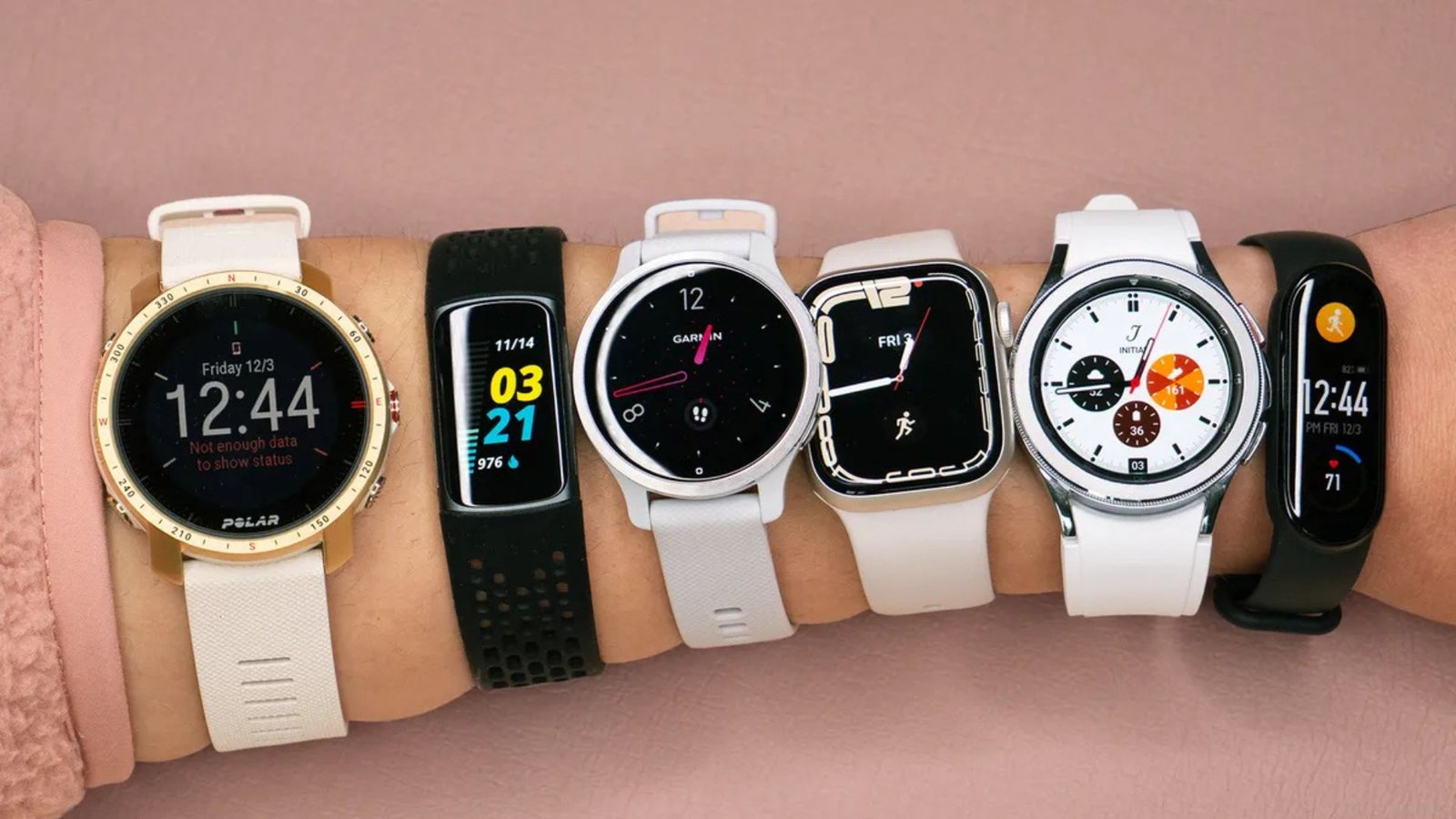
    Smartwatches have become an essential gadget for modern living. They offer convenience, track fitness, and connect seamlessly to your digital life. But with so many options, how do you choose the right one? Here’s a guide to help you pick the perfect smartwatch for your lifestyle.

    How to Choose the Right Smartwatch for Your Lifestyle
    How to Choose the Right Smartwatch for Your Lifestyle

    What Do You Need in a Smartwatch?

    1. Fitness Tracking or General Use?

    Determine how you’ll use your smartwatch.

    • For Fitness Enthusiasts:
      Look for features like heart rate monitoring, GPS tracking, step counting, and workout modes. Popular models include the Garmin Forerunner series and Fitbit Sense.
    • For Everyday Use:
      Choose models with robust app ecosystems, notifications, and customizable watch faces. The Apple Watch and Samsung Galaxy Watch are great options.

    2. Do You Need Compatibility with Your Devices?

    Smartwatches work best when paired with compatible devices.

    • For iPhone Users:
      The Apple Watch offers seamless integration with iOS devices.
    • For Android Users:
      Consider the Samsung Galaxy Watch or Wear OS devices like the Google Pixel Watch.
    • Cross-Platform Compatibility:
      Some smartwatches, like Fitbit and Garmin, work well with both iOS and Android.

    Key Features to Look For

    1. Battery Life

    Battery life is crucial, especially if you plan to use your smartwatch for fitness tracking or long trips.

    • Long Battery Life:
      Look for models like the Amazfit Bip or Garmin Instinct that can last several days.
    • Daily Charging:
      High-functioning models like the Apple Watch may need daily charging due to advanced features.

    2. Health and Wellness Features

    Smartwatches now come with a wide range of health-focused tools.

    • Basic Features:
      Heart rate monitoring, step counting, and sleep tracking.
    • Advanced Features:
      Blood oxygen monitoring (SpO2), electrocardiograms (ECG), and stress tracking are available in high-end models like the Fitbit Sense or Samsung Galaxy Watch.

    3. Style and Comfort

    A smartwatch is not just functional; it’s also a style statement.

    • Customization:
      Choose models with interchangeable straps and customizable watch faces.
    • Comfort:
      Ensure the smartwatch is lightweight and fits your wrist snugly, especially for all-day wear.

    Specialized Smartwatches for Unique Needs

    1. Outdoor Adventurers

    If you love hiking or outdoor sports, look for rugged models.

    • Features like GPS, altimeters, and waterproofing are essential.
    • Consider models like Garmin Fenix or Suunto.

    2. Fashion-Forward Users

    Prefer style over extensive tech features?

    • Look for watches from brands like Fossil and Michael Kors, which offer sleek designs with basic smart functionality.

    3. Kids and Elderly Users

    For safety and basic functionality:

    • Kids’ smartwatches, like the Verizon GizmoWatch, include GPS tracking and limited calling features.
    • Watches for elderly users, such as those with fall detection and emergency SOS, are ideal for added security.

    Budget Considerations

    Smartwatches range from budget-friendly to high-end.

    • Affordable Options:
      Xiaomi Mi Band and Amazfit Bip offer excellent features at a low cost.
    • Premium Models:
      Apple Watch Ultra, Samsung Galaxy Watch 6, and Garmin Epix come with advanced functionalities and polished designs.

    How to Narrow Down Your Choice

    Step 1: Define Your Priorities

    Do you need fitness tracking, notifications, or style? List your must-have features.

    Step 2: Research Compatible Models

    Check reviews and compatibility with your smartphone.

    Step 3: Try Before You Buy

    Visit a store to test the watch for comfort and ease of use.

    Conclusion

    The right smartwatch should complement your lifestyle, offer practical features, and suit your budget. Whether you’re into fitness, adventure, or tech-savvy convenience, there’s a smartwatch designed for you. Take the time to explore your options and find the perfect match.

  • How to Protect Your Devices from Malware

    How to Protect Your Devices from Malware

    Malware threats are constantly evolving, making it crucial to safeguard your devices. With a proactive approach, you can secure your data and keep your systems running smoothly. Here’s a comprehensive guide on how to protect your devices from malware.

    How to Protect Your Devices from Malware
    How to Protect Your Devices from Malware

    What Is Malware and Why Should You Care?

    Malware, short for malicious software, includes viruses, ransomware, spyware, and other harmful programs. It can:

    • Steal personal data.
    • Corrupt files.
    • Slow down your devices.
    • Lead to identity theft or financial losses.

    Understanding how malware spreads is the first step in preventing it.

    1. Keep Your Software Updated

    Why Are Updates Important?

    Outdated software often has vulnerabilities that hackers exploit. Regular updates fix these weaknesses.

    How to Keep Software Updated:

    • Enable automatic updates for your operating system and apps.
    • Regularly check for updates on your browser and antivirus software.
    • Update plugins and extensions, especially those for online browsing.

    2. Install Reliable Antivirus Software

    How Does Antivirus Software Help?

    Antivirus programs detect, quarantine, and remove malware from your devices.

    Features to Look For in Antivirus Software:

    • Real-time protection against threats.
    • Regular database updates to detect new malware.
    • Firewall integration for additional security.

    Popular antivirus options include:

    • Norton Antivirus
    • Bitdefender
    • McAfee

    3. Avoid Suspicious Links and Downloads

    Why Is This Critical?

    Malware often spreads through:

    • Phishing emails with malicious links.
    • Fake software downloads.
    • Unsecured websites.

    Tips to Stay Safe:

    • Verify the sender before clicking on links in emails.
    • Avoid downloading files from untrusted sources.
    • Use secure websites (look for HTTPS in the URL).

    4. Use Strong and Unique Passwords

    How Do Passwords Protect You?

    Weak passwords make it easier for attackers to access your accounts and devices.

    Tips for Strong Passwords:

    • Use a mix of uppercase, lowercase, numbers, and symbols.
    • Avoid using common words or sequences like “123456.”
    • Change your passwords regularly.
    • Consider using a password manager to store and generate strong passwords.

    5. Enable Two-Factor Authentication (2FA)

    What Is 2FA?

    Two-factor authentication adds an extra layer of security by requiring a second form of verification, such as a code sent to your phone.

    How to Use 2FA:

    • Enable it on your email, banking, and social media accounts.
    • Use authentication apps like Google Authenticator for added security.

    6. Be Cautious on Public Wi-Fi

    Why Is Public Wi-Fi Risky?

    Hackers can intercept data on unsecured networks, making your device vulnerable.

    How to Protect Yourself:

    • Avoid accessing sensitive information on public Wi-Fi.
    • Use a Virtual Private Network (VPN) to encrypt your data.
    • Turn off automatic Wi-Fi connections on your devices.

    7. Regularly Back Up Your Data

    How Do Backups Help?

    In case of a malware attack, backups ensure you can recover your files without paying ransom or losing critical data.

    Best Practices for Backups:

    • Use cloud storage services like Google Drive or Dropbox.
    • Create offline backups on external hard drives.
    • Set a schedule for automatic backups.

    8. Educate Yourself and Your Family

    Why Is Awareness Key?

    Many malware infections occur due to a lack of knowledge about safe online practices.

    Steps to Stay Informed:

    • Learn to recognize phishing attempts and fake websites.
    • Teach your family members about online safety.
    • Stay updated on new malware trends and threats.

    9. Install a Firewall

    What Does a Firewall Do?

    A firewall monitors and controls incoming and outgoing network traffic, acting as a barrier between your device and potential threats.

    How to Use a Firewall:

    • Ensure the built-in firewall on your operating system is enabled.
    • Consider installing additional firewall software for enhanced protection.

    10. Use Ad Blockers and Anti-Tracking Tools

    How Do These Tools Help?

    Ad blockers prevent malicious ads from appearing on your screen, while anti-tracking tools stop websites from monitoring your online behavior.

    Recommended Tools:

    • AdBlock Plus
    • Privacy Badger
    • uBlock Origin

    Conclusion

    Protecting your devices from malware requires a combination of proactive steps and ongoing vigilance. By keeping your software updated, using strong passwords, and being cautious online, you can significantly reduce the risk of malware infections. Take these precautions today to secure your devices and enjoy a safer digital experience.

  • How to Secure Your Devices Against Cyber Threats

    How to Secure Your Devices Against Cyber Threats

    In today’s interconnected world, ensuring the security of your devices is more important than ever. From smartphones and laptops to tablets and smart home devices, all are vulnerable to various types of cyber threats, including hacking, malware, and phishing attacks. Fortunately, there are several proactive steps you can take to protect your devices and safeguard your personal information. Here’s how to secure your devices against cyber threats:


    1. Use Strong and Unique Passwords

    The first line of defense against unauthorized access to your devices is a strong password. Avoid using easily guessable passwords, such as “123456” or “password,” and instead opt for complex combinations of uppercase and lowercase letters, numbers, and special characters. Additionally, use a unique password for each device and account, as this reduces the risk of multiple accounts being compromised if one password is leaked.

    Consider using a password manager to store your passwords securely. This will help you generate and save strong passwords, preventing the temptation to reuse passwords across different platforms.


    2. Enable Two-Factor Authentication (2FA)

    Two-factor authentication (2FA) adds an extra layer of security to your accounts by requiring two forms of identification before granting access. Typically, this involves entering a password and then verifying your identity with a second factor, such as a one-time code sent to your phone or an authentication app.

    By enabling 2FA on your devices and online accounts, even if your password is compromised, your accounts will remain protected by the second verification step.


    3. Keep Your Software Updated

    Cybercriminals often exploit vulnerabilities in outdated software to gain access to your devices. To protect yourself, regularly update the operating systems, applications, and antivirus software on your devices. These updates often contain important security patches that fix bugs and vulnerabilities.

    Make it a habit to enable automatic updates on your devices so that you never miss a crucial security fix.


    4. Install Antivirus and Anti-Malware Software

    Installing antivirus and anti-malware software on your devices is crucial for detecting and removing malicious software that could compromise your security. These tools help prevent viruses, spyware, and other types of malware from infecting your device.

    Choose reputable security software and keep it up to date to ensure that your devices are protected from the latest cyber threats.


    5. Use Encryption

    Encryption is a powerful tool that converts your data into an unreadable format, which can only be deciphered by those with the correct key. By encrypting your devices, you protect sensitive information in case your device is lost or stolen.

    How to Secure Your Devices Against Cyber Threats
    How to Secure Your Devices Against Cyber Threats

    Many modern devices come with built-in encryption features, such as full-disk encryption on laptops and smartphones. Make sure to enable these features to safeguard your data.


    6. Be Wary of Public Wi-Fi Networks

    Public Wi-Fi networks, such as those found in coffee shops, airports, and hotels, are often unsecured, making it easier for cybercriminals to intercept your data. When connecting to a public Wi-Fi network, avoid accessing sensitive information, such as online banking accounts or entering personal passwords.

    For an added layer of security, use a Virtual Private Network (VPN) to encrypt your internet connection and mask your IP address when using public Wi-Fi. This helps protect your data from being intercepted by third parties.


    7. Be Cautious of Phishing Scams

    Phishing scams are deceptive attempts to steal your personal information by posing as legitimate organizations or individuals. These attacks typically come in the form of emails, text messages, or phone calls that ask you to click on a link or provide sensitive information.

    Always verify the source of any communication before responding. Avoid clicking on suspicious links or downloading attachments from unknown senders. If you’re ever unsure, contact the organization directly through their official website or phone number.


    8. Backup Your Data Regularly

    In the event of a cyberattack, such as ransomware, where your data is held hostage, having a backup can save you from losing important files. Regularly back up your data to an external hard drive, cloud storage, or both to ensure that you can restore your information if your device is compromised.


    9. Secure Your Smart Home Devices

    As the number of connected devices in your home increases, so does the potential for cyber threats. Smart home devices like security cameras, thermostats, and smart speakers are often vulnerable to hacking if not properly secured.

    Change the default passwords on all of your smart devices, enable encryption, and regularly update the device firmware. Consider setting up a separate Wi-Fi network for your smart home devices to prevent unauthorized access from other devices connected to your primary network.


    10. Be Mindful of What You Share Online

    The more information you share online, the easier it becomes for cybercriminals to gain insight into your life and devise personalized attacks. Be cautious about oversharing on social media platforms and avoid providing personal information like your home address or phone number.

    Additionally, avoid using the same password across multiple sites, as this can make it easier for attackers to access your accounts if one site is breached.


    Conclusion

    Cyber threats are a constant concern, but with the right precautions, you can significantly reduce the risk of your devices being compromised. By using strong passwords, enabling two-factor authentication, installing antivirus software, and staying vigilant about online scams, you can protect your devices and personal data from cybercriminals. Remember, security is an ongoing process, so regularly review and update your security practices to stay one step ahead of potential threats.

  • The Rise of Foldable Smartphones: Pros and Cons

    The Rise of Foldable Smartphones: Pros and Cons

    Foldable smartphones have made a significant impact on the tech world, offering a fresh approach to mobile design. With innovative screens that can bend, fold, and unfold, these devices have gained attention for their flexibility and futuristic appeal. But as with any new technology, foldable smartphones come with their own set of advantages and challenges. Here, we explore the pros and cons of this groundbreaking mobile innovation.


    Pros of Foldable Smartphones

    1. Larger Screens in a Compact Form

    One of the standout features of foldable smartphones is the ability to provide a larger screen without compromising on portability. When unfolded, these devices offer a tablet-like experience, perfect for multitasking, gaming, or watching movies. But when folded, they fit neatly into your pocket or bag, maintaining the compactness of traditional smartphones.

    2. Improved Multitasking

    Foldable phones offer improved multitasking capabilities. With a larger, fold-out display, users can run multiple apps side by side, creating a desktop-like experience on the go. This feature is particularly useful for professionals who need to access emails, browse the web, and use productivity apps simultaneously without constantly switching between tabs.

    3. Cutting-Edge Design and Tech Appeal

    Foldable smartphones represent a bold step into the future of mobile technology. Their sleek, innovative folding mechanism and futuristic designs make them attractive to users who want to be early adopters of the latest trends. Owning one of these devices signals a modern, tech-savvy persona.

    4. Enhanced Durability with New Materials

    Earlier versions of foldable smartphones faced concerns regarding durability, especially when it came to screen fragility. However, recent models have made significant improvements in durability. Advanced materials such as ultra-thin glass and reinforced folding mechanisms make these devices more reliable for everyday use, addressing early concerns about their lifespan.


    Cons of Foldable Smartphones

    The Rise of Foldable Smartphones: Pros and Cons
    The Rise of Foldable Smartphones: Pros and Cons

    1. High Price Tag

    Despite their appealing features, foldable smartphones are still considered premium devices with a hefty price tag. The advanced technology, high-quality materials, and unique design contribute to the elevated cost. As a result, foldable phones remain out of reach for many users, and their premium pricing often makes them less appealing compared to traditional smartphones.

    2. Durability Issues

    While foldable smartphones have improved in terms of durability, concerns about the folding mechanism and screen longevity still persist. The repeated bending and unfolding of the screen could lead to wear and tear over time. Although manufacturers have introduced more robust materials, foldable phones are still more vulnerable than conventional smartphones, especially when exposed to dust or dirt.

    3. Limited App Optimization

    Not all apps are designed to take full advantage of foldable screens. While major app developers are working to optimize their applications for multi-screen functionality, many apps are still not fully compatible with the foldable format. As a result, users may experience less-than-optimal performance in apps that haven’t been properly adapted.

    4. Bulkier Design

    While foldable smartphones offer larger screens, they can be bulkier than traditional devices. Even when folded, these devices are thicker, which may not appeal to those who prefer slimmer, lighter phones. Holding a folded phone may also feel more cumbersome than a regular smartphone, particularly for users who prioritize comfort and portability.


    Are Foldable Smartphones Worth It?

    The rise of foldable smartphones represents a major leap forward in mobile technology. With their innovative folding screens and flexible design, these devices offer impressive functionality, allowing users to enjoy the benefits of both smartphones and tablets in one. However, their high price, potential durability issues, and limited app optimization mean that foldable smartphones are not for everyone.

    If you’re someone who values cutting-edge technology, the large screen, and the multitasking capabilities that come with foldable devices, they could be a great choice. However, if you are looking for a more traditional phone experience at a lower cost, you might want to wait until the technology matures further.

    As foldable smartphones continue to evolve, we can expect improvements in pricing, durability, and functionality. For now, they remain a fascinating glimpse into the future of mobile devices.

  • How to Prep Your Car for Winter Weather

    How to Prep Your Car for Winter Weather

    Winter weather can be harsh on your vehicle. Cold temperatures, snow, ice, and salt can take a toll on your car’s performance and longevity. Proper preparation is key to ensuring your vehicle runs smoothly and safely during the winter months. In this post, we’ll walk you through essential steps on how to prep your car for winter weather, helping you avoid breakdowns and stay safe on the road.

    How to Prep Your Car for Winter Weather
    How to Prep Your Car for Winter Weather

    Check Your Tires for Winter Readiness

    Tires are one of the most important components of your car when it comes to winter driving. In cold weather, tire performance can significantly decline, especially if you’re using all-season tires. For maximum safety, consider switching to winter tires. These tires are designed with deeper treads and special rubber compounds that provide better traction on snow and ice.

    Before winter hits, inspect your tires for signs of wear. Look for tread depth and ensure there are no punctures or visible damage. It’s also important to check the tire pressure regularly, as it tends to drop in colder temperatures. Low tire pressure can reduce traction, fuel efficiency, and overall safety. Keeping your tires in good condition will help ensure your car handles well during slippery conditions.

    Prepare Your Battery for the Cold

    Cold weather can put extra strain on your car’s battery. In fact, most car batteries lose about 30% of their power in freezing temperatures. Before winter, inspect your battery for corrosion, leaks, or any signs of damage. If your battery is more than three years old, it might be worth replacing it to avoid unexpected failures during cold snaps.

    Additionally, check the battery terminals for any corrosion or buildup. Clean them if necessary to ensure a solid connection. If your battery is weak or unreliable, it’s better to replace it before winter hits. A dead battery in the middle of winter can be a major inconvenience, leaving you stranded in cold conditions.

    Top Off Fluids and Check for Leaks

    Ensuring your car’s fluids are at the correct levels is essential for smooth winter performance. Start with the engine oil. In colder weather, thicker oils can cause your engine to struggle at startup. Ensure that the oil is fresh and suitable for winter conditions, as using the right oil can make your car easier to start and reduce engine wear.

    Other essential fluids include antifreeze, brake fluid, and windshield washer fluid. Check the level of antifreeze to ensure that your engine stays cool and that the radiator functions properly in freezing temperatures. Windshield washer fluid is particularly important in winter, as you’ll need it to clear off salt, dirt, and ice from your windshield. Make sure the fluid is topped off and that you’re using one rated for cold weather.

    Finally, inspect your car for any fluid leaks. Leaks can worsen in winter, leading to engine or transmission problems. If you find any leaks, have them fixed immediately before the cold weather exacerbates the issue.

    Check Your Wipers and Windshield

    Clear visibility is crucial during winter driving, especially when dealing with snow, rain, or ice. Before the season starts, inspect your windshield wipers. If they’re worn or leaving streaks, it’s time to replace them. Opt for winter-specific wiper blades, as these are designed to handle ice and snow buildup better than regular blades.

    Also, check your windshield for cracks or chips that could worsen in cold weather. The temperature fluctuations can cause small cracks to expand, potentially making the damage worse. If necessary, get the windshield repaired before winter sets in. Consider using a windshield treatment to help prevent ice from forming, making it easier to clear your windshield in the mornings.

    Pack an Emergency Kit

    Winter weather can be unpredictable, and even the most prepared driver can experience issues. It’s important to pack an emergency kit for your car. A well-stocked emergency kit can be a lifesaver in case you get stranded or face an unexpected breakdown in freezing conditions.

    Essential items for your winter emergency kit include:

    • Blankets to keep warm
    • Jumper cables for a dead battery
    • Ice scraper and brush for clearing snow and ice
    • First-aid kit for emergencies
    • Non-perishable snacks and water
    • Flashlight with extra batteries
    • Shovel in case your car gets stuck in snow
    • Road flares or reflective triangles for visibility

    Having this kit on hand can help you stay safe and prepared for any situation that may arise during your winter travels.

    Conclusion

    Preparing your car for winter weather is essential to ensure safety and reliability on the road. By checking your tires, battery, fluids, wipers, and packing an emergency kit, you can make sure your vehicle is ready for the harsh conditions that winter often brings. Taking these simple steps will help protect your car from damage, reduce the chances of breakdowns, and give you peace of mind during your winter travels. Winter weather doesn’t have to be a hassle if you’re well-prepared!


  • Comparing the Best Gaming Consoles on the Market

    Comparing the Best Gaming Consoles on the Market

    Gaming consoles have revolutionized entertainment, offering incredible performance, immersive gameplay, and a vast library of games. Whether you’re a casual player or a dedicated gamer, choosing the right console can enhance your gaming experience. Let’s dive into the top gaming consoles on the market and compare their features, performance, and overall value.

    Comparing the Best Gaming Consoles on the Market
    Comparing the Best Gaming Consoles on the Market

    What Makes a Gaming Console Great?

    Before comparing consoles, it’s essential to consider the factors that define a top-tier system:

    • Performance: Graphics, speed, and processing power.
    • Game Library: Variety and exclusivity of titles.
    • Online Services: Multiplayer functionality and subscription perks.
    • Compatibility: Backward compatibility with older games.
    • Price: Initial cost and value for money.

    The Top Gaming Consoles of 2025

    1. PlayStation 5 (PS5)

    Why Choose the PS5?

    Sony’s PlayStation 5 is a powerhouse designed for immersive gaming experiences.

    Key Features:

    • Ultra-fast SSD for rapid loading times.
    • 4K gaming with ray tracing for stunning visuals.
    • Backward compatibility with most PS4 games.
    • DualSense controller with haptic feedback and adaptive triggers.

    Pros:

    • Impressive exclusive games like God of War: Ragnarok and Horizon Forbidden West.
    • Seamless integration with PlayStation Plus for online multiplayer and free games.
    • Sleek design and customizable storage.

    Cons:

    • Limited availability at times due to high demand.
    • Slightly bulky design.

    Best For: Gamers who prioritize exclusive titles and cutting-edge visuals.

    2. Xbox Series X

    Why Choose the Xbox Series X?

    Microsoft’s flagship console offers unmatched power and versatility.

    Key Features:

    • 12 teraflops of GPU power for smooth performance.
    • Game Pass subscription service with access to a vast library.
    • Backward compatibility across four generations of Xbox games.
    • Dolby Vision and Atmos support for superior audio and video quality.

    Pros:

    • Excellent value with Game Pass Ultimate.
    • Fast loading times with the custom SSD.
    • Compact and sleek design.

    Cons:

    • Fewer exclusive games compared to PlayStation.
    • Heavily reliant on subscription services for full potential.

    Best For: Gamers who value versatility and access to a massive game library.

    3. Nintendo Switch (OLED Model)

    Why Choose the Nintendo Switch?

    Nintendo’s hybrid console is perfect for portable and home gaming.

    Key Features:

    • 7-inch OLED screen for vibrant visuals in handheld mode.
    • Docking capability for seamless TV play.
    • Exclusive games like The Legend of Zelda: Tears of the Kingdom and Animal Crossing: New Horizons.
    • Joy-Con controllers for motion gaming.

    Pros:

    • Unique portability and versatility.
    • Affordable compared to other consoles.
    • Family-friendly and multiplayer-focused.

    Cons:

    • Limited performance for 4K gaming.
    • Smaller game library for third-party titles.

    Best For: Gamers seeking a versatile console for both casual and family-friendly gaming.

    4. Steam Deck

    Why Choose the Steam Deck?

    Valve’s portable PC-console hybrid caters to gamers who love flexibility and PC gaming.

    Key Features:

    • Runs Steam games with full library access.
    • Custom AMD APU optimized for gaming performance.
    • Expandable storage through microSD cards.
    • Ability to install third-party software and emulators.

    Pros:

    • Portability with access to a vast PC game library.
    • Customizable and open platform.
    • Multiple configurations to fit your budget.

    Cons:

    • Shorter battery life during intensive gaming.
    • Limited availability in some regions.

    Best For: Gamers who want portability without sacrificing PC gaming flexibility.

    How Do They Compare?

    Feature PlayStation 5 Xbox Series X Nintendo Switch Steam Deck
    Performance High Highest Moderate Moderate to High
    Exclusives Excellent Good Great PC-dependent
    Portability None None High High
    Online Services PlayStation Plus Game Pass Nintendo Online Steam Features
    Price $$$ $$$ $$ $$ to $$$

    Which Gaming Console Should You Choose?

    Questions to Ask Yourself:

    1. What’s your gaming style?
      • If you love action-packed exclusives, the PS5 is a great choice.
      • For expansive libraries, the Xbox Series X is ideal.
    2. Do you need portability?
      • Choose the Nintendo Switch or Steam Deck for gaming on the go.
    3. What’s your budget?
      • The Switch offers affordability, while the PS5 and Xbox Series X provide premium experiences.
    4. Do you value subscriptions?
      • Xbox Game Pass offers incredible value for exploring diverse titles.

    Conclusion

    Selecting the best gaming console depends on your preferences, gaming habits, and budget. Whether you crave immersive exclusives, portable fun, or vast libraries, there’s a console tailored to your needs. Research thoroughly, try out demos where possible, and get ready for endless entertainment!